Comparative Analysis of Project Management Methodologies and Issues
VerifiedAdded on 2021/05/31
|11
|3680
|149
Report
AI Summary
This report examines the application of project management methodologies, specifically PMBOK and PRINCE2, within three distinct organizations: a manufacturing company (Organization A), a construction firm (Organization B), and a financial services company (Organization C). The report details the introduction, proposed methodology, and implementation strategies for each organization. Organization A, already CMMI certified, is recommended to adopt PMBOK to complement its existing processes, while Organization B, lacking a formal framework, is also advised to implement PMBOK for its comprehensive guidelines. Organization C, which is mature, is advised to adopt PRINCE2 to formalize its project management process and improve its project delivery capabilities. The report outlines the implementation steps for each methodology and discusses the specific challenges each organization may face during the adoption process, including issues related to understanding, commitment, coordination, and cultural shifts. The report concludes by highlighting the benefits of adopting the recommended methodologies.
Table of Contents
Organization A......................................................................................................................1
Organization B......................................................................................................................1
Organization C......................................................................................................................1
Implementation.........................................................................................................................2
Organization A......................................................................................................................2
Organization B......................................................................................................................3
Organization C......................................................................................................................3
Issues in Implementation..........................................................................................................4
Organization A......................................................................................................................4
Organization B......................................................................................................................4
Organization C......................................................................................................................5
Addressing Difficulties..............................................................................................................6
Organization A......................................................................................................................6
Organization B......................................................................................................................6
Organization C......................................................................................................................6
Benefits......................................................................................................................................7
Organization A......................................................................................................................7
Organization B......................................................................................................................7
Organization C......................................................................................................................7
Conclusion................................................................................................................................8
References.................................................................................................................................8
Organization A......................................................................................................................1
Organization B......................................................................................................................1
Organization C......................................................................................................................1
Implementation.........................................................................................................................2
Organization A......................................................................................................................2
Organization B......................................................................................................................3
Organization C......................................................................................................................3
Issues in Implementation..........................................................................................................4
Organization A......................................................................................................................4
Organization B......................................................................................................................4
Organization C......................................................................................................................5
Addressing Difficulties..............................................................................................................6
Organization A......................................................................................................................6
Organization B......................................................................................................................6
Organization C......................................................................................................................6
Benefits......................................................................................................................................7
Organization A......................................................................................................................7
Organization B......................................................................................................................7
Organization C......................................................................................................................7
Conclusion................................................................................................................................8
References.................................................................................................................................8

Paraphrase This Document
Need a fresh take? Get an instant paraphrase of this document with our AI Paraphraser
Organization A
Introduction: Organization A is a manufacturing organization that manufactures high tech
memory chips. It is headquartered in USA and has 2100 people working for it. The objective
of the organization is to develop new markets in North and South America. The organization
is already using Capability Maturity Model Integration (CMMI) for managing is IT and has
received a certification for the same. The company is now in the growing phase and is
expecting more IT projects coming their way. To management these projects better, the
organization wishes to adopt a professional project management methodology considering the
variety of benefits they have to offer. However, while adopting a new methodology in the
organization, the company is likely to face many challenges that the company would need to
overcome. This report would explore those challenges and adapt to the new methodology
(Karaman & Kurt, 2015).
Proposed Methodology: Considering the fact that the company already has CMMI
certification, it has a process already set for managing its IT projects. Thus, if the company
has to adapt to a new process, the new methodology needs to be able to complement this and
easily integrated with the CMMI processes. The adoption of new methodology should not
result into conflicts in management while integrating the two methodologies. PMBOK is a
methodology that is easily adapted for any IT projects and as it is a guideline, it can easily be
integrated with any other existing methodology that an organization may be using. On the
other side, PRINCE 2 is a framework which would need adoption of a new culture and it
cannot be integrated easily with the CMMI methodology. Thus, PMBOK has been chosen as
the right methodology for the Organization A (Measey, 2014).
Organization B
Introduction: Organization B is into a construction business and mainly works on
government infrastructure projects from European region. It has 300 employee working for it
and the company is headquartered in Paris, France. The company wants to increase the
number of projects it is taking. The Director of the organization wants its team to present a
business case for every project under consideration so that right projects can be selected for
the growth. However, this needs the organization to have a proper framework for project
management. Currently, the company is only following the Euro codes for its construction
work and have no other formal standard. If the company can adopt a project management
framework, it would be able to use the same for planning, executing, and controlling its
construction projects in an organized way which would help improve the project performance
(Karaman & Kurt, 2015).
Proposed Methodology: The organization has never adopted any formal framework for
managing its projects and thus, it has no people who could be aware about how project
methodologies work. In such a case, the organization would need a framework that comes
with an extensive usage guideline which can make it easy for the teams to follow and adapt.
PMBOK provides a very exhaustive guideline for project management and thus, can be used
Introduction: Organization A is a manufacturing organization that manufactures high tech
memory chips. It is headquartered in USA and has 2100 people working for it. The objective
of the organization is to develop new markets in North and South America. The organization
is already using Capability Maturity Model Integration (CMMI) for managing is IT and has
received a certification for the same. The company is now in the growing phase and is
expecting more IT projects coming their way. To management these projects better, the
organization wishes to adopt a professional project management methodology considering the
variety of benefits they have to offer. However, while adopting a new methodology in the
organization, the company is likely to face many challenges that the company would need to
overcome. This report would explore those challenges and adapt to the new methodology
(Karaman & Kurt, 2015).
Proposed Methodology: Considering the fact that the company already has CMMI
certification, it has a process already set for managing its IT projects. Thus, if the company
has to adapt to a new process, the new methodology needs to be able to complement this and
easily integrated with the CMMI processes. The adoption of new methodology should not
result into conflicts in management while integrating the two methodologies. PMBOK is a
methodology that is easily adapted for any IT projects and as it is a guideline, it can easily be
integrated with any other existing methodology that an organization may be using. On the
other side, PRINCE 2 is a framework which would need adoption of a new culture and it
cannot be integrated easily with the CMMI methodology. Thus, PMBOK has been chosen as
the right methodology for the Organization A (Measey, 2014).
Organization B
Introduction: Organization B is into a construction business and mainly works on
government infrastructure projects from European region. It has 300 employee working for it
and the company is headquartered in Paris, France. The company wants to increase the
number of projects it is taking. The Director of the organization wants its team to present a
business case for every project under consideration so that right projects can be selected for
the growth. However, this needs the organization to have a proper framework for project
management. Currently, the company is only following the Euro codes for its construction
work and have no other formal standard. If the company can adopt a project management
framework, it would be able to use the same for planning, executing, and controlling its
construction projects in an organized way which would help improve the project performance
(Karaman & Kurt, 2015).
Proposed Methodology: The organization has never adopted any formal framework for
managing its projects and thus, it has no people who could be aware about how project
methodologies work. In such a case, the organization would need a framework that comes
with an extensive usage guideline which can make it easy for the teams to follow and adapt.
PMBOK provides a very exhaustive guideline for project management and thus, can be used
here. PRINCE 2 would make a more complex methodology that would be difficult for the
first time users to understand (PMI, 2010).
Organization C
Introduction: Organization C is an 11 year old financial services organization located in
Australia and has 800 employees working for it. The company already has rich experience of
delivery services and has attained a level of maturity. However, the organization needs to
improve its project delivery capabilities for which it is looking for a professional project
management framework. Currently, the company makes use of Regulator Performance
Framework that has been defined by the Australian Prudential Regulation Authority. While
managing projects, the company gives complete authority to the project managers and thus,
they have a structure supportive for adopting any project management methodology from
PMBOK and PRINCE 2 (Court, 2006).
Proposed Methodology: The organization already uses a project management methodology
which only needs an enhancement in terms of its capabilities. A way to do this is adopt the
best practices of project management that can be used for enhancing performance of
company projects. PRINCE 2 framework can provide guidance on best practices as well as
can be adopted easily for the company through tailoring. PMBOK on the other side would
make more exhaustive project management methodology that may not be needed as the
organization is already mature enough to handle projects (Ferguson, 2011).
The would be able use the methodology to formalize its project management process. The
projects would be managed in five stages including start-up, initiation, control, stage
boundary management and project closure. In the first stage, all the needed information for
the project plan development would be collected and using the same, an initiation document
would be prepared. This document would be approved by the management after which work
packages would be identifies and a plan would be developed (Turley, 2012).
A control process would also be established at this stage. In the next sage, boundaries of each
stage would be identified and managed. The last stage of this project management approach
is project closure in which the final delivery of the project is made and a closure
documentation is done which includes lessons learned document, project review report, and
project acceptance. Once the project deliverables are accepted by the client, a final sin-off
would be done by the project owner which would mark its completion (Hinde, 2012).
first time users to understand (PMI, 2010).
Organization C
Introduction: Organization C is an 11 year old financial services organization located in
Australia and has 800 employees working for it. The company already has rich experience of
delivery services and has attained a level of maturity. However, the organization needs to
improve its project delivery capabilities for which it is looking for a professional project
management framework. Currently, the company makes use of Regulator Performance
Framework that has been defined by the Australian Prudential Regulation Authority. While
managing projects, the company gives complete authority to the project managers and thus,
they have a structure supportive for adopting any project management methodology from
PMBOK and PRINCE 2 (Court, 2006).
Proposed Methodology: The organization already uses a project management methodology
which only needs an enhancement in terms of its capabilities. A way to do this is adopt the
best practices of project management that can be used for enhancing performance of
company projects. PRINCE 2 framework can provide guidance on best practices as well as
can be adopted easily for the company through tailoring. PMBOK on the other side would
make more exhaustive project management methodology that may not be needed as the
organization is already mature enough to handle projects (Ferguson, 2011).
The would be able use the methodology to formalize its project management process. The
projects would be managed in five stages including start-up, initiation, control, stage
boundary management and project closure. In the first stage, all the needed information for
the project plan development would be collected and using the same, an initiation document
would be prepared. This document would be approved by the management after which work
packages would be identifies and a plan would be developed (Turley, 2012).
A control process would also be established at this stage. In the next sage, boundaries of each
stage would be identified and managed. The last stage of this project management approach
is project closure in which the final delivery of the project is made and a closure
documentation is done which includes lessons learned document, project review report, and
project acceptance. Once the project deliverables are accepted by the client, a final sin-off
would be done by the project owner which would mark its completion (Hinde, 2012).
⊘ This is a preview!⊘
Do you want full access?
Subscribe today to unlock all pages.

Trusted by 1+ million students worldwide
Implementation
Organization A
Implementation of PMBOK project management methodology would require an
understanding of the knowledge areas defined in the guide. It would also need exploration of
the 47 processes that are covered in the guide. To gain this understanding, a project manager
can have discussions with the staff and identify what processes should be used for the
organization projects. Once the project manager is able to identify the needed activities that
would be adopted, a detailed plan for managing the project would be created. As the
organization uses CMMI methodology already, the processes would be chosen based on the
existing framework so that the integration between CMMI and PMBOK can be made smooth
without any conflicts (Williams, 2014).
Organization B
PMBOK is more of a guide than a methodology and thus, it does not have specific steps to
implement. It has ideas and principles that can be used for managing projects for the better
outcome. It has a global library that includes best practices to study. The processes defined in
the guide can actually be customized to deal with the current needs of the real estate
organization.
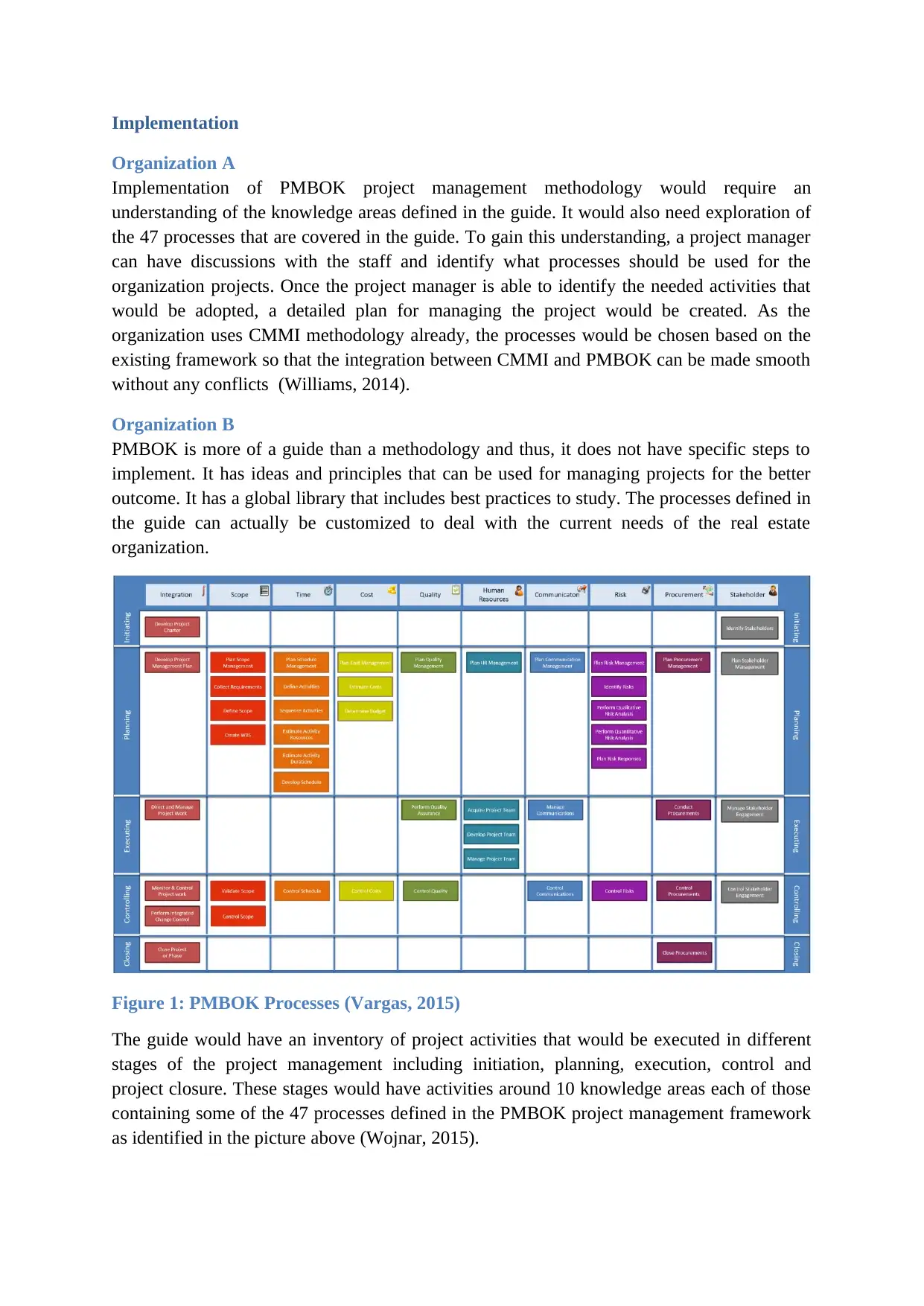
Figure 1: PMBOK Processes (Vargas, 2015)
The guide would have an inventory of project activities that would be executed in different
stages of the project management including initiation, planning, execution, control and
project closure. These stages would have activities around 10 knowledge areas each of those
containing some of the 47 processes defined in the PMBOK project management framework
as identified in the picture above (Wojnar, 2015).
Organization A
Implementation of PMBOK project management methodology would require an
understanding of the knowledge areas defined in the guide. It would also need exploration of
the 47 processes that are covered in the guide. To gain this understanding, a project manager
can have discussions with the staff and identify what processes should be used for the
organization projects. Once the project manager is able to identify the needed activities that
would be adopted, a detailed plan for managing the project would be created. As the
organization uses CMMI methodology already, the processes would be chosen based on the
existing framework so that the integration between CMMI and PMBOK can be made smooth
without any conflicts (Williams, 2014).
Organization B
PMBOK is more of a guide than a methodology and thus, it does not have specific steps to
implement. It has ideas and principles that can be used for managing projects for the better
outcome. It has a global library that includes best practices to study. The processes defined in
the guide can actually be customized to deal with the current needs of the real estate
organization.
Figure 1: PMBOK Processes (Vargas, 2015)
The guide would have an inventory of project activities that would be executed in different
stages of the project management including initiation, planning, execution, control and
project closure. These stages would have activities around 10 knowledge areas each of those
containing some of the 47 processes defined in the PMBOK project management framework
as identified in the picture above (Wojnar, 2015).
Paraphrase This Document
Need a fresh take? Get an instant paraphrase of this document with our AI Paraphraser
Organization C
PRINCE 2 methodology would be implemented in the company with the help of the top
officials of the company including CEO, COO, CFO and VP who would have to approve and
give commitment to extend any help needed to make its adoption a success. The employees
of the company would then be trained on the methodology and its practices. These employees
can include project manager, IT manager, sales staff, operations manager, procurement
manager, and pre-sales staff. Once the training is completed, the employees would be ready
to adopt the management processes defined in the PRINCE 2 framework and they have to be
guided by the project manager (Kirwan, et al., 2008).
While adopting to this new methodology, the company staff would need to follow certain
PRINCE 2 principles such as:
creation of a business case that gives a strategic justification of the project (Saad, et
al., 2012)
Lessons to be taken from the past projects that were similar and had been successful
in achieving the strategic goals of the organization (Siegelaub, 2009)
Project implementation to be divided into manageable stages that are periodically
assessed against the project plan including negotiation, funding, system development,
training and closure (Murray, 2009).
Staff to be made accountable for deliverables and for the control of the project
considering its cost, quality, risks, and time
Tailoring to be done on every project to match the deliverable requirements and
processes to the project objectives and capacities (Siegelaub, 2009).
Issues in Implementation
Organization A
PMBOK adoption and its integration with CMMI methodology would bring up certain
challenges for the IT organization and these include:
Understanding of the methodology could be challenging for the people as it is very
lengthy and need a lot of study
Commitment is needed from the top management as their inputs can help support the
project management methodology adoption as well as establish control over the
projects that are managed using PMBOK
For using the methodology, the staff would bed to create a significant number of
templates and documents for adopting new processing which can consume a lot of
energy as well as time for the staff and thus, can make them resist the adoption
(Rowley, 2013).
As the organization need to use two methodologies without facing a conflict, they
have to be coordinated which would need creation of a suitable infrastructure. This
would require people to be trained on PMBOK that can provide them an
understanding of how it can be used along with CMMI framework (Business
Solutions, Inc., 2015).
PRINCE 2 methodology would be implemented in the company with the help of the top
officials of the company including CEO, COO, CFO and VP who would have to approve and
give commitment to extend any help needed to make its adoption a success. The employees
of the company would then be trained on the methodology and its practices. These employees
can include project manager, IT manager, sales staff, operations manager, procurement
manager, and pre-sales staff. Once the training is completed, the employees would be ready
to adopt the management processes defined in the PRINCE 2 framework and they have to be
guided by the project manager (Kirwan, et al., 2008).
While adopting to this new methodology, the company staff would need to follow certain
PRINCE 2 principles such as:
creation of a business case that gives a strategic justification of the project (Saad, et
al., 2012)
Lessons to be taken from the past projects that were similar and had been successful
in achieving the strategic goals of the organization (Siegelaub, 2009)
Project implementation to be divided into manageable stages that are periodically
assessed against the project plan including negotiation, funding, system development,
training and closure (Murray, 2009).
Staff to be made accountable for deliverables and for the control of the project
considering its cost, quality, risks, and time
Tailoring to be done on every project to match the deliverable requirements and
processes to the project objectives and capacities (Siegelaub, 2009).
Issues in Implementation
Organization A
PMBOK adoption and its integration with CMMI methodology would bring up certain
challenges for the IT organization and these include:
Understanding of the methodology could be challenging for the people as it is very
lengthy and need a lot of study
Commitment is needed from the top management as their inputs can help support the
project management methodology adoption as well as establish control over the
projects that are managed using PMBOK
For using the methodology, the staff would bed to create a significant number of
templates and documents for adopting new processing which can consume a lot of
energy as well as time for the staff and thus, can make them resist the adoption
(Rowley, 2013).
As the organization need to use two methodologies without facing a conflict, they
have to be coordinated which would need creation of a suitable infrastructure. This
would require people to be trained on PMBOK that can provide them an
understanding of how it can be used along with CMMI framework (Business
Solutions, Inc., 2015).
The company may need to use performance metrics for measuring project
performance and two methodologies would have two different sets of such measures
that can be confusing unless they are aligned (Ghosh, et al., 2012).
Organization B
Challenges that Organization B is likely to face with the implementation of the PMBOK
project management are as follows:
Project managers in the company have a tendency to completely adopt to a framework
in which case adoption of PMBOK can become very time consuming and
challenging. Project manager and team need to take a selective approach to adoption
The organization have processes managed effectively and thus, the project manager
may work on the PMBOK guidelines and adopt only the processes that are capable of
making improvements and are appropriate to the company. However, decision on
which process to adopt or which to skip can be challenging with lack of experience of
using PMBOK (Vargas, 2015).
The methodology does have any standard templates that can be used straight for the
company and thus, the team would need to understand the guiding principles to come
up with the templates which needs a buy-in from the staff as well as time for learning
which is another challenge (Siegelaub, 2009).
Organization C
PRINCE 2 adoption in the organization C would bring in following challenges:
PRINCE 2 has the maximum benefit when it is tailored to the company needs.
However, proper tailoring would need the team or project manager to have a good
knowledge of the methodology and probably a high level of training would be needed
to achieve that.
For PRINCE 2 be success in an organization, a specific style of work has to be
adopted by the teams which would need a change in the working culture. This cannot
be easy for employees used to traditional practices and thus, the company can face
resistance from its employees.
A high level of coordination is needed too understand and implement the principles of
the methodology and thus, it is essential to get the buy-in from everyone including the
team and the top management which can be a challenging task
When the company has not been using similar methodology in the past, the
organisation would take time to adopt and the employees would need extensive
practical training which is difficult to achieve before its implementation. Thus, the
teams would have to learn on the go while the methodology has already been adopted
(Turley, 2012)
Certification may be required for some of the team members before the methodology
is completely adoption to ensure that its processes and principles are understood
performance and two methodologies would have two different sets of such measures
that can be confusing unless they are aligned (Ghosh, et al., 2012).
Organization B
Challenges that Organization B is likely to face with the implementation of the PMBOK
project management are as follows:
Project managers in the company have a tendency to completely adopt to a framework
in which case adoption of PMBOK can become very time consuming and
challenging. Project manager and team need to take a selective approach to adoption
The organization have processes managed effectively and thus, the project manager
may work on the PMBOK guidelines and adopt only the processes that are capable of
making improvements and are appropriate to the company. However, decision on
which process to adopt or which to skip can be challenging with lack of experience of
using PMBOK (Vargas, 2015).
The methodology does have any standard templates that can be used straight for the
company and thus, the team would need to understand the guiding principles to come
up with the templates which needs a buy-in from the staff as well as time for learning
which is another challenge (Siegelaub, 2009).
Organization C
PRINCE 2 adoption in the organization C would bring in following challenges:
PRINCE 2 has the maximum benefit when it is tailored to the company needs.
However, proper tailoring would need the team or project manager to have a good
knowledge of the methodology and probably a high level of training would be needed
to achieve that.
For PRINCE 2 be success in an organization, a specific style of work has to be
adopted by the teams which would need a change in the working culture. This cannot
be easy for employees used to traditional practices and thus, the company can face
resistance from its employees.
A high level of coordination is needed too understand and implement the principles of
the methodology and thus, it is essential to get the buy-in from everyone including the
team and the top management which can be a challenging task
When the company has not been using similar methodology in the past, the
organisation would take time to adopt and the employees would need extensive
practical training which is difficult to achieve before its implementation. Thus, the
teams would have to learn on the go while the methodology has already been adopted
(Turley, 2012)
Certification may be required for some of the team members before the methodology
is completely adoption to ensure that its processes and principles are understood
⊘ This is a preview!⊘
Do you want full access?
Subscribe today to unlock all pages.
Trusted by 1+ million students worldwide
sufficiently by at least some who can guide the teams into implementation. This can
be time consuming as well as would add the cost to the company
The methodology does not have specific provisions for knowledge and procurement
management that may be needed by the company (Saad, et al., 2012).
Addressing Difficulties
Organization A
The organization would require an infrastructure that supports the new processes and brings
improvement with CMMI also used in the system. The common roles of the staff using both
methodology have to be determined so that there are no resource conflicts when the new
methodology is getting implemented (Fritzsche & Keil, 2007).
To overcome the challenges discussed in the previous section, following steps can be taken
by the company:
A strategic direction should be provided by the top management to the team to make
way for improvement
Project manager and some of the team members can be trained on the methodology so
that they could be mage facilitators and coordinators who can help the team bring
good results
A temporary person or a consultant who is an expert of the methodology can be hired
to help n the implementation of the methodology as well as in the integration of the
same with CMMI (Valek, 2014).
Organization B
The organization B can use following steps to overcome the challenges:
A project management consultant can be involved to provide guidance to the
company for an effective adoption of the new methodology
The key personnel or team members of the company can be provide with extensive
training by project management consultants to make them prepared for the changes
Instead of adopting the complete methodology at a time, a phased approach may be
taken such that a few processes are only implemented in one phase and only after the
team gets used to them, the next step is taken to include more process such that there
is a gradual improvement (Ghosh, et al., 2012).
Organization C
Following steps can be taken to overcome challenges that are faced by the organization C:
be time consuming as well as would add the cost to the company
The methodology does not have specific provisions for knowledge and procurement
management that may be needed by the company (Saad, et al., 2012).
Addressing Difficulties
Organization A
The organization would require an infrastructure that supports the new processes and brings
improvement with CMMI also used in the system. The common roles of the staff using both
methodology have to be determined so that there are no resource conflicts when the new
methodology is getting implemented (Fritzsche & Keil, 2007).
To overcome the challenges discussed in the previous section, following steps can be taken
by the company:
A strategic direction should be provided by the top management to the team to make
way for improvement
Project manager and some of the team members can be trained on the methodology so
that they could be mage facilitators and coordinators who can help the team bring
good results
A temporary person or a consultant who is an expert of the methodology can be hired
to help n the implementation of the methodology as well as in the integration of the
same with CMMI (Valek, 2014).
Organization B
The organization B can use following steps to overcome the challenges:
A project management consultant can be involved to provide guidance to the
company for an effective adoption of the new methodology
The key personnel or team members of the company can be provide with extensive
training by project management consultants to make them prepared for the changes
Instead of adopting the complete methodology at a time, a phased approach may be
taken such that a few processes are only implemented in one phase and only after the
team gets used to them, the next step is taken to include more process such that there
is a gradual improvement (Ghosh, et al., 2012).
Organization C
Following steps can be taken to overcome challenges that are faced by the organization C:
Paraphrase This Document
Need a fresh take? Get an instant paraphrase of this document with our AI Paraphraser
Employees must be given an extensive training on the principles of PRINCE 2 and
some may even be certified on the framework
A certified consultant may be hired to execute the projects in the initial days of
adoption
Clear guidelines should be provided to the project team while adoption highlighting
the changes from the previous practice
The PRINCE 2 practices can be tailored to the needs of the company to get the best
results (Valek, 2014).
Benefits
Organization A
PMBOK implementation in the company would give following benefits to the organization
A:
More formal and standard practices would bring improvement in the company
performance
An organized way of planning would allow the company to establish monitoring
systems such that project progress can be tracked
As processes that are used for managing projects would become transparent and
everything would be documented, the organization would be able to develop a
knowledge base which would be beneficial for the company in the long run
CMMI practices may have some drawbacks that would be filled by the PMBOK
processes so that company can bring improvements (Tutorialspoint, 2015)
Organization B
PMBOK implementation in the company would give following benefits to the organization
B:
More formal and standard practices would bring improvement in the company
performance
some may even be certified on the framework
A certified consultant may be hired to execute the projects in the initial days of
adoption
Clear guidelines should be provided to the project team while adoption highlighting
the changes from the previous practice
The PRINCE 2 practices can be tailored to the needs of the company to get the best
results (Valek, 2014).
Benefits
Organization A
PMBOK implementation in the company would give following benefits to the organization
A:
More formal and standard practices would bring improvement in the company
performance
An organized way of planning would allow the company to establish monitoring
systems such that project progress can be tracked
As processes that are used for managing projects would become transparent and
everything would be documented, the organization would be able to develop a
knowledge base which would be beneficial for the company in the long run
CMMI practices may have some drawbacks that would be filled by the PMBOK
processes so that company can bring improvements (Tutorialspoint, 2015)
Organization B
PMBOK implementation in the company would give following benefits to the organization
B:
More formal and standard practices would bring improvement in the company
performance
A detailed guidance given by the methodology would allow for proper documentation
of the processes and this would enhance the learning of the staff
The system would have standard processes and would become more transparent
With the use of proper communication practices, the coordination in the project
management teams would improve (Jarocki, 2014).
Organization C
PRINCE 2 implementation in the company would give following benefits to the organization
c:
PRINCE 2 is a highly flexible project management methodology as different
companies can operate in different ways and thus, this would provide the company an
opportunity to tailor the methodology t best suit its requirements.
Lessons learned would be recorded such that the best practices understood from
project experiences are documented and can be used on forthcoming projects by the
company (Measey, 2014).
Conclusion
The aim of this paper was to explore how the project management methodology is selected an
implemented in organizations. The case of thee organizations including an IT company, a
construction organization and a finance company was taken. Two of these companies were
suggested to use PMBOK while one would use PRINCE 2. The underlying difficulties that
would be caused in each scenarios were discussed and solutions were recommended. It was
found that PMBOK adoption can be made success with phased adoption wile PRINCE 2
needs an extensive training to be given to core team before adoption. Both methodologies
have their own benefits and challenges and thus, can be selected according to the
organizational differences.
References
Business Solutions, Inc., 2015. What is the Capability Maturity Model? (CMM). [Online]
Available at: http://www.selectbs.com/process-maturity/what-is-the-capability-maturity-
model
Court, R., 2006. An Introduction to the PRINCE2 project methodology , s.l.: FTC Kaplan ;
CIMA.
of the processes and this would enhance the learning of the staff
The system would have standard processes and would become more transparent
With the use of proper communication practices, the coordination in the project
management teams would improve (Jarocki, 2014).
Organization C
PRINCE 2 implementation in the company would give following benefits to the organization
c:
PRINCE 2 is a highly flexible project management methodology as different
companies can operate in different ways and thus, this would provide the company an
opportunity to tailor the methodology t best suit its requirements.
Lessons learned would be recorded such that the best practices understood from
project experiences are documented and can be used on forthcoming projects by the
company (Measey, 2014).
Conclusion
The aim of this paper was to explore how the project management methodology is selected an
implemented in organizations. The case of thee organizations including an IT company, a
construction organization and a finance company was taken. Two of these companies were
suggested to use PMBOK while one would use PRINCE 2. The underlying difficulties that
would be caused in each scenarios were discussed and solutions were recommended. It was
found that PMBOK adoption can be made success with phased adoption wile PRINCE 2
needs an extensive training to be given to core team before adoption. Both methodologies
have their own benefits and challenges and thus, can be selected according to the
organizational differences.
References
Business Solutions, Inc., 2015. What is the Capability Maturity Model? (CMM). [Online]
Available at: http://www.selectbs.com/process-maturity/what-is-the-capability-maturity-
model
Court, R., 2006. An Introduction to the PRINCE2 project methodology , s.l.: FTC Kaplan ;
CIMA.
⊘ This is a preview!⊘
Do you want full access?
Subscribe today to unlock all pages.
Trusted by 1+ million students worldwide
Ferguson, C., 2011. PRINCE 2 for Small Scale Projects, s.l.: Novare Consulting.
Fritzsche, M. & Keil, P., 2007. Agile Methods and CMMI:Compatibility or Conflict?. e-
Informatica Software Engineering Journal, pp. 9-25.
Ghosh, S. et al., 2012. Enhance PMBOK® by Comparing it with P2M, ICB, PRINCE2, APM
and Scrum Project Management Standards. PM World Today, XIV( I), pp. 1-77.
Hinde, D., 2012. PRINCE2 Study Guide. s.l.:Wiley Publications.
Jarocki, T. L., 2014. ONE SOLUTION FOR PROJECT SUCCESS: PROJECT AND
CHANGE MANAGEMENT IN THE PMBOK GUIDE, s.l.: Emergence One International, Ltd.
Karaman, E. & Kurt, M., 2015. Comparison of project management methodologies: prince 2
versus PMBOK for it projects. Int. Journal of Applied Sciences and Engineering Research,
4(4), pp. 572-574.
Kirwan, P., Siviy, J., Marino, L. & Morley, J., 2008. Implementation Challenges in a
Multimodel Environment, s.l.: Carnegie Mellon University. .
Measey, P., 2014. Agile and PRINCE2® And how they integrate, s.l.: BCS.
Murray, A., 2009. PRINCE2® and governance, s.l.: Outperform UK Ltd.
PMI, 2010. The Value of Project Management , s.l.: PMI.
Rowley, J., 2013. 5th Edition PMBOK® Guide—Chapter 10: Communication Requirements
Analysis, s.l.: 4Square.
Saad, S. et al., 2012. A Case Study on Implementation of Prince2 Methodology in
Automotive Industry in Malaysia (A Preliminary Study). International Journal of Scientific
& Engineering Research, 3(4), pp. 1-24.
Siegelaub, J. M., 2009. How PRINCE2® Can Complement the PMBOK® Guide and Your
PMP®, s.l.: Impact Strategies LLC.
Turley, F., 2012. The PRINCE2 Foundation Training Manual. s.l.:MPlaza.
Tutorialspoint, 2015. CMMI Maturity Levels. [Online]
Available at: http://www.tutorialspoint.com/cmmi/cmmi-maturity-levels.htm
Valek, L., 2014. The Time Bank implementation and governance: Is PRINCE 2 suitable?, s.l.:
University of Hradec Kralove.
Vargas, R., 2015. PMBOK Guide 5the Edition, s.l.: PMI.
Williams, M. R., 2014. Project Human Resource Management : Overview of PMBOK
Basics, s.l.: Illinois State University.
Fritzsche, M. & Keil, P., 2007. Agile Methods and CMMI:Compatibility or Conflict?. e-
Informatica Software Engineering Journal, pp. 9-25.
Ghosh, S. et al., 2012. Enhance PMBOK® by Comparing it with P2M, ICB, PRINCE2, APM
and Scrum Project Management Standards. PM World Today, XIV( I), pp. 1-77.
Hinde, D., 2012. PRINCE2 Study Guide. s.l.:Wiley Publications.
Jarocki, T. L., 2014. ONE SOLUTION FOR PROJECT SUCCESS: PROJECT AND
CHANGE MANAGEMENT IN THE PMBOK GUIDE, s.l.: Emergence One International, Ltd.
Karaman, E. & Kurt, M., 2015. Comparison of project management methodologies: prince 2
versus PMBOK for it projects. Int. Journal of Applied Sciences and Engineering Research,
4(4), pp. 572-574.
Kirwan, P., Siviy, J., Marino, L. & Morley, J., 2008. Implementation Challenges in a
Multimodel Environment, s.l.: Carnegie Mellon University. .
Measey, P., 2014. Agile and PRINCE2® And how they integrate, s.l.: BCS.
Murray, A., 2009. PRINCE2® and governance, s.l.: Outperform UK Ltd.
PMI, 2010. The Value of Project Management , s.l.: PMI.
Rowley, J., 2013. 5th Edition PMBOK® Guide—Chapter 10: Communication Requirements
Analysis, s.l.: 4Square.
Saad, S. et al., 2012. A Case Study on Implementation of Prince2 Methodology in
Automotive Industry in Malaysia (A Preliminary Study). International Journal of Scientific
& Engineering Research, 3(4), pp. 1-24.
Siegelaub, J. M., 2009. How PRINCE2® Can Complement the PMBOK® Guide and Your
PMP®, s.l.: Impact Strategies LLC.
Turley, F., 2012. The PRINCE2 Foundation Training Manual. s.l.:MPlaza.
Tutorialspoint, 2015. CMMI Maturity Levels. [Online]
Available at: http://www.tutorialspoint.com/cmmi/cmmi-maturity-levels.htm
Valek, L., 2014. The Time Bank implementation and governance: Is PRINCE 2 suitable?, s.l.:
University of Hradec Kralove.
Vargas, R., 2015. PMBOK Guide 5the Edition, s.l.: PMI.
Williams, M. R., 2014. Project Human Resource Management : Overview of PMBOK
Basics, s.l.: Illinois State University.
Paraphrase This Document
Need a fresh take? Get an instant paraphrase of this document with our AI Paraphraser

Wojnar, K., 2015. Comparison between ISO 21500 and PMBOK® Guide 5th Edition. :
Theoretical background and practical usage of ISO 21500 in IT projects., s.l.: ISO project
Committee.
Theoretical background and practical usage of ISO 21500 in IT projects., s.l.: ISO project
Committee.

1 out of 11


Related Documents


Your All-in-One AI-Powered Toolkit for Academic Success.
+13062052269
info@desklib.com
Available 24*7 on WhatsApp / Email
![[object Object]](/_next/static/media/star-bottom.7253800d.svg)
Unlock your academic potential
Copyright © 2020–2026 A2Z Services. All Rights Reserved. Developed and managed by ZUCOL.