Project Stakeholder Management: Literature Review and Analysis Report
VerifiedAdded on 2023/06/04
|15
|3593
|334
Report
AI Summary
This report presents a comprehensive literature review on project stakeholder management, focusing on both theory and practice. The review begins with an introduction to the concept of stakeholder management, tracing its origins and evolution within organizational studies, including its application to construction projects. It explores various stakeholder management theories, such as stakeholder theory, corporate strategy, systems theory, and corporate social accountability, examining their influence on project outcomes. The report delves into the stages of stakeholder management, highlighting the importance of identifying and managing different stakeholder groups, including project teams, top management, and external parties. It also examines the cultural aspects of stakeholder management, emphasizing the need for effective communication and adaptation to cultural differences. The review analyzes the construction industry's adoption of stakeholder management practices and their impact on project success. The report references key literature and models, providing a critical analysis of the subject matter.
Running Head: PROJECT STAKEHOLDER MANAGEMENT
PROJECT STAKEHOLDER MANAGEMENT: THEORY AND
PRACTICE
Student ID:
Name of the University
Authors Note
PROJECT STAKEHOLDER MANAGEMENT: THEORY AND
PRACTICE
Student ID:
Name of the University
Authors Note

Paraphrase This Document
Need a fresh take? Get an instant paraphrase of this document with our AI Paraphraser
1PROJECT STAKEHOLDER MANAGEMENT
Table of Contents
1.0 Introduction..........................................................................................................................2
2.0 Literature review..................................................................................................................2
2.1 Background of stakeholder management and different projects......................................2
2.1.1 Concept of stakeholder management.........................................................................2
2.1.2 Stages of stakeholder management............................................................................3
2.1.3 Project stakeholders...................................................................................................4
2.1.4 Culture of stakeholder management..........................................................................4
2.3 Stakeholder theory............................................................................................................5
2.4 Stakeholder management theory......................................................................................5
2.4.1 Corporate strategy......................................................................................................7
2.4.2 Systems theory...........................................................................................................7
2.4.3 Corporate social accountability.................................................................................7
2.5 Construction industry.......................................................................................................7
2.6 Management of project.....................................................................................................9
2.7 Tools and methods used in project management..............................................................9
3.0 Conclusion..........................................................................................................................10
Reference list............................................................................................................................12
Table of Contents
1.0 Introduction..........................................................................................................................2
2.0 Literature review..................................................................................................................2
2.1 Background of stakeholder management and different projects......................................2
2.1.1 Concept of stakeholder management.........................................................................2
2.1.2 Stages of stakeholder management............................................................................3
2.1.3 Project stakeholders...................................................................................................4
2.1.4 Culture of stakeholder management..........................................................................4
2.3 Stakeholder theory............................................................................................................5
2.4 Stakeholder management theory......................................................................................5
2.4.1 Corporate strategy......................................................................................................7
2.4.2 Systems theory...........................................................................................................7
2.4.3 Corporate social accountability.................................................................................7
2.5 Construction industry.......................................................................................................7
2.6 Management of project.....................................................................................................9
2.7 Tools and methods used in project management..............................................................9
3.0 Conclusion..........................................................................................................................10
Reference list............................................................................................................................12
2PROJECT STAKEHOLDER MANAGEMENT
1.0 Introduction
The complicated and unpredictable nature of large construction projects required an
effective system of stakeholder management accommodating the conflicting interest of the
stakeholders. However, an earlier review of the project stakeholder management focused
mostly on the comparatively small-scale projects. A sequential review of the stakeholder
management studies in accordance with major constructions project seemed to be lacking in
the previous studies.
Therefore, based on an evaluation of stakeholder management associated with each of
the stage carried out by the project management, the study in the review provides a critical
analysis of the project stakeholder’s management. In addition to this, the review of the
literature highlights the stakeholder management theories and models that exist to address the
assumptions underlying these frameworks of the theories.
2.0 Literature review
2.1 Background of stakeholder management and different projects
2.1.1 Concept of stakeholder management
Stanford Institute of research initially brought in the concept of stakeholders to the
field of management in the year 1963, wherein the stakeholders were illustrated as the groups
crucial for the survival of the organisation (Mok, Shen & Yang, 2015). Following, this trend,
the notion of stakeholder deviated into four-major direction considering the organisational
studies. They are commercial planning, system theory, corporate social accountability and
organisational model. In this context, Eskerod, Huemann & Ringhofer, (2015) stated that
strategic management a stakeholder approach is broadly known as the breakthrough in the
origination of stakeholder management research. In support to this statement, Joslin & Müller
(2015) defined stakeholders as the individuals who have the ability to be influenced by the
1.0 Introduction
The complicated and unpredictable nature of large construction projects required an
effective system of stakeholder management accommodating the conflicting interest of the
stakeholders. However, an earlier review of the project stakeholder management focused
mostly on the comparatively small-scale projects. A sequential review of the stakeholder
management studies in accordance with major constructions project seemed to be lacking in
the previous studies.
Therefore, based on an evaluation of stakeholder management associated with each of
the stage carried out by the project management, the study in the review provides a critical
analysis of the project stakeholder’s management. In addition to this, the review of the
literature highlights the stakeholder management theories and models that exist to address the
assumptions underlying these frameworks of the theories.
2.0 Literature review
2.1 Background of stakeholder management and different projects
2.1.1 Concept of stakeholder management
Stanford Institute of research initially brought in the concept of stakeholders to the
field of management in the year 1963, wherein the stakeholders were illustrated as the groups
crucial for the survival of the organisation (Mok, Shen & Yang, 2015). Following, this trend,
the notion of stakeholder deviated into four-major direction considering the organisational
studies. They are commercial planning, system theory, corporate social accountability and
organisational model. In this context, Eskerod, Huemann & Ringhofer, (2015) stated that
strategic management a stakeholder approach is broadly known as the breakthrough in the
origination of stakeholder management research. In support to this statement, Joslin & Müller
(2015) defined stakeholders as the individuals who have the ability to be influenced by the
⊘ This is a preview!⊘
Do you want full access?
Subscribe today to unlock all pages.

Trusted by 1+ million students worldwide
3PROJECT STAKEHOLDER MANAGEMENT
accomplishment of the organisational goal. After the publication of this fictional evidence,
various insights about stakeholder administration came into the field such as a descriptive,
instrumental and normative process of categorizing theory of stakeholder. On the contrary,
Chih & Zwikael (2015) illustrated the inclusive establishment of stakeholder management
through a demonstration of the stakeholder literature chart. Again, influenced by the
stakeholder research of stakeholder management, scholars of construction management have
dedicated their wide-ranging efforts if research on managing the project of construction in the
current years.
Hornstein (2015) states that, the effective and formal process of stakeholder
management is critical in obtaining the needs of the stakeholders and the satisfaction that is
the essential factor for the success of the project. In this context, the constructions
organisation within developed countries has successfully embraced stakeholder management
as a minor project management capability to solve the projects. Eventually, these construction
projects established appropriate approaches for enhancing the delivery of the project. In this
context, Pinto & Winch, (2016) states that there are several studies that are associated with
the failures of the projects due to the poor stakeholder management and ineffective
performance of the stakeholders, or may be due to lack of formal process of stakeholder
management in several countries.
2.1.2 Stages of stakeholder management
A project is successful only if it achieves its goals and meets the assumptions of the
stakeholders. As stated by Fernandes, Ward & Araújo (2015), the project promoter acts as the
administration within the organisation with a superior authority to delegate resources and
apply the decision about the project. It is the customers, suppliers and the management
regulator who acts as the stakeholders within a project. The management of the stakeholder
takes place in several phases.
accomplishment of the organisational goal. After the publication of this fictional evidence,
various insights about stakeholder administration came into the field such as a descriptive,
instrumental and normative process of categorizing theory of stakeholder. On the contrary,
Chih & Zwikael (2015) illustrated the inclusive establishment of stakeholder management
through a demonstration of the stakeholder literature chart. Again, influenced by the
stakeholder research of stakeholder management, scholars of construction management have
dedicated their wide-ranging efforts if research on managing the project of construction in the
current years.
Hornstein (2015) states that, the effective and formal process of stakeholder
management is critical in obtaining the needs of the stakeholders and the satisfaction that is
the essential factor for the success of the project. In this context, the constructions
organisation within developed countries has successfully embraced stakeholder management
as a minor project management capability to solve the projects. Eventually, these construction
projects established appropriate approaches for enhancing the delivery of the project. In this
context, Pinto & Winch, (2016) states that there are several studies that are associated with
the failures of the projects due to the poor stakeholder management and ineffective
performance of the stakeholders, or may be due to lack of formal process of stakeholder
management in several countries.
2.1.2 Stages of stakeholder management
A project is successful only if it achieves its goals and meets the assumptions of the
stakeholders. As stated by Fernandes, Ward & Araújo (2015), the project promoter acts as the
administration within the organisation with a superior authority to delegate resources and
apply the decision about the project. It is the customers, suppliers and the management
regulator who acts as the stakeholders within a project. The management of the stakeholder
takes place in several phases.
Paraphrase This Document
Need a fresh take? Get an instant paraphrase of this document with our AI Paraphraser
4PROJECT STAKEHOLDER MANAGEMENT
Firstly, the group of stakeholders that the project managers needs to deal by ensuring
that there will be a complicated job for guiding their project throughout the lifecycles of the
project. In this context, issues with any of the group members may deviate from the project.
Secondly, the project managers need to deal with the external people to manage the
organisation as well as the internal environment. For instance, these activities are related to
deal with the suppliers who are generally late in production crucial parts within the project
that may blow up the schedule of the project. To resolve the issue, project managers may
have little or no direct authority over the individuals.
2.1.3 Project stakeholders
Amongst the project management, the top management generally includes the chief of
the organisation and divisional supervisors along with the commercial functioning
committee. These people are provided with the authority to manage the strategy and
development of the organisation.
The project team consists of the people who are committed to the project or hired on
an impermanent basis. Badewi (2016) stated that being a manager of the project, the
individual is required to provide headship, direct the team members and backing them in
accomplishing the task. In support to this statement, Loosemore & Cheung (2015) states that
working in collaboration with the team members will help in solving the issues and will help
in developing a rapport with the team.
2.1.4 Culture of stakeholder management
Head et al., (2015) states that stakeholders do not have a shared culture, project
management needs to adapt to the organisation and working operations in order to deal with
the cultural variances. Therefore, communication is the most representative of managing the
culture. The project managers face the cultural differences while communicating in different
Firstly, the group of stakeholders that the project managers needs to deal by ensuring
that there will be a complicated job for guiding their project throughout the lifecycles of the
project. In this context, issues with any of the group members may deviate from the project.
Secondly, the project managers need to deal with the external people to manage the
organisation as well as the internal environment. For instance, these activities are related to
deal with the suppliers who are generally late in production crucial parts within the project
that may blow up the schedule of the project. To resolve the issue, project managers may
have little or no direct authority over the individuals.
2.1.3 Project stakeholders
Amongst the project management, the top management generally includes the chief of
the organisation and divisional supervisors along with the commercial functioning
committee. These people are provided with the authority to manage the strategy and
development of the organisation.
The project team consists of the people who are committed to the project or hired on
an impermanent basis. Badewi (2016) stated that being a manager of the project, the
individual is required to provide headship, direct the team members and backing them in
accomplishing the task. In support to this statement, Loosemore & Cheung (2015) states that
working in collaboration with the team members will help in solving the issues and will help
in developing a rapport with the team.
2.1.4 Culture of stakeholder management
Head et al., (2015) states that stakeholders do not have a shared culture, project
management needs to adapt to the organisation and working operations in order to deal with
the cultural variances. Therefore, communication is the most representative of managing the
culture. The project managers face the cultural differences while communicating in different
5PROJECT STAKEHOLDER MANAGEMENT
languages. Problems may take place when project stakeholders do not share the similar
language, which may slow down the flow of communication and delivery of the project as
well.
2.3 Stakeholder theory
Interest in stakeholders has extensively increased since Freeman's (1984) work
Strategic management has been publishing. Eventually, more than 100 articles and journals
have been published on the use of stakeholder theory, with many more published since that
period. The notion of stakeholder is increasingly gaining the attention within academic texts,
media publication as well as the government publication.
However, Head & Alford (2015) states that Stakeholder theory is the model of
organisational management and ethics. The theory opposes the free market notion of
shareholder capitalisation and promotes the maximisation of the stakeholders. Bredillet,
Tywoniak & Dwivedula (2015) counter-argues the statements stating that for several years’
economies have been illustrating the purpose of business as a tool to capitalise on the
stakeholders. Greco, Sciulli & D’Onza (2015), stated that this is misunderstanding, as a law
has not defined any legal purpose of the business to capitalise on the stakeholders.
2.4 Stakeholder management theory
Construction projects are usually innovative in nature in bringing together do9ffernet
and conflicting interest. In this context, different researchers have illustrated and categorised
the stakeholders of the project in a different way. In this theory, Miller et al., (2015) state
that, construction stakeholders are appointed with the responsibility to manage the
stakeholder such as owners, project manager, users as well as facility managers, employees
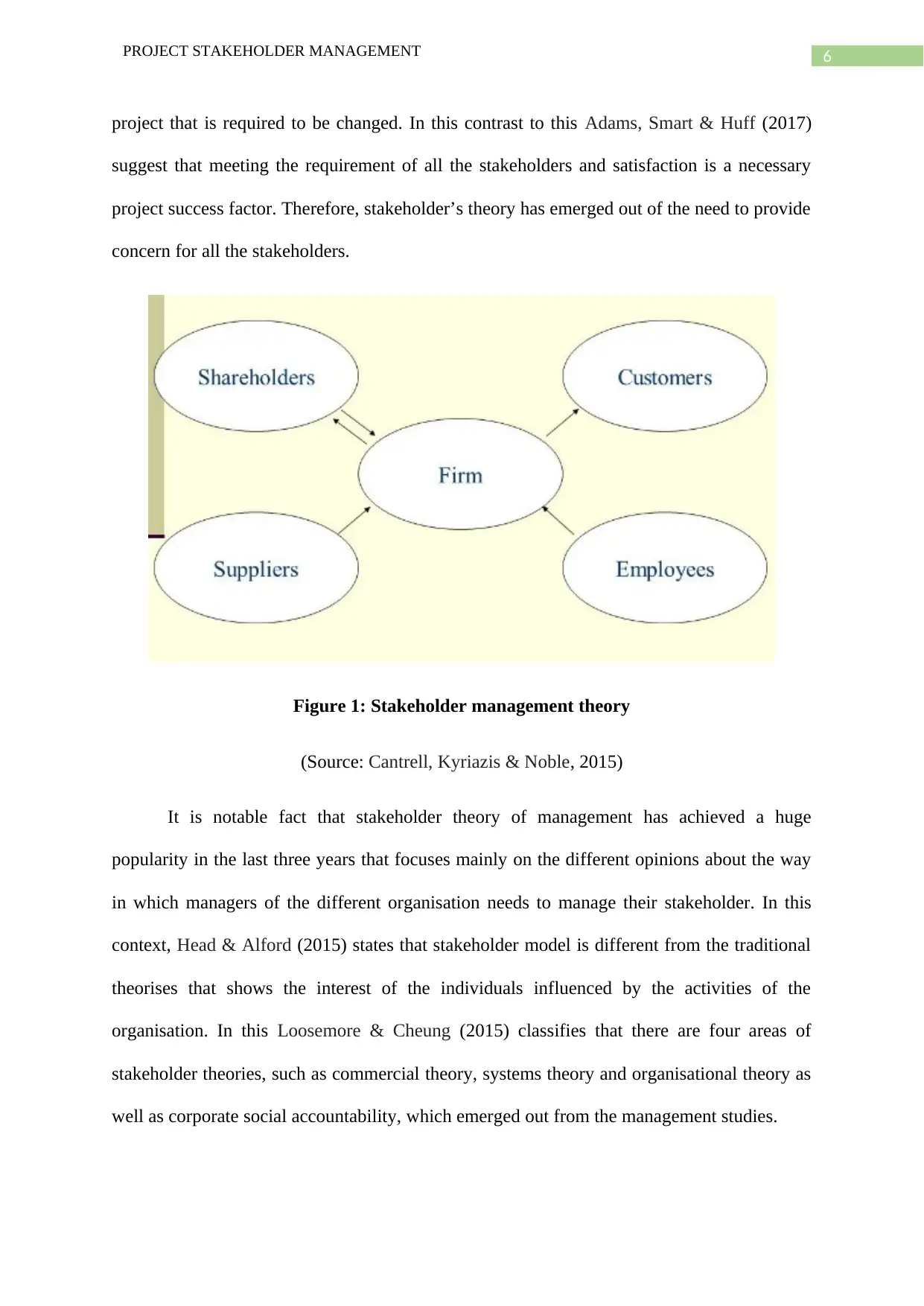
and the customers. In this context, Cantrell, Kyriazis & Noble (2015) commented that project
managers have been always represented the customers as the major stakeholders of the
languages. Problems may take place when project stakeholders do not share the similar
language, which may slow down the flow of communication and delivery of the project as
well.
2.3 Stakeholder theory
Interest in stakeholders has extensively increased since Freeman's (1984) work
Strategic management has been publishing. Eventually, more than 100 articles and journals
have been published on the use of stakeholder theory, with many more published since that
period. The notion of stakeholder is increasingly gaining the attention within academic texts,
media publication as well as the government publication.
However, Head & Alford (2015) states that Stakeholder theory is the model of
organisational management and ethics. The theory opposes the free market notion of
shareholder capitalisation and promotes the maximisation of the stakeholders. Bredillet,
Tywoniak & Dwivedula (2015) counter-argues the statements stating that for several years’
economies have been illustrating the purpose of business as a tool to capitalise on the
stakeholders. Greco, Sciulli & D’Onza (2015), stated that this is misunderstanding, as a law
has not defined any legal purpose of the business to capitalise on the stakeholders.
2.4 Stakeholder management theory
Construction projects are usually innovative in nature in bringing together do9ffernet
and conflicting interest. In this context, different researchers have illustrated and categorised
the stakeholders of the project in a different way. In this theory, Miller et al., (2015) state
that, construction stakeholders are appointed with the responsibility to manage the
stakeholder such as owners, project manager, users as well as facility managers, employees
and the customers. In this context, Cantrell, Kyriazis & Noble (2015) commented that project
managers have been always represented the customers as the major stakeholders of the
⊘ This is a preview!⊘
Do you want full access?
Subscribe today to unlock all pages.
Trusted by 1+ million students worldwide
6PROJECT STAKEHOLDER MANAGEMENT
project that is required to be changed. In this contrast to this Adams, Smart & Huff (2017)
suggest that meeting the requirement of all the stakeholders and satisfaction is a necessary
project success factor. Therefore, stakeholder’s theory has emerged out of the need to provide
concern for all the stakeholders.
Figure 1: Stakeholder management theory
(Source: Cantrell, Kyriazis & Noble, 2015)
It is notable fact that stakeholder theory of management has achieved a huge
popularity in the last three years that focuses mainly on the different opinions about the way
in which managers of the different organisation needs to manage their stakeholder. In this
context, Head & Alford (2015) states that stakeholder model is different from the traditional
theorises that shows the interest of the individuals influenced by the activities of the
organisation. In this Loosemore & Cheung (2015) classifies that there are four areas of
stakeholder theories, such as commercial theory, systems theory and organisational theory as
well as corporate social accountability, which emerged out from the management studies.
project that is required to be changed. In this contrast to this Adams, Smart & Huff (2017)
suggest that meeting the requirement of all the stakeholders and satisfaction is a necessary
project success factor. Therefore, stakeholder’s theory has emerged out of the need to provide
concern for all the stakeholders.
Figure 1: Stakeholder management theory
(Source: Cantrell, Kyriazis & Noble, 2015)
It is notable fact that stakeholder theory of management has achieved a huge
popularity in the last three years that focuses mainly on the different opinions about the way
in which managers of the different organisation needs to manage their stakeholder. In this
context, Head & Alford (2015) states that stakeholder model is different from the traditional
theorises that shows the interest of the individuals influenced by the activities of the
organisation. In this Loosemore & Cheung (2015) classifies that there are four areas of
stakeholder theories, such as commercial theory, systems theory and organisational theory as
well as corporate social accountability, which emerged out from the management studies.
Paraphrase This Document
Need a fresh take? Get an instant paraphrase of this document with our AI Paraphraser
7PROJECT STAKEHOLDER MANAGEMENT
2.4.1 Corporate strategy
The literature recommends that researchers contradicted for rejection of the
stakeholder theory in a classic book of commercial strategy, as it represented objectives and
accountabilities as synonyms. This part was a fight for sustaining the stakeholder theory. The
theory depicted that the importance of the stakeholder will decline since the business was
going to run for the sake of the other stakeholders associated with the business.
2.4.2 Systems theory
This theory contributed to the establishment of the theory of stakeholder. In this
context, Loosemore & Cheung (2015) contradicted for the participation of stakeholder within
the system, this is because scholars suggested that stakeholder’s communication and
assistance will help in mitigating the social issues,
2.4.3 Corporate social accountability
Many researchers became highly concerned with the concept of corporate social
accountability. According to Dobele et al., (2014), corporate social responsibility is the
approach of business that helps to contribute towards the sustainable growth of the business
by offering financial, social and ecological advantages for all the stakeholders within the
project and organisation. However, the concept of CSR has several illustration and practices.
2.5 Construction industry
The nature and results of the activities carried out within contributions industry are
highly significant for several reasons. These industries contribute to the country’s socio-
economic development and provisions of the physical set up for the required productivity and
health and civic accountabilities. However, Yang & Zou (2014) states that the industry of
construction contributes potentially to the gross domestic product of a country. In this context
Hörisch et al., (2014) suggested that comparatively low productivity of UK’s construction
2.4.1 Corporate strategy
The literature recommends that researchers contradicted for rejection of the
stakeholder theory in a classic book of commercial strategy, as it represented objectives and
accountabilities as synonyms. This part was a fight for sustaining the stakeholder theory. The
theory depicted that the importance of the stakeholder will decline since the business was
going to run for the sake of the other stakeholders associated with the business.
2.4.2 Systems theory
This theory contributed to the establishment of the theory of stakeholder. In this
context, Loosemore & Cheung (2015) contradicted for the participation of stakeholder within
the system, this is because scholars suggested that stakeholder’s communication and
assistance will help in mitigating the social issues,
2.4.3 Corporate social accountability
Many researchers became highly concerned with the concept of corporate social
accountability. According to Dobele et al., (2014), corporate social responsibility is the
approach of business that helps to contribute towards the sustainable growth of the business
by offering financial, social and ecological advantages for all the stakeholders within the
project and organisation. However, the concept of CSR has several illustration and practices.
2.5 Construction industry
The nature and results of the activities carried out within contributions industry are
highly significant for several reasons. These industries contribute to the country’s socio-
economic development and provisions of the physical set up for the required productivity and
health and civic accountabilities. However, Yang & Zou (2014) states that the industry of
construction contributes potentially to the gross domestic product of a country. In this context
Hörisch et al., (2014) suggested that comparatively low productivity of UK’s construction
8PROJECT STAKEHOLDER MANAGEMENT
industry consistently attracted the attention of the government. Similar to this, in South
Africa, the low performance of the construction industry and international resection was a
major issue. It was seen that these countries contribute almost 5-10% of the GDP amongst all
the countries. Therefore, the construction industry is the driver of growth amongst all the
other sectors (Hornstein, 2015). This is the reason that all the project management and
stakeholder management practices are being undertaken by construction industry mostly.
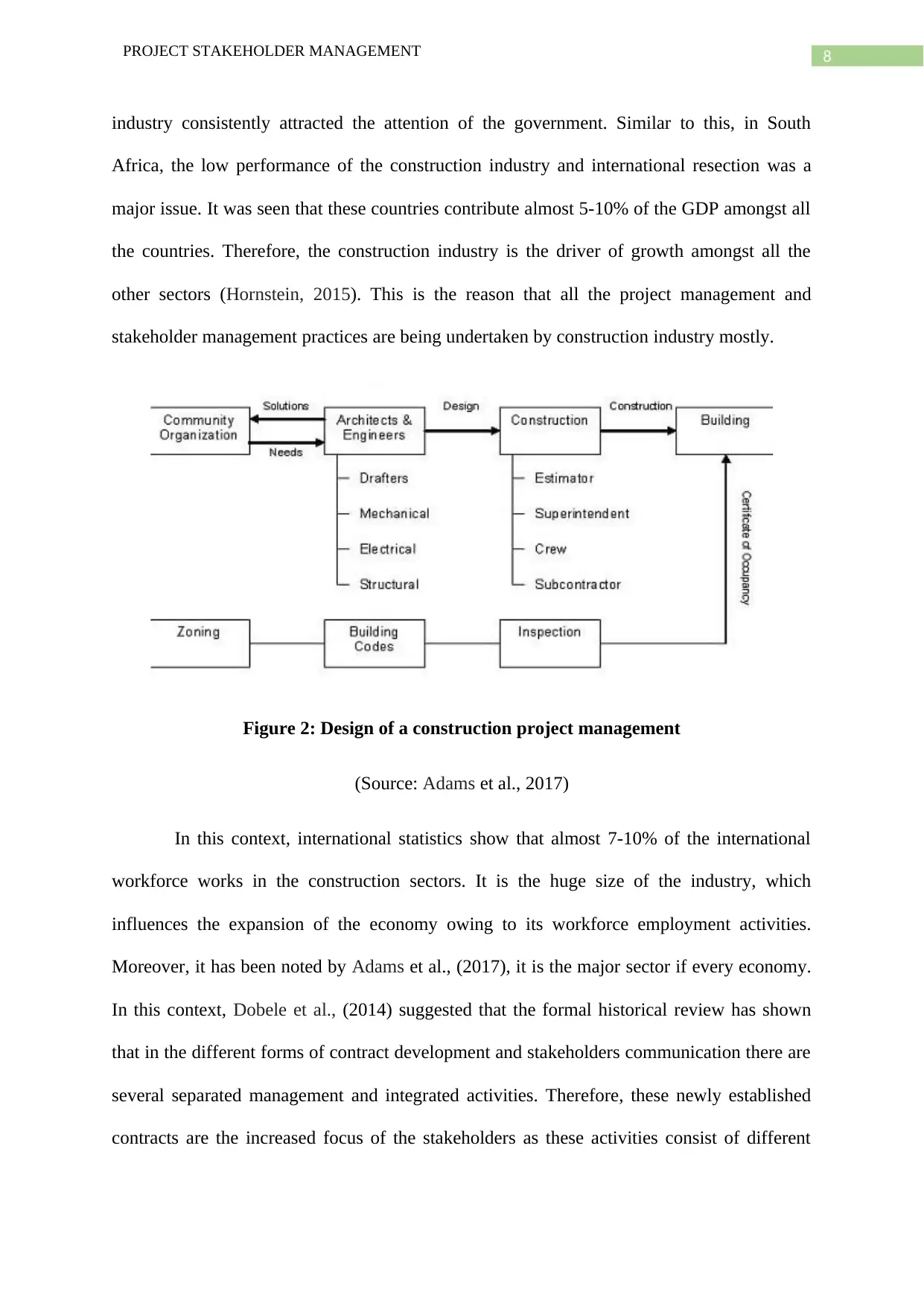
Figure 2: Design of a construction project management
(Source: Adams et al., 2017)
In this context, international statistics show that almost 7-10% of the international
workforce works in the construction sectors. It is the huge size of the industry, which
influences the expansion of the economy owing to its workforce employment activities.
Moreover, it has been noted by Adams et al., (2017), it is the major sector if every economy.
In this context, Dobele et al., (2014) suggested that the formal historical review has shown
that in the different forms of contract development and stakeholders communication there are
several separated management and integrated activities. Therefore, these newly established
contracts are the increased focus of the stakeholders as these activities consist of different
industry consistently attracted the attention of the government. Similar to this, in South
Africa, the low performance of the construction industry and international resection was a
major issue. It was seen that these countries contribute almost 5-10% of the GDP amongst all
the countries. Therefore, the construction industry is the driver of growth amongst all the
other sectors (Hornstein, 2015). This is the reason that all the project management and
stakeholder management practices are being undertaken by construction industry mostly.
Figure 2: Design of a construction project management
(Source: Adams et al., 2017)
In this context, international statistics show that almost 7-10% of the international
workforce works in the construction sectors. It is the huge size of the industry, which
influences the expansion of the economy owing to its workforce employment activities.
Moreover, it has been noted by Adams et al., (2017), it is the major sector if every economy.
In this context, Dobele et al., (2014) suggested that the formal historical review has shown
that in the different forms of contract development and stakeholders communication there are
several separated management and integrated activities. Therefore, these newly established
contracts are the increased focus of the stakeholders as these activities consist of different
⊘ This is a preview!⊘
Do you want full access?
Subscribe today to unlock all pages.
Trusted by 1+ million students worldwide
9PROJECT STAKEHOLDER MANAGEMENT
players such as customer, project managers, contractors, suppliers linked within the formal
contract.
2.6 Management of project
It is the stakeholders of the project, which lies under and beyond the authority of the
project manager. In this, the individuals such as project group members and suppliers are also
these directly and indirectly influenced by the results of the product. However, Bredillet et
al., (2015) state that construction stakeholders are categorised in several dimension based on
the relationship and contractual agreement of the project. In this, primary stakeholders are
critically appointed with the responsibility to deliver the project. Yang & Zou, (2014)
supports this, stating that some of the stakeholders are critical for the success of project where
others may deviate from their position with the progress of the project. The trend is to
supervise the stakeholder’s using the development of the project. Moreover, the stakeholders
are signified as the internal as well as external parts of the project. However, Joslin & Müller
(2015) states that the classification of the stakeholders is based on the salience to the project
based on their power, urgent needs, and legitimacy.
2.7 Tools and methods used in project management
Project management involves with the understanding of a broad variety of factors
from the management of strategy and communication within the project (Chih & Zwikael,
2015). Therefore, an environment of project management is always prone to risk or chances
of adverse occurrence, which might lead to the failure in the project. As stated by Pinto &
Winch (2016), in order to address these issues, the project management stakeholders utilise
various models to identify the problem prior to the occurrence using project management
tools such as PEST analysis, risk management strategies, scenario planning for perceiving the
uncertainties of the project.
players such as customer, project managers, contractors, suppliers linked within the formal
contract.
2.6 Management of project
It is the stakeholders of the project, which lies under and beyond the authority of the
project manager. In this, the individuals such as project group members and suppliers are also
these directly and indirectly influenced by the results of the product. However, Bredillet et
al., (2015) state that construction stakeholders are categorised in several dimension based on
the relationship and contractual agreement of the project. In this, primary stakeholders are
critically appointed with the responsibility to deliver the project. Yang & Zou, (2014)
supports this, stating that some of the stakeholders are critical for the success of project where
others may deviate from their position with the progress of the project. The trend is to
supervise the stakeholder’s using the development of the project. Moreover, the stakeholders
are signified as the internal as well as external parts of the project. However, Joslin & Müller
(2015) states that the classification of the stakeholders is based on the salience to the project
based on their power, urgent needs, and legitimacy.
2.7 Tools and methods used in project management
Project management involves with the understanding of a broad variety of factors
from the management of strategy and communication within the project (Chih & Zwikael,
2015). Therefore, an environment of project management is always prone to risk or chances
of adverse occurrence, which might lead to the failure in the project. As stated by Pinto &
Winch (2016), in order to address these issues, the project management stakeholders utilise
various models to identify the problem prior to the occurrence using project management
tools such as PEST analysis, risk management strategies, scenario planning for perceiving the
uncertainties of the project.
Paraphrase This Document
Need a fresh take? Get an instant paraphrase of this document with our AI Paraphraser
10PROJECT STAKEHOLDER MANAGEMENT
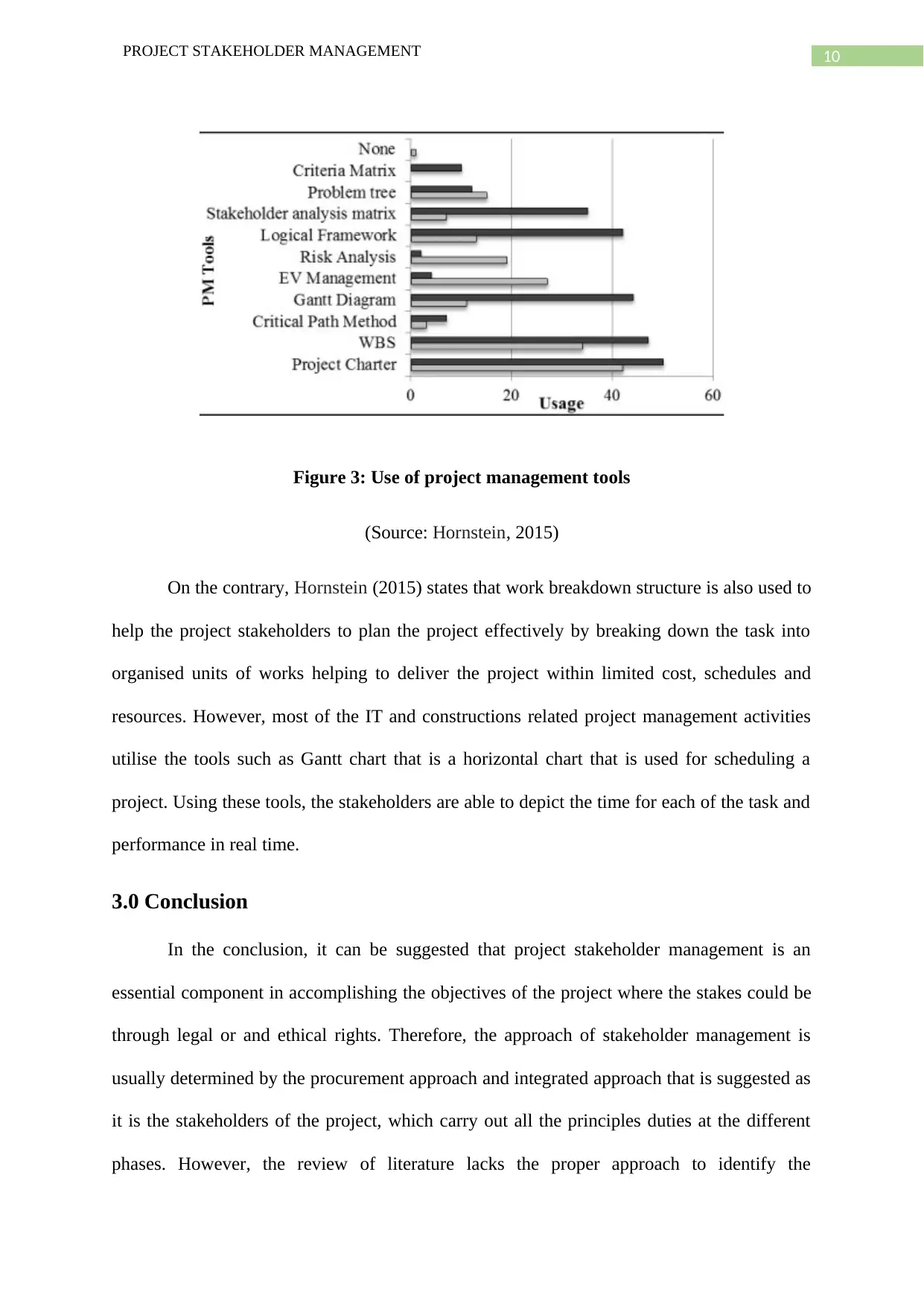
Figure 3: Use of project management tools
(Source: Hornstein, 2015)
On the contrary, Hornstein (2015) states that work breakdown structure is also used to
help the project stakeholders to plan the project effectively by breaking down the task into
organised units of works helping to deliver the project within limited cost, schedules and
resources. However, most of the IT and constructions related project management activities
utilise the tools such as Gantt chart that is a horizontal chart that is used for scheduling a
project. Using these tools, the stakeholders are able to depict the time for each of the task and
performance in real time.
3.0 Conclusion
In the conclusion, it can be suggested that project stakeholder management is an
essential component in accomplishing the objectives of the project where the stakes could be
through legal or and ethical rights. Therefore, the approach of stakeholder management is
usually determined by the procurement approach and integrated approach that is suggested as
it is the stakeholders of the project, which carry out all the principles duties at the different
phases. However, the review of literature lacks the proper approach to identify the
Figure 3: Use of project management tools
(Source: Hornstein, 2015)
On the contrary, Hornstein (2015) states that work breakdown structure is also used to
help the project stakeholders to plan the project effectively by breaking down the task into
organised units of works helping to deliver the project within limited cost, schedules and
resources. However, most of the IT and constructions related project management activities
utilise the tools such as Gantt chart that is a horizontal chart that is used for scheduling a
project. Using these tools, the stakeholders are able to depict the time for each of the task and
performance in real time.
3.0 Conclusion
In the conclusion, it can be suggested that project stakeholder management is an
essential component in accomplishing the objectives of the project where the stakes could be
through legal or and ethical rights. Therefore, the approach of stakeholder management is
usually determined by the procurement approach and integrated approach that is suggested as
it is the stakeholders of the project, which carry out all the principles duties at the different
phases. However, the review of literature lacks the proper approach to identify the
11PROJECT STAKEHOLDER MANAGEMENT
performance and framework for stakeholder management. The gap in the review was the
absence of historical evidence of stakeholder management that serves as the foundation of the
establishment of sustainable stakeholder management model.
performance and framework for stakeholder management. The gap in the review was the
absence of historical evidence of stakeholder management that serves as the foundation of the
establishment of sustainable stakeholder management model.
⊘ This is a preview!⊘
Do you want full access?
Subscribe today to unlock all pages.
Trusted by 1+ million students worldwide

1 out of 15


Related Documents


Your All-in-One AI-Powered Toolkit for Academic Success.
+13062052269
info@desklib.com
Available 24*7 on WhatsApp / Email
![[object Object]](/_next/static/media/star-bottom.7253800d.svg)
Unlock your academic potential
Copyright © 2020–2026 A2Z Services. All Rights Reserved. Developed and managed by ZUCOL.