Prosthetics Report: Material Suitability, Application & Colouring
VerifiedAdded on 2023/06/10
|16
|3688
|321
Report
AI Summary
This report assesses the suitability of various prosthetic materials, focusing on a design scenario involving the creation of realistic double chin and cheek prosthetics with a budget of 8000 British pounds. It justifies the selection of silicone as the primary material due to its durability and lifelike results, contrasting it with alternatives like foam latex and gelatine. The report details the traditional casting and moulding techniques used for silicone prosthetics, emphasizing the importance of life casting, sculpting, and careful blending of edges. It also justifies the choice of Silk Instructor Ink and Colour Palette for achieving realistic skin tones and detailing. Furthermore, the report discusses the application of colour theory to enhance the realism of gelatine prosthetics, ensuring a seamless blend with the performer's skin tone. The strength of colour application was the usage of warm colours to match the warm skin tone of the performer so that the major does not appear
On Set
Prosthetics
1
Prosthetics
1

Paraphrase This Document
Need a fresh take? Get an instant paraphrase of this document with our AI Paraphraser
Contents
Suitability of prosthetics materials and products.............................................................................3
Design Scenario......................................................................................................................3
Selection of material and application choices........................................................................3
Justification of material and application choices....................................................................4
Justification for painting medium choices..............................................................................5
References..............................................................................................................................5
Application of Colouring and Gelatine Prosthetics.........................................................................5
Justification.............................................................................................................................5
Evaluation...............................................................................................................................6
References..............................................................................................................................7
Application and Coloring of silicone prosthetics.............................................................................7
Overview................................................................................................................................7
Justification.............................................................................................................................7
References..............................................................................................................................7
Application and Coloring of Latex Prosthetics................................................................................7
Justification.............................................................................................................................7
Evaluation...............................................................................................................................8
References..............................................................................................................................8
Photographic Evidence....................................................................................................................8
REFRENCES...................................................................................................................................9
2
Suitability of prosthetics materials and products.............................................................................3
Design Scenario......................................................................................................................3
Selection of material and application choices........................................................................3
Justification of material and application choices....................................................................4
Justification for painting medium choices..............................................................................5
References..............................................................................................................................5
Application of Colouring and Gelatine Prosthetics.........................................................................5
Justification.............................................................................................................................5
Evaluation...............................................................................................................................6
References..............................................................................................................................7
Application and Coloring of silicone prosthetics.............................................................................7
Overview................................................................................................................................7
Justification.............................................................................................................................7
References..............................................................................................................................7
Application and Coloring of Latex Prosthetics................................................................................7
Justification.............................................................................................................................7
Evaluation...............................................................................................................................8
References..............................................................................................................................8
Photographic Evidence....................................................................................................................8
REFRENCES...................................................................................................................................9
2
Suitability of prosthetics materials and products
Design Scenario
Prosthetics makeup is defined as the process of life casting sculpting and moulding to create a
makeup look that totally transforms a performer photo specific act in any of the performing arts.
This can include movie acting, musical performance or theatre play (Sciortino, 2020). The
prosthetic pieces are glued to the performer so that their appearance can be changed. Different
motives can be achieved with the help of prosthetic makeup such as making a performer look
like another person or ageing the performer. In addition to this prosthetic makeup can also be
used for creating creatures and monsters or adding weight to a performer.
Often prosthetic makeup is used to create injuries and wounds for a performer so that
they get the realistic look offer specific injury. The design scenario for this report includes
creation of prosthetics of large double chin and cheeks prosthetics which looks realistic. The
budget for the scenario is 8000 British pounds and the filming location is chicken ham studios
with indoor filming. The filming performer extortion will below sitting down on a sofa and the
expected weather is too be 11 degrees Celsius with 60% chance of showers. In addition to this
performer has a much slimmer face and has to drink a soft drink and eat fast food in the shot.
Mid range shots are only allowed for filming with no close ups.
Selection of material and application choices
The selected prosthetic material for completing the design scenario provided above is silicone.
This is one of the most common material used for prosthetic makeup because it is more durable
and provides formation of moulded pieces which can be as thin as few layers of skin (Jung and
Kim, 2018). The usage of silicone as a prosthetic material is beneficial because it provides
almost life like results and enhances the realistic aspects of makeup. Most of the professional
makeup done for movie performances nowadays includes the usage of silicone material.
Traditional casting and moulding techniques will be used for applying prosthetic make
ups made with silicone material. This involves creating design work end miniatures initially to
determine the specific design created for the model. After this life casting is completed which
involves prepping the skin and hair of the model to prevent sticking of silicone on skin. Life
casting requires smoothening silicone products onto their skin. Life casting is completed by
smoothening plaster bandages over the top of previously used silicone products to provide the
3
Design Scenario
Prosthetics makeup is defined as the process of life casting sculpting and moulding to create a
makeup look that totally transforms a performer photo specific act in any of the performing arts.
This can include movie acting, musical performance or theatre play (Sciortino, 2020). The
prosthetic pieces are glued to the performer so that their appearance can be changed. Different
motives can be achieved with the help of prosthetic makeup such as making a performer look
like another person or ageing the performer. In addition to this prosthetic makeup can also be
used for creating creatures and monsters or adding weight to a performer.
Often prosthetic makeup is used to create injuries and wounds for a performer so that
they get the realistic look offer specific injury. The design scenario for this report includes
creation of prosthetics of large double chin and cheeks prosthetics which looks realistic. The
budget for the scenario is 8000 British pounds and the filming location is chicken ham studios
with indoor filming. The filming performer extortion will below sitting down on a sofa and the
expected weather is too be 11 degrees Celsius with 60% chance of showers. In addition to this
performer has a much slimmer face and has to drink a soft drink and eat fast food in the shot.
Mid range shots are only allowed for filming with no close ups.
Selection of material and application choices
The selected prosthetic material for completing the design scenario provided above is silicone.
This is one of the most common material used for prosthetic makeup because it is more durable
and provides formation of moulded pieces which can be as thin as few layers of skin (Jung and
Kim, 2018). The usage of silicone as a prosthetic material is beneficial because it provides
almost life like results and enhances the realistic aspects of makeup. Most of the professional
makeup done for movie performances nowadays includes the usage of silicone material.
Traditional casting and moulding techniques will be used for applying prosthetic make
ups made with silicone material. This involves creating design work end miniatures initially to
determine the specific design created for the model. After this life casting is completed which
involves prepping the skin and hair of the model to prevent sticking of silicone on skin. Life
casting requires smoothening silicone products onto their skin. Life casting is completed by
smoothening plaster bandages over the top of previously used silicone products to provide the
3
⊘ This is a preview!⊘
Do you want full access?
Subscribe today to unlock all pages.

Trusted by 1+ million students worldwide
prosthetic make up a more solid and rigid structures. In this way a 3D exact replica of the body
part is created which can be used for sculpting the actual prosthetic makeup in a realistic manner.
After this sculpting is created where contour, textures and other fine details such as pores veins
and wrinkles are added to the prosthetic makeup. Finally edges are blended away to an
appropriate thickness so that incredibly fine and thin edges can be used for blending the
appliance into the skin and noticeable lines can be avoided through clear prosthetic makeup
(Debreceni, 2018). After this a negative mould is created and placed onto the positive life cast
which creates a gap between the life cast and negative mould. In this gap please poured or
injected into the gap and before that a release agent is applied so that the prosthetic ask test can
easily remove the appliance from the moulds. This traditional application process will be used
for developing the prosthetic makeup using silicone material.
Justification of material and application choices
The primary advantage of silicone makeup prosthetics is that this type of prosthetic does
not rot and provides long lasting results so that good results can be gained throughout the filming
process . Comparing the advantages of silicone to other prosthetic materials such as form lyrics
we just soft and also suitable for only certain types of faces. In addition to this form latex fold
and it's hollow nature leads to a lot of sweat which can affect the realistic nature of the makeup
and also disturb the filming process if repairs need to be done in order to adjust sweating from
the latex.
The only disadvantage of silicon makeup as prosthetic material is that it is quite
expensive (Bature-Uzor, 2018). This disadvantage is however not a problem for the above design
scenario because budget of 8000 pounds is available to be used for the entire process. This type
of budget can be used to get high quality silicone material to give the prosthetics a more realistic
look and get high quality results after filming. The disadvantage of expensive nature of silicon is
not a major disadvantage compared to other prosthetic makeup materials such as gelatine. It is
not effective to use gelatine for creating realistic prosthetic makeup because directing breaks
down with heat and perspiration melting and dissolving.
Even though the temperature at the time of filming is only 11 degrees Celsius but the
usage of gelatine can be challenging because of its melting properties. This justifies the usage of
silicon material as the material for prosthetic makeup further above describe design scenario.
4
part is created which can be used for sculpting the actual prosthetic makeup in a realistic manner.
After this sculpting is created where contour, textures and other fine details such as pores veins
and wrinkles are added to the prosthetic makeup. Finally edges are blended away to an
appropriate thickness so that incredibly fine and thin edges can be used for blending the
appliance into the skin and noticeable lines can be avoided through clear prosthetic makeup
(Debreceni, 2018). After this a negative mould is created and placed onto the positive life cast
which creates a gap between the life cast and negative mould. In this gap please poured or
injected into the gap and before that a release agent is applied so that the prosthetic ask test can
easily remove the appliance from the moulds. This traditional application process will be used
for developing the prosthetic makeup using silicone material.
Justification of material and application choices
The primary advantage of silicone makeup prosthetics is that this type of prosthetic does
not rot and provides long lasting results so that good results can be gained throughout the filming
process . Comparing the advantages of silicone to other prosthetic materials such as form lyrics
we just soft and also suitable for only certain types of faces. In addition to this form latex fold
and it's hollow nature leads to a lot of sweat which can affect the realistic nature of the makeup
and also disturb the filming process if repairs need to be done in order to adjust sweating from
the latex.
The only disadvantage of silicon makeup as prosthetic material is that it is quite
expensive (Bature-Uzor, 2018). This disadvantage is however not a problem for the above design
scenario because budget of 8000 pounds is available to be used for the entire process. This type
of budget can be used to get high quality silicone material to give the prosthetics a more realistic
look and get high quality results after filming. The disadvantage of expensive nature of silicon is
not a major disadvantage compared to other prosthetic makeup materials such as gelatine. It is
not effective to use gelatine for creating realistic prosthetic makeup because directing breaks
down with heat and perspiration melting and dissolving.
Even though the temperature at the time of filming is only 11 degrees Celsius but the
usage of gelatine can be challenging because of its melting properties. This justifies the usage of
silicon material as the material for prosthetic makeup further above describe design scenario.
4
Paraphrase This Document
Need a fresh take? Get an instant paraphrase of this document with our AI Paraphraser
Justification for painting medium choices
The advantage of this traditional process of creating life cast an negative moles to
develop prosthetic makeup is useful for the respective scenario because it results in creation of
realistic make up. The advantage of this type of application process is that it helps create models
which are suited to this certain actors skin and can be easily applied and taken out while filming
without wasting much time so that the filming process is not disturbed. In addition to this
another advantage of this type of application process is that it does not increase risks and makes
the process of applying prosthetic makeup simplified with less chances of failure. In this way the
filming process is completed in a timely manner through quick application of prosthetic makeup.
The only disadvantage of the traditional application process is that it is very time
consuming (Adji, 2019). However this disadvantage does not affect the respective design
scenario because the aim of the design scenario is to get a realistic results and the more time is
spent on creating the mould and sculpt the actual prosthetics the more detail can be attained and
realistic aspects can be enhanced. In comparison to other application methods this is the most
suitable because it provides realistic examples without much investment in other technologies or
tools used for creating prosthetic makeup and there is also time for completing various stages of
the application process. This provides suitable justification for using the casting moulding and
sculpting application method for the respective designs scenario.
References
Adji, A.N., 2019. Falling for the amphibian man: Fantasy, otherness, and auteurism in del Toro’s
The Shape of Water. IAFOR Journal of Media, Communication & Film, 6(1), pp.51-64.
Bature-Uzor, N.A., 2018. Mise-en-scene and authenticity in Kunle Afolayan’s October
1. AFRREV IJAH: An International Journal of Arts and Humanities, 7(3), pp.41-54.
Debreceni, T., 2018. Special Makeup Effects for Stage and Screen: Making and Applying
Prosthetics. Routledge.
Jung, J. and Kim, E.S., 2018. Analysis of Korean and Foreign Special Effects Make-up in
Representative Films by Period. Journal of Fashion Business, 22(3), pp.57-66.
Sciortino, C., 2020. Makeup Artistry for Film and Television: Your Tools for Success On-set and
Behind-the-scenes. Routledge.
Explain why the two products would be suitable for the selected scenario
Silk Instructor Ink: The silk instructor ink is selected product for the chosen design scenario
because it will help ensure that the colouring is effectively applied to the silicone prosthetic.
Usage of silk inspecting ink as one of the primary products used in creation of the prosthetic is
important because it will help ensure that colour Paint used for matching aesthetic with the skin
5
The advantage of this traditional process of creating life cast an negative moles to
develop prosthetic makeup is useful for the respective scenario because it results in creation of
realistic make up. The advantage of this type of application process is that it helps create models
which are suited to this certain actors skin and can be easily applied and taken out while filming
without wasting much time so that the filming process is not disturbed. In addition to this
another advantage of this type of application process is that it does not increase risks and makes
the process of applying prosthetic makeup simplified with less chances of failure. In this way the
filming process is completed in a timely manner through quick application of prosthetic makeup.
The only disadvantage of the traditional application process is that it is very time
consuming (Adji, 2019). However this disadvantage does not affect the respective design
scenario because the aim of the design scenario is to get a realistic results and the more time is
spent on creating the mould and sculpt the actual prosthetics the more detail can be attained and
realistic aspects can be enhanced. In comparison to other application methods this is the most
suitable because it provides realistic examples without much investment in other technologies or
tools used for creating prosthetic makeup and there is also time for completing various stages of
the application process. This provides suitable justification for using the casting moulding and
sculpting application method for the respective designs scenario.
References
Adji, A.N., 2019. Falling for the amphibian man: Fantasy, otherness, and auteurism in del Toro’s
The Shape of Water. IAFOR Journal of Media, Communication & Film, 6(1), pp.51-64.
Bature-Uzor, N.A., 2018. Mise-en-scene and authenticity in Kunle Afolayan’s October
1. AFRREV IJAH: An International Journal of Arts and Humanities, 7(3), pp.41-54.
Debreceni, T., 2018. Special Makeup Effects for Stage and Screen: Making and Applying
Prosthetics. Routledge.
Jung, J. and Kim, E.S., 2018. Analysis of Korean and Foreign Special Effects Make-up in
Representative Films by Period. Journal of Fashion Business, 22(3), pp.57-66.
Sciortino, C., 2020. Makeup Artistry for Film and Television: Your Tools for Success On-set and
Behind-the-scenes. Routledge.
Explain why the two products would be suitable for the selected scenario
Silk Instructor Ink: The silk instructor ink is selected product for the chosen design scenario
because it will help ensure that the colouring is effectively applied to the silicone prosthetic.
Usage of silk inspecting ink as one of the primary products used in creation of the prosthetic is
important because it will help ensure that colour Paint used for matching aesthetic with the skin
5
of the actor is applied in a way which does not make it look unnatural. In addition to this, the
usage of silk instructor ink will also support creation of more realistic look for the respective
prosthetic situation. This is because the usage of silk instructor Ink will help ensure creation of
fine components and detailing and lines on the prosthetic tool and product so that it matches with
the skin texture of the actor and does not look as a prosthetic. In addition to this, another reason
for using the Silk Instructor Ink as the product for creating prosthetics for the specific scenario is
that it will provide possibility for easier application of colouring and will also help in ensuring
that the prosthetics is not damaged or disturbed because of sweating or other designs while
filming the actor.
Silk Instructor Colour Palette: The reason for using the silk instructor colour palette is that it
provides white variety of colouring options which also look very realistic when compared
against the skin of individuals. This type of features provided by the skin instructor colour palette
will help ensure that the prosthetics look as realistic as possible. Another advantage provided by
the skin instructed color palette is that it can be easily applied on the prosthetic and can also be
used to blend the prosthetic with the original skin texture of the actor so that it does not stand out
and blends in with other features of the actor easily. The usage of skin instructor colour palette is
also beneficial for this specific scenario because it is economical and helps keep the budget for
the filming and creation of prosthetics inexpensive. The skin instructor colour palette provides
various features as well as high quality results in an inexpensive budget when compared to other
big brands, which is the reason why it is selected as one of the main products for creating the
prosthetics for this specific scenario. Finally, another advantage of using the specification film is
that it can be easily utilize and does not have any after effects on the actor, so it promotes safe
creation and application of prosthetics.
Review the success application and Coloring of gelatin prosthetics
Justification
Colour application plays an important role in enhancing the overall quality of the prosthetic
makeup. This is because it is the main element which is able to make the prosthetic makeup
seem realistic and a part of the performer’s natural body instead of looking as an external
prosthetic makeup extension. In context of the above design scenario colour theory is utilised
for completing colour application for gelatine prosthetics. Colour theory states that opposite
6
usage of silk instructor ink will also support creation of more realistic look for the respective
prosthetic situation. This is because the usage of silk instructor Ink will help ensure creation of
fine components and detailing and lines on the prosthetic tool and product so that it matches with
the skin texture of the actor and does not look as a prosthetic. In addition to this, another reason
for using the Silk Instructor Ink as the product for creating prosthetics for the specific scenario is
that it will provide possibility for easier application of colouring and will also help in ensuring
that the prosthetics is not damaged or disturbed because of sweating or other designs while
filming the actor.
Silk Instructor Colour Palette: The reason for using the silk instructor colour palette is that it
provides white variety of colouring options which also look very realistic when compared
against the skin of individuals. This type of features provided by the skin instructor colour palette
will help ensure that the prosthetics look as realistic as possible. Another advantage provided by
the skin instructed color palette is that it can be easily applied on the prosthetic and can also be
used to blend the prosthetic with the original skin texture of the actor so that it does not stand out
and blends in with other features of the actor easily. The usage of skin instructor colour palette is
also beneficial for this specific scenario because it is economical and helps keep the budget for
the filming and creation of prosthetics inexpensive. The skin instructor colour palette provides
various features as well as high quality results in an inexpensive budget when compared to other
big brands, which is the reason why it is selected as one of the main products for creating the
prosthetics for this specific scenario. Finally, another advantage of using the specification film is
that it can be easily utilize and does not have any after effects on the actor, so it promotes safe
creation and application of prosthetics.
Review the success application and Coloring of gelatin prosthetics
Justification
Colour application plays an important role in enhancing the overall quality of the prosthetic
makeup. This is because it is the main element which is able to make the prosthetic makeup
seem realistic and a part of the performer’s natural body instead of looking as an external
prosthetic makeup extension. In context of the above design scenario colour theory is utilised
for completing colour application for gelatine prosthetics. Colour theory states that opposite
6
⊘ This is a preview!⊘
Do you want full access?
Subscribe today to unlock all pages.
Trusted by 1+ million students worldwide
colours on the colour wheel are complementary in nature (Middleton, 2018). In makeup the
usage of colour theory helps correct and conceal unwanted skin tones. In context of the above
design scenario the prosthetic mould of silicone material is created by using the colour theory
and contrasting between secondary and primary colours in order to create and blend the makeup
to the performers’ skin. This is a justified usage of colour theory because it helps ensure that the
performer’s skin matches the makeup prosthetic and the makeup prosthetic does not stand out as
in natural. In addition to this, realistic aspects of the performers skin and facial structure can also
be enhanced by using colour theory as it helps create specific tone of the prosthetic makeup
which helps enhance a particular look for the performer. This justifies the usage of colour theory
in context of colour application in silicon prosthetics so that realistic nature of makeup
prosthetics is enhanced.
Evaluation
It is evaluated that the strength of colour application was the usage of warm colours to
match the warm skin tone of the performer so that the major does not appear unrealistic. This
strength was supported by colour theory as the usage of colour theory in makeup helps match
makeup materials such as foundation and prosthetic makeup material do the skin colour of the
performer and make it much more realistic. On the other hand the disadvantage or weakness of
colour application in this particular case what is the usage of limited makeup tools which
restricted effective application of colour on the prosthetics and also lowered the overall realistic
nature which could have been made exceptional if different types of makeup tools were used. For
example White makeup brush and angled brushes for highlighting colours in different part of the
prosthetics.
Alcohol activated paints were used for colour application in case of silicone prosthetics.
These types of paints were used because there perfect for using as a base for most looks. In
addition to this alcohol activated paints are highly pigmented an extremely durable which also
support long term filming and can be used for creating a more realistic look which is set on the
skin for longer time (Failes, 2016). Alcohol activated paints are also waterproof smudge proof an
non transferring which makes the prosthetics easier to handle and application also becomes
easier for silicone prosthetics. Alcohol activated paint provide a natural and realistic look to the
prosthetics. This specific advantages of alcohol activated paint is suitable for the given design
7
usage of colour theory helps correct and conceal unwanted skin tones. In context of the above
design scenario the prosthetic mould of silicone material is created by using the colour theory
and contrasting between secondary and primary colours in order to create and blend the makeup
to the performers’ skin. This is a justified usage of colour theory because it helps ensure that the
performer’s skin matches the makeup prosthetic and the makeup prosthetic does not stand out as
in natural. In addition to this, realistic aspects of the performers skin and facial structure can also
be enhanced by using colour theory as it helps create specific tone of the prosthetic makeup
which helps enhance a particular look for the performer. This justifies the usage of colour theory
in context of colour application in silicon prosthetics so that realistic nature of makeup
prosthetics is enhanced.
Evaluation
It is evaluated that the strength of colour application was the usage of warm colours to
match the warm skin tone of the performer so that the major does not appear unrealistic. This
strength was supported by colour theory as the usage of colour theory in makeup helps match
makeup materials such as foundation and prosthetic makeup material do the skin colour of the
performer and make it much more realistic. On the other hand the disadvantage or weakness of
colour application in this particular case what is the usage of limited makeup tools which
restricted effective application of colour on the prosthetics and also lowered the overall realistic
nature which could have been made exceptional if different types of makeup tools were used. For
example White makeup brush and angled brushes for highlighting colours in different part of the
prosthetics.
Alcohol activated paints were used for colour application in case of silicone prosthetics.
These types of paints were used because there perfect for using as a base for most looks. In
addition to this alcohol activated paints are highly pigmented an extremely durable which also
support long term filming and can be used for creating a more realistic look which is set on the
skin for longer time (Failes, 2016). Alcohol activated paints are also waterproof smudge proof an
non transferring which makes the prosthetics easier to handle and application also becomes
easier for silicone prosthetics. Alcohol activated paint provide a natural and realistic look to the
prosthetics. This specific advantages of alcohol activated paint is suitable for the given design
7
Paraphrase This Document
Need a fresh take? Get an instant paraphrase of this document with our AI Paraphraser
scenario as it creates a more realistic group and has helped me with getting best quality work in a
simplified and easy manner.
References
Failes, I., 2016. Masters of FX: Behind the Scenes with Geniuses of Visual and special Effects.
Routledge.
Middleton, K., 2018. Color Theory for the Make-up Artist: Understanding color and light for
beauty and special effects. Routledge.
Review the success application and Coloring of foam latex prosthetics
Overview
Airbrush makeup technique was also applied for completing the specific design scenario. This
involves spraying of makeup on the face with a spray gun (Thaitami and Maksum, 2020). This
was advantageous because it provides full coverage to the prosthetics and it also does not
provide different results for different skin types. Finally it provided a smudge proof result while
applying the prosthetics on the actor and it became more simple for the actor to eat while also
wearing the prosthetics.
Justification
Looking back at the application of colouring on foam latex prosthetic for the specific design
scenario there are different strengths and weaknesses of my application process which resulted in
creation of the specific prosthetics. The strength of colour application for the foam latex
prosthetic was that it utilised airbrushing technique to make the final result more clean cut and
clear (Kassaveti, 2019). This helped ensure that makeup and prosthetics were effectively
blended into the skin of the performer without creating any lines to differentiate the prosthetic
from natural body of the performer. On the other hand the weakness of colour application when
it came to foam latex prosthetic was that it was quite time consuming and the airbrushing
required different tries to finally give out the highest quality results which was frustrating. I was
also not able to apply the foam latex prosthetic on the face of the actor effectively and faced
challenges in using adhesive without making the prosthetic look odd skin of the actor. In the
future the actions which will help me improve my application and colouring work when it comes
to foam latex is the preparation of specific steps before starting the usage of airbrushing or any
other colour application method. In addition to this I will stop application of adhesive by 1/4th
8
simplified and easy manner.
References
Failes, I., 2016. Masters of FX: Behind the Scenes with Geniuses of Visual and special Effects.
Routledge.
Middleton, K., 2018. Color Theory for the Make-up Artist: Understanding color and light for
beauty and special effects. Routledge.
Review the success application and Coloring of foam latex prosthetics
Overview
Airbrush makeup technique was also applied for completing the specific design scenario. This
involves spraying of makeup on the face with a spray gun (Thaitami and Maksum, 2020). This
was advantageous because it provides full coverage to the prosthetics and it also does not
provide different results for different skin types. Finally it provided a smudge proof result while
applying the prosthetics on the actor and it became more simple for the actor to eat while also
wearing the prosthetics.
Justification
Looking back at the application of colouring on foam latex prosthetic for the specific design
scenario there are different strengths and weaknesses of my application process which resulted in
creation of the specific prosthetics. The strength of colour application for the foam latex
prosthetic was that it utilised airbrushing technique to make the final result more clean cut and
clear (Kassaveti, 2019). This helped ensure that makeup and prosthetics were effectively
blended into the skin of the performer without creating any lines to differentiate the prosthetic
from natural body of the performer. On the other hand the weakness of colour application when
it came to foam latex prosthetic was that it was quite time consuming and the airbrushing
required different tries to finally give out the highest quality results which was frustrating. I was
also not able to apply the foam latex prosthetic on the face of the actor effectively and faced
challenges in using adhesive without making the prosthetic look odd skin of the actor. In the
future the actions which will help me improve my application and colouring work when it comes
to foam latex is the preparation of specific steps before starting the usage of airbrushing or any
other colour application method. In addition to this I will stop application of adhesive by 1/4th
8
distance from the edges of the prosthetics piece so that it can be applied onto the skin of the actor
without any difficulties.
References
Kassaveti, U.H., 2019. “Sharp Sybaritic” Retrofuturistic Deco Realism: Some Preliminary Notes
on the 1980s Airbrush Art. Imaginations: Journal of Cross-Cultural Image
Studies/Imaginations: revue d’études interculturelles de l’image, 10(2). pp.89-117.
Thaitami, S.H. and Maksum, H., 2020. The Development of Web-Based Learning Media on
Western Bridal Make-Up Subject. Journal of Education Technology, 4(3). pp.264-272.
Application and Coloring of Textured Latex Prosthetics
Justification
I’ve also utilised different brushing techniques such as stippling spattering direct application and
dry brushing which helped me create varying degrees of definition at texture to the makeup
prosthetic. Stippling was utilised is to build colour base for the prosthetic. These brushing
techniques helped in creating a strong foundation for further application of colour so that realistic
results can be attained. A small stippling brush was used for blending the foundation makeup on
the silicone prosthetics. This supported in creating a natural looking flush and simplified further
build up for applying more colours. This justified the usage of different brushwork technique for
colouring latex prosthetics as it provided more realistic results.
Evaluation
The strength of colour application was the detailing provided with the help of different
brushwork. This improved the overall look of the prosthetics and ensured that the humanistic
detailed such as skin folds, pores and other elements like pigmentation can be clearly seen. The
advantage of using different types of brushwork is suitable for improving the effect of prosthetics
for studio lighting (Baek, 2020). The details were also caught by the camera which improved the
overall quality of the final work.
On the other and the weakness of using different type of brushwork was that it required
more preparation time and trial and error. This is because applying different brushing techniques
provides different results according to skin type and facial structure. This means that I had to
improvise which also lead to mistakes. I need to improve my ability to identify specific ways of
using different brushing techniques so that I am confident in my decisions and there is no need
for trial and error. In future I will study the skin of the actor first and decide the specific brushing
techniques which need to applied and in which order they need to be used to get the final look.
9
without any difficulties.
References
Kassaveti, U.H., 2019. “Sharp Sybaritic” Retrofuturistic Deco Realism: Some Preliminary Notes
on the 1980s Airbrush Art. Imaginations: Journal of Cross-Cultural Image
Studies/Imaginations: revue d’études interculturelles de l’image, 10(2). pp.89-117.
Thaitami, S.H. and Maksum, H., 2020. The Development of Web-Based Learning Media on
Western Bridal Make-Up Subject. Journal of Education Technology, 4(3). pp.264-272.
Application and Coloring of Textured Latex Prosthetics
Justification
I’ve also utilised different brushing techniques such as stippling spattering direct application and
dry brushing which helped me create varying degrees of definition at texture to the makeup
prosthetic. Stippling was utilised is to build colour base for the prosthetic. These brushing
techniques helped in creating a strong foundation for further application of colour so that realistic
results can be attained. A small stippling brush was used for blending the foundation makeup on
the silicone prosthetics. This supported in creating a natural looking flush and simplified further
build up for applying more colours. This justified the usage of different brushwork technique for
colouring latex prosthetics as it provided more realistic results.
Evaluation
The strength of colour application was the detailing provided with the help of different
brushwork. This improved the overall look of the prosthetics and ensured that the humanistic
detailed such as skin folds, pores and other elements like pigmentation can be clearly seen. The
advantage of using different types of brushwork is suitable for improving the effect of prosthetics
for studio lighting (Baek, 2020). The details were also caught by the camera which improved the
overall quality of the final work.
On the other and the weakness of using different type of brushwork was that it required
more preparation time and trial and error. This is because applying different brushing techniques
provides different results according to skin type and facial structure. This means that I had to
improvise which also lead to mistakes. I need to improve my ability to identify specific ways of
using different brushing techniques so that I am confident in my decisions and there is no need
for trial and error. In future I will study the skin of the actor first and decide the specific brushing
techniques which need to applied and in which order they need to be used to get the final look.
9
⊘ This is a preview!⊘
Do you want full access?
Subscribe today to unlock all pages.
Trusted by 1+ million students worldwide
This will help me avoid any kind of time wastage, resource wastage and improvisation with
make-up so that the final look is professionally done.
References
Baek, K.J., 2020. The perception of makeup for the elderly and the makeup behavior of new
seniors. Journal of Consumer Behaviour, 19(2). pp.160-170.
Review the success application and Coloring of Silicone flatbread prosthetics
The De-moulding prosthetic method was utilised for applying and colouring the silicone flat
bread prosthetic. This involved a traditional application of the D moulded offence and then an
application using the method of transferring the piece directly from the mode onto the skin. The
application utilised silicone, an ethnic adhesives. After this the application is at her textured seat,
coloured and dressed with pains which matched the skin of the actor. Best friends of applying the
silicone flat mould appliance on the actor by using the de-moulding prosthetics method was that
it was easy to apply and a simple process which was completed in short time. In addition to this,
the strength of curling, colouring, the flat rate prosthetic appliance was also easy as it did not
require specific airbrushing and was completed easily and quickly.
The disadvantage of the silicone makeup was that it is non porous in nature which
increased various challenges when painting and applying colouring on the prosthetic. There were
many difficulties, such as effectively applying the colour so that it sticks to the surface of the
prosthetic, and also ensuring that the prosthetic looks realistic because of it non porous nature.
They need to impede improvement in this weakness of applying colouring to the prosthetic as it
reduced the realistic nature of the prosthetic and also lead to unnecessary time wastage.
For future improvements in silicon flat bread prosthetic application and colouring, I will
utilise gelatine blender such as Hazel to blend out the edges of the prosthetic. In order to do this,
cotton swab soaked in the blender will be used to work on the edges of the skin so that the silicon
flat bread prosthetic looks more realistic. In addition to this, I will also utilise cohesive silicone
for better application of prosthetics in the future.
10
make-up so that the final look is professionally done.
References
Baek, K.J., 2020. The perception of makeup for the elderly and the makeup behavior of new
seniors. Journal of Consumer Behaviour, 19(2). pp.160-170.
Review the success application and Coloring of Silicone flatbread prosthetics
The De-moulding prosthetic method was utilised for applying and colouring the silicone flat
bread prosthetic. This involved a traditional application of the D moulded offence and then an
application using the method of transferring the piece directly from the mode onto the skin. The
application utilised silicone, an ethnic adhesives. After this the application is at her textured seat,
coloured and dressed with pains which matched the skin of the actor. Best friends of applying the
silicone flat mould appliance on the actor by using the de-moulding prosthetics method was that
it was easy to apply and a simple process which was completed in short time. In addition to this,
the strength of curling, colouring, the flat rate prosthetic appliance was also easy as it did not
require specific airbrushing and was completed easily and quickly.
The disadvantage of the silicone makeup was that it is non porous in nature which
increased various challenges when painting and applying colouring on the prosthetic. There were
many difficulties, such as effectively applying the colour so that it sticks to the surface of the
prosthetic, and also ensuring that the prosthetic looks realistic because of it non porous nature.
They need to impede improvement in this weakness of applying colouring to the prosthetic as it
reduced the realistic nature of the prosthetic and also lead to unnecessary time wastage.
For future improvements in silicon flat bread prosthetic application and colouring, I will
utilise gelatine blender such as Hazel to blend out the edges of the prosthetic. In order to do this,
cotton swab soaked in the blender will be used to work on the edges of the skin so that the silicon
flat bread prosthetic looks more realistic. In addition to this, I will also utilise cohesive silicone
for better application of prosthetics in the future.
10
Paraphrase This Document
Need a fresh take? Get an instant paraphrase of this document with our AI Paraphraser
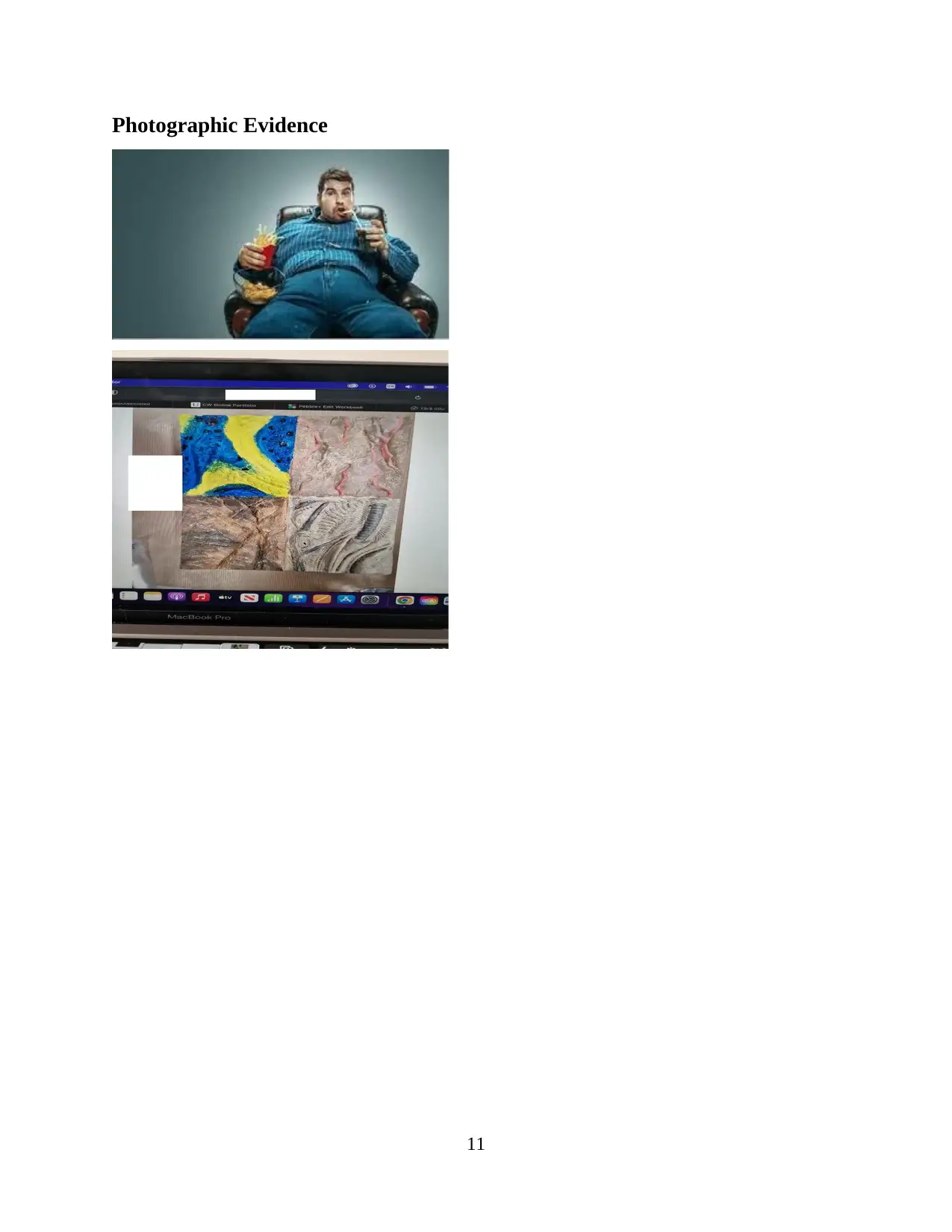
Photographic Evidence
11
11
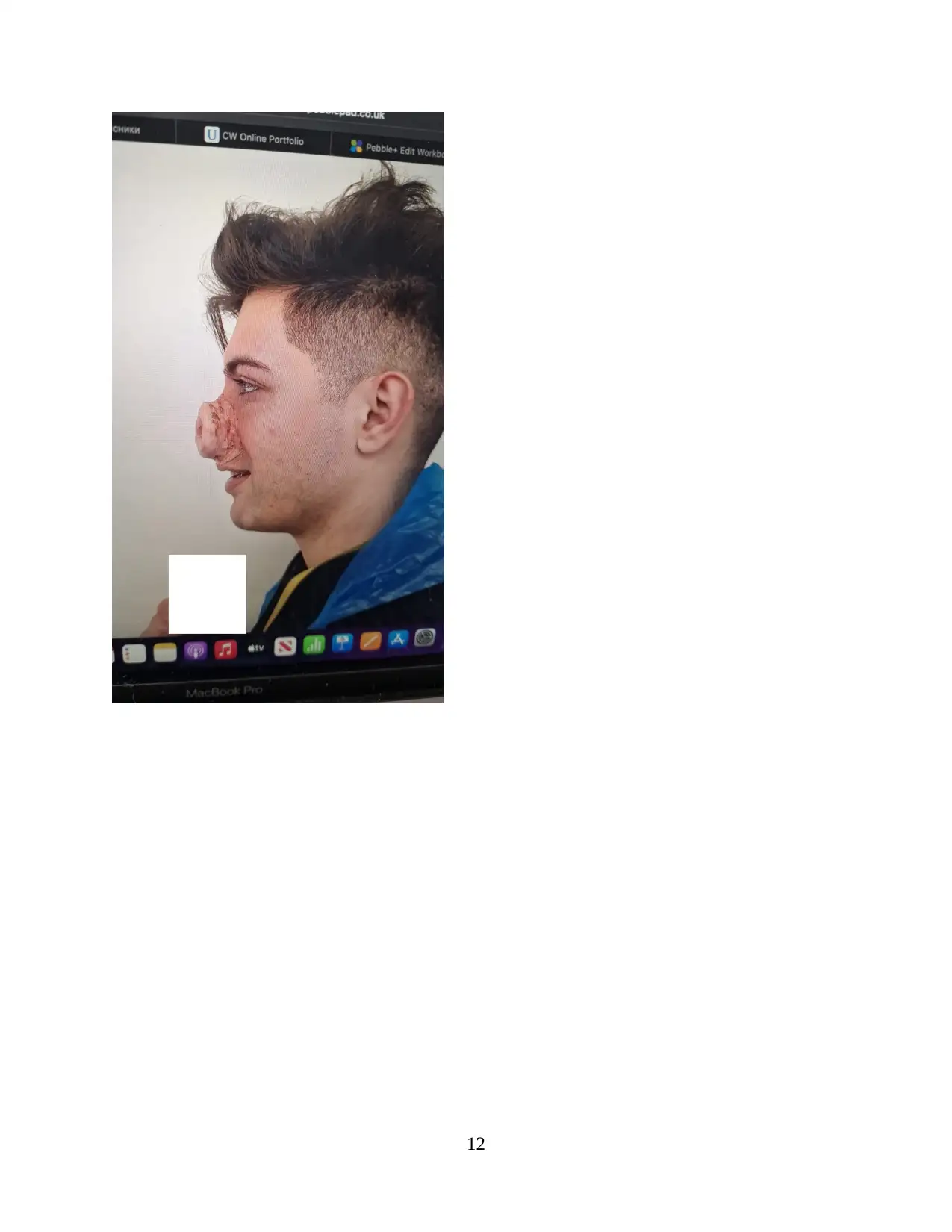
12
⊘ This is a preview!⊘
Do you want full access?
Subscribe today to unlock all pages.
Trusted by 1+ million students worldwide

1 out of 16


Your All-in-One AI-Powered Toolkit for Academic Success.
+13062052269
info@desklib.com
Available 24*7 on WhatsApp / Email
![[object Object]](/_next/static/media/star-bottom.7253800d.svg)
Unlock your academic potential
Copyright © 2020–2026 A2Z Services. All Rights Reserved. Developed and managed by ZUCOL.