The 1987 Stock Market Crash: Causes and Recessionary Impacts
VerifiedAdded on 2022/09/22
|7
|1178
|30
Report
AI Summary
This report examines the 1987 stock market crash, also known as Black Monday, which saw a significant drop in the Dow Jones Industrial Average. The report delves into the causes of the crash, including overvaluation of investments and instability in the stock market. It analyzes the impact on macroeconomic variables such as GDP and unemployment, illustrating the decline in GDP growth and the rise in unemployment rates during the period. The report also defines fiscal stimulus, outlining the government's use of fiscal expenditure and taxation policies as tools to manage the economic downturn. Furthermore, it assesses the effectiveness of these fiscal policies in mitigating the effects of the crash and discusses the subsequent recovery in GDP growth. The report draws on various sources to support its analysis and provides a comprehensive overview of the economic consequences of the 1987 stock market crash.

Running head: RECESSIONARY PERIOD DURING STOCK MARKET CRASH OF 1987
Recessionary period during Stock Market Crash of 1987
Name of the Student
Name of the University
Author Note
Recessionary period during Stock Market Crash of 1987
Name of the Student
Name of the University
Author Note
Paraphrase This Document
Need a fresh take? Get an instant paraphrase of this document with our AI Paraphraser

1RECESSIONARY PERIOD DURING STOCK MARKET CRASH OF 1987
Table of Contents
Paragraph 1: Introduction, source....................................................................................................2
Paragraph 2: Definition of stock market, causes and consequences...............................................2
Paragraph 4: Define fiscal stimulus, two tools of fiscal policy – fiscal expenditure and taxation
policy...............................................................................................................................................4
Paragraph 5: effectiveness of fiscal policy, conclusion...................................................................5
Reference list...................................................................................................................................6
Table of Contents
Paragraph 1: Introduction, source....................................................................................................2
Paragraph 2: Definition of stock market, causes and consequences...............................................2
Paragraph 4: Define fiscal stimulus, two tools of fiscal policy – fiscal expenditure and taxation
policy...............................................................................................................................................4
Paragraph 5: effectiveness of fiscal policy, conclusion...................................................................5
Reference list...................................................................................................................................6

2RECESSIONARY PERIOD DURING STOCK MARKET CRASH OF 1987
Paragraph 1: Introduction, source
In the USA, the Dow Jones Industrial Average is dropped by 22.6% only for one day on
19th October, 1987 after continuous decline of the stock market for five consecutive days. The
data is remarked as Black Monday. Over valuation of investment return and severe decline in the
stock price are accountable for this significant loss in the share market. To discuss briefly
regarding the causes and consequences of the stock market failure, the current considers an
article “The stock market crash of 1987: What have we learned?”. Michael Hughes, the narrator
of the article, discusses the multidimensional impacts of the stock market crash of 1987
(Hughes). He observes that 47% hike in the UK stock market price in mid-July of 1987 plays the
catalyst role in the USA stock market failure. In the light of the UK stock market bubble, the
USA investors have overvalued the price, which in turn, brings instability in the market.
Paragraph 2: Definition of stock market, causes and consequences
Stock market is a comprehensive network of economic transactions of stocks, including
securities listed on the public stock exchange and shares of private entities.
In October 1987, the sharp decline in the USA stock prices is defined as a stock market
crash. According to the article, disputed foreign trade and monetary agreements, such that, Plaza
and Louvre Agreements are the accountable for his stock market (Cagan). Under these
agreements, the USA dollar gets devalued to regulate trade deficit. Meanwhile, the growing risk
in the computer-based trading models has led to the severe decline in the stock price.
This economic phenomenon causes economic stability across the world. A selling of
share gets intensified following the steep fall in the share price. As a result, the computerized
Paragraph 1: Introduction, source
In the USA, the Dow Jones Industrial Average is dropped by 22.6% only for one day on
19th October, 1987 after continuous decline of the stock market for five consecutive days. The
data is remarked as Black Monday. Over valuation of investment return and severe decline in the
stock price are accountable for this significant loss in the share market. To discuss briefly
regarding the causes and consequences of the stock market failure, the current considers an
article “The stock market crash of 1987: What have we learned?”. Michael Hughes, the narrator
of the article, discusses the multidimensional impacts of the stock market crash of 1987
(Hughes). He observes that 47% hike in the UK stock market price in mid-July of 1987 plays the
catalyst role in the USA stock market failure. In the light of the UK stock market bubble, the
USA investors have overvalued the price, which in turn, brings instability in the market.
Paragraph 2: Definition of stock market, causes and consequences
Stock market is a comprehensive network of economic transactions of stocks, including
securities listed on the public stock exchange and shares of private entities.
In October 1987, the sharp decline in the USA stock prices is defined as a stock market
crash. According to the article, disputed foreign trade and monetary agreements, such that, Plaza
and Louvre Agreements are the accountable for his stock market (Cagan). Under these
agreements, the USA dollar gets devalued to regulate trade deficit. Meanwhile, the growing risk
in the computer-based trading models has led to the severe decline in the stock price.
This economic phenomenon causes economic stability across the world. A selling of
share gets intensified following the steep fall in the share price. As a result, the computerized
⊘ This is a preview!⊘
Do you want full access?
Subscribe today to unlock all pages.

Trusted by 1+ million students worldwide

3RECESSIONARY PERIOD DURING STOCK MARKET CRASH OF 1987
trading system breaks down and causes imbalances in the exchange market due to growing
ambiguity in the pricing system
Paragraph 3: Impact on macroeconomic variables (GDP, unemployment)
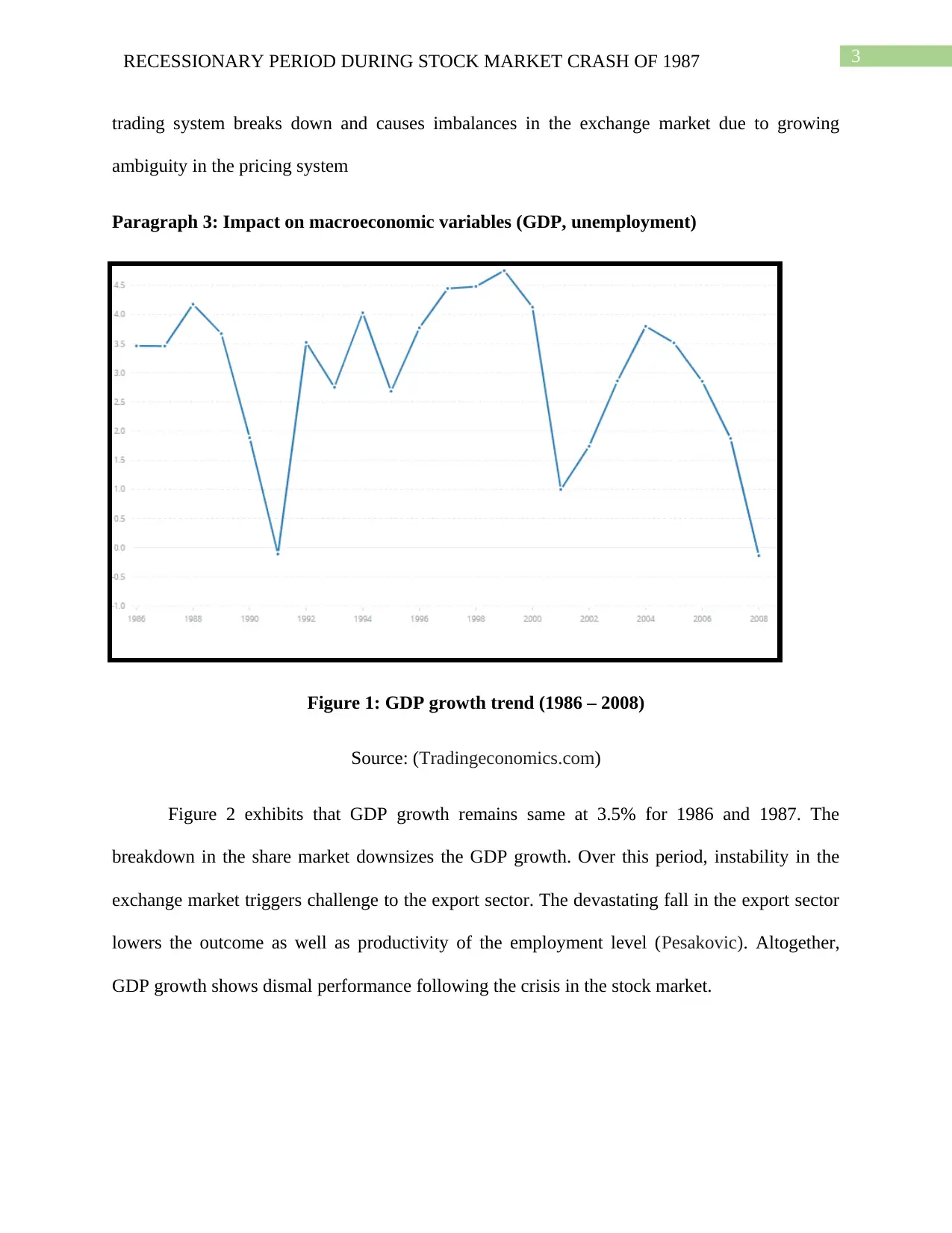
Figure 1: GDP growth trend (1986 – 2008)
Source: (Tradingeconomics.com)
Figure 2 exhibits that GDP growth remains same at 3.5% for 1986 and 1987. The
breakdown in the share market downsizes the GDP growth. Over this period, instability in the
exchange market triggers challenge to the export sector. The devastating fall in the export sector
lowers the outcome as well as productivity of the employment level (Pesakovic). Altogether,
GDP growth shows dismal performance following the crisis in the stock market.
trading system breaks down and causes imbalances in the exchange market due to growing
ambiguity in the pricing system
Paragraph 3: Impact on macroeconomic variables (GDP, unemployment)
Figure 1: GDP growth trend (1986 – 2008)
Source: (Tradingeconomics.com)
Figure 2 exhibits that GDP growth remains same at 3.5% for 1986 and 1987. The
breakdown in the share market downsizes the GDP growth. Over this period, instability in the
exchange market triggers challenge to the export sector. The devastating fall in the export sector
lowers the outcome as well as productivity of the employment level (Pesakovic). Altogether,
GDP growth shows dismal performance following the crisis in the stock market.
Paraphrase This Document
Need a fresh take? Get an instant paraphrase of this document with our AI Paraphraser

4RECESSIONARY PERIOD DURING STOCK MARKET CRASH OF 1987
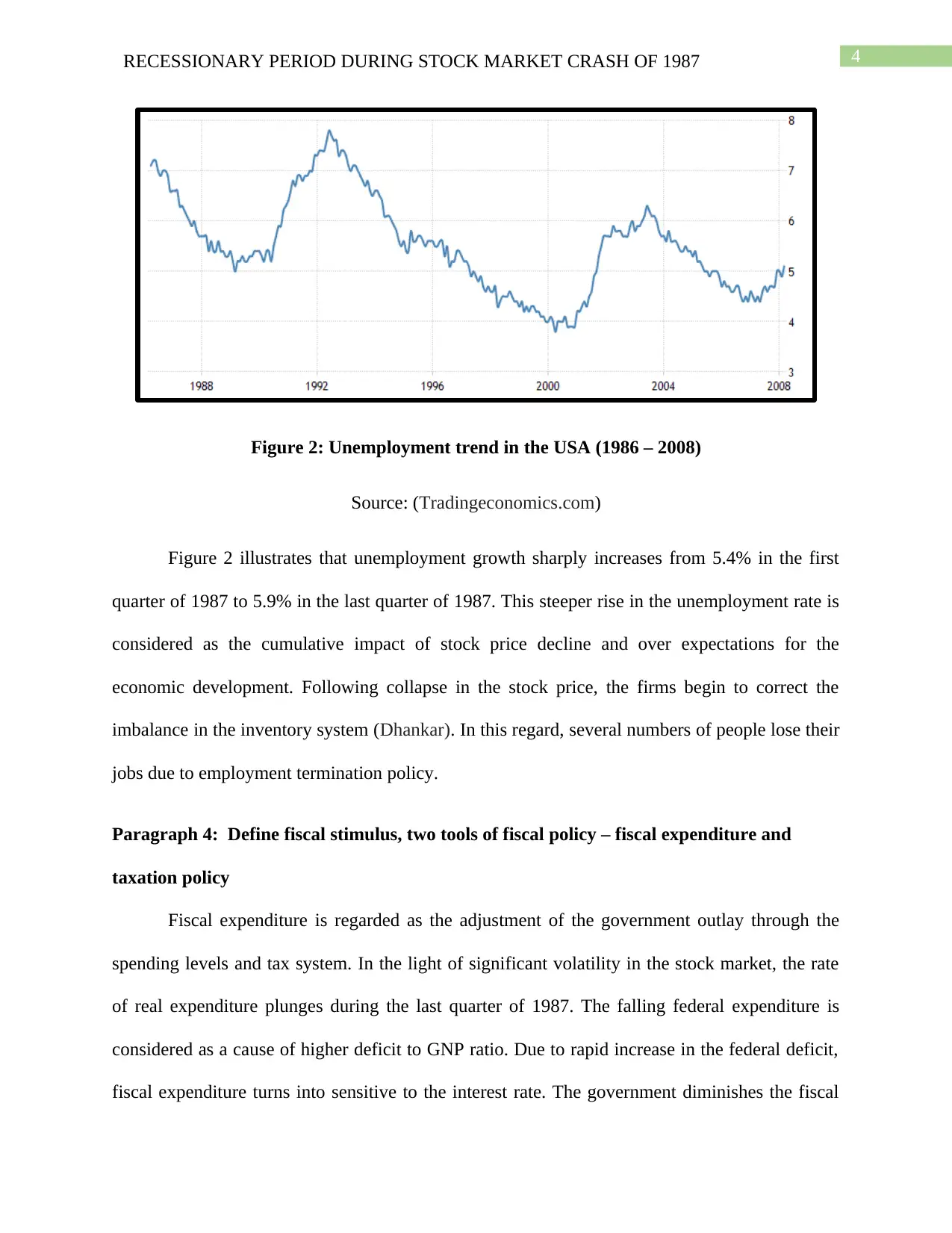
Figure 2: Unemployment trend in the USA (1986 – 2008)
Source: (Tradingeconomics.com)
Figure 2 illustrates that unemployment growth sharply increases from 5.4% in the first
quarter of 1987 to 5.9% in the last quarter of 1987. This steeper rise in the unemployment rate is
considered as the cumulative impact of stock price decline and over expectations for the
economic development. Following collapse in the stock price, the firms begin to correct the
imbalance in the inventory system (Dhankar). In this regard, several numbers of people lose their
jobs due to employment termination policy.
Paragraph 4: Define fiscal stimulus, two tools of fiscal policy – fiscal expenditure and
taxation policy
Fiscal expenditure is regarded as the adjustment of the government outlay through the
spending levels and tax system. In the light of significant volatility in the stock market, the rate
of real expenditure plunges during the last quarter of 1987. The falling federal expenditure is
considered as a cause of higher deficit to GNP ratio. Due to rapid increase in the federal deficit,
fiscal expenditure turns into sensitive to the interest rate. The government diminishes the fiscal
Figure 2: Unemployment trend in the USA (1986 – 2008)
Source: (Tradingeconomics.com)
Figure 2 illustrates that unemployment growth sharply increases from 5.4% in the first
quarter of 1987 to 5.9% in the last quarter of 1987. This steeper rise in the unemployment rate is
considered as the cumulative impact of stock price decline and over expectations for the
economic development. Following collapse in the stock price, the firms begin to correct the
imbalance in the inventory system (Dhankar). In this regard, several numbers of people lose their
jobs due to employment termination policy.
Paragraph 4: Define fiscal stimulus, two tools of fiscal policy – fiscal expenditure and
taxation policy
Fiscal expenditure is regarded as the adjustment of the government outlay through the
spending levels and tax system. In the light of significant volatility in the stock market, the rate
of real expenditure plunges during the last quarter of 1987. The falling federal expenditure is
considered as a cause of higher deficit to GNP ratio. Due to rapid increase in the federal deficit,
fiscal expenditure turns into sensitive to the interest rate. The government diminishes the fiscal

5RECESSIONARY PERIOD DURING STOCK MARKET CRASH OF 1987
expenditure as to narrow the widening gap of the balance budget deficit condition. The growth
rate of federal outlay projects at 1.9% in 1987.
Taxation policy is another way to handle the fiscal policy. Government changes the tax
rate as to control the consumption level. On the face of growing fiscal deficit condition, the
Federal government reforms the tax system following the Tax reform act 1986. Revenue from
the asset sales in 1986 is counted in adjacent year to enhance the revenue level.
Paragraph 5: effectiveness of fiscal policy, conclusion
According to the article, the stock market crash can be averted if the investors are out of
the euphoria. The tightening fiscal policy in terms of raising the tax rate and lowering the
government expenditure dose not enhance the country’s GDP growth. Consecutively, the
unemployment takes downward trend following the sluggish growth in the manufacturing and
export sector. This devastating fall in one day stock price brings perpetual impacts on the
unemployment level. However, the recovery in the GDP growth in 1988 reflects the effective
control of the government on the stock market. The federal deficit starts declining due to
improvement in the exchange market. The dollar value again appreciates in response to the
enhancement of the export sector.
expenditure as to narrow the widening gap of the balance budget deficit condition. The growth
rate of federal outlay projects at 1.9% in 1987.
Taxation policy is another way to handle the fiscal policy. Government changes the tax
rate as to control the consumption level. On the face of growing fiscal deficit condition, the
Federal government reforms the tax system following the Tax reform act 1986. Revenue from
the asset sales in 1986 is counted in adjacent year to enhance the revenue level.
Paragraph 5: effectiveness of fiscal policy, conclusion
According to the article, the stock market crash can be averted if the investors are out of
the euphoria. The tightening fiscal policy in terms of raising the tax rate and lowering the
government expenditure dose not enhance the country’s GDP growth. Consecutively, the
unemployment takes downward trend following the sluggish growth in the manufacturing and
export sector. This devastating fall in one day stock price brings perpetual impacts on the
unemployment level. However, the recovery in the GDP growth in 1988 reflects the effective
control of the government on the stock market. The federal deficit starts declining due to
improvement in the exchange market. The dollar value again appreciates in response to the
enhancement of the export sector.
⊘ This is a preview!⊘
Do you want full access?
Subscribe today to unlock all pages.

Trusted by 1+ million students worldwide

6RECESSIONARY PERIOD DURING STOCK MARKET CRASH OF 1987
Reference list
Cagan, Phillip. "The 1987 stock market crash and the wealth effect." Analyzing Modern Business
Cycles: Essays Honoring. Routledge, 2017. 249-260.
Dhankar, Raj S. "Stock Market Return Volatility." Capital Markets and Investment Decision
Making. Springer, New Delhi, 2019. 123-133.
Michael Hughes "The Stock Market Crash Of 1987." BBC News. N. p., 2020. Web. 13 Apr.
2020. https://www.bbc.com/news/business-19994566
Pesakovic, Gordana. "Global Economy 1987-2017–Unpredictability of Predictability." Economic
Analysis 50.3-4 (2017): 1-8.
Tradingeconomics.com. "United States GDP Growth Rate | 1947-2019 Data | 2020-2022
Forecast | Calendar ." Tradingeconomics.com. N. p., 2020. Web. 13 Apr. 2020.
Tradingeconomics.com. "United States Unemployment Rate | 1948-2020 Data | 2021-2022
Forecast | Calendar ." Tradingeconomics.com. N. p., 2020. Web. 13 Apr. 2020.
Reference list
Cagan, Phillip. "The 1987 stock market crash and the wealth effect." Analyzing Modern Business
Cycles: Essays Honoring. Routledge, 2017. 249-260.
Dhankar, Raj S. "Stock Market Return Volatility." Capital Markets and Investment Decision
Making. Springer, New Delhi, 2019. 123-133.
Michael Hughes "The Stock Market Crash Of 1987." BBC News. N. p., 2020. Web. 13 Apr.
2020. https://www.bbc.com/news/business-19994566
Pesakovic, Gordana. "Global Economy 1987-2017–Unpredictability of Predictability." Economic
Analysis 50.3-4 (2017): 1-8.
Tradingeconomics.com. "United States GDP Growth Rate | 1947-2019 Data | 2020-2022
Forecast | Calendar ." Tradingeconomics.com. N. p., 2020. Web. 13 Apr. 2020.
Tradingeconomics.com. "United States Unemployment Rate | 1948-2020 Data | 2021-2022
Forecast | Calendar ." Tradingeconomics.com. N. p., 2020. Web. 13 Apr. 2020.
1 out of 7
Related Documents
Your All-in-One AI-Powered Toolkit for Academic Success.
+13062052269
info@desklib.com
Available 24*7 on WhatsApp / Email
Unlock your academic potential
Copyright © 2020–2026 A2Z Services. All Rights Reserved. Developed and managed by ZUCOL.