BUS4002: Business Report on Sainsbury's Multinational Strategy
VerifiedAdded on 2024/05/16
|20
|6332
|329
Report
AI Summary
This business report provides a comparative analysis of Sainsbury's competitive position in various markets, examining its strategies and challenges as a multinational company. It delves into Sainsbury's marketing approaches, pricing strategies, and supply-chain management, comparing its performance against competitors like Tesco and Asda. The report also addresses issues faced by Sainsbury's when trading across borders, such as fluctuating market shares due to international events like Brexit. Furthermore, it offers recommendations for enhancing Sainsbury's business in the global market, emphasizing the importance of mitigating challenges and investing strategically to improve profitability. Desklib offers a wealth of similar business reports and solved assignments to aid students in their studies.
Student’s Name;
Student’s number:
Module Code: BUS4002
Hand-in-date:
Supervisor’s name:
Project Title: Business Report on a multinational company
1
Student’s number:
Module Code: BUS4002
Hand-in-date:
Supervisor’s name:
Project Title: Business Report on a multinational company
1

Paraphrase This Document
Need a fresh take? Get an instant paraphrase of this document with our AI Paraphraser
Table of contents
Introduction......................................................................................................................................3
Comparative Analysis of the company’s competitive position in its various markets 1600...........5
Issues needs to consider by Sainsbury when trading across borders.............................................11
Discuss what your company needs to consider to enhance their business....................................15
Conclusion.....................................................................................................................................17
Reference List................................................................................................................................20
2
Introduction......................................................................................................................................3
Comparative Analysis of the company’s competitive position in its various markets 1600...........5
Issues needs to consider by Sainsbury when trading across borders.............................................11
Discuss what your company needs to consider to enhance their business....................................15
Conclusion.....................................................................................................................................17
Reference List................................................................................................................................20
2
Introduction
This particular business report has been conducted on Sainsbury. The assignment will mainly
outline the comparative analysis of the company. With the help of the comparative analysis, the
company will be able to analyze the contribution of various conditions that can affect the result
of the interest. Additionally, it will help in understanding the competitive position of the
company, which will help in gaining the advantage over its competitors. It will also determine
the profit level as well as customer base of the company. In order to attain the competitive
advantage, it is important for the company to differentiate its products in international and
domestic market. The study will also outline the issues faced by the company while trading in
the global market. In order to operate the business effectively, it is important for the company to
mitigate the issues and challenges. With the help of this, the company will be able to develop its
business in the international market. Apart from this, the company has to invest in the
international market, which will help it operate the business effectively.
This business report will display the facts and information of the company. The study will also
investigate the strategies implemented by the company to sustain its business and at the same
time, to gain competitive advantage over its competitors. Apart from this, the business report will
also provide recommendation that will help in mitigating the challenges when trading cross
borders. This will help in enhancing the business of the company in the global market. The
management of the company has to focus on the strategy to make the business more profitable.
About of the organization
Sainsbury is the second largest supermarket chain in the United Kingdom. In the United
Kingdom, the organization has 16.9 per cent share of the supermarket sector. The organization
was established in the year 1869. John James Sainsbury has founded the organization. Currently,
David Tyler is the Chairman of the organization. In the year 2018, Qatar Investment Authority
and Sovereign Wealth Fund of Qatar is the largest shareholder, holding 21.99% of the shares of
the organization. J Sainsbury is the holding company and it is divided into three divisions such as
Sainsbury Bank, Sainsbury Argos and Sainsbury’s Supermarkets Ltd. As per the reports, in the
year 2016, the revenue of the organization was estimated to be £23.506 billion. In the same year,
the organization was able to generate operating profit of £707 million. In the year 2016, there
3
This particular business report has been conducted on Sainsbury. The assignment will mainly
outline the comparative analysis of the company. With the help of the comparative analysis, the
company will be able to analyze the contribution of various conditions that can affect the result
of the interest. Additionally, it will help in understanding the competitive position of the
company, which will help in gaining the advantage over its competitors. It will also determine
the profit level as well as customer base of the company. In order to attain the competitive
advantage, it is important for the company to differentiate its products in international and
domestic market. The study will also outline the issues faced by the company while trading in
the global market. In order to operate the business effectively, it is important for the company to
mitigate the issues and challenges. With the help of this, the company will be able to develop its
business in the international market. Apart from this, the company has to invest in the
international market, which will help it operate the business effectively.
This business report will display the facts and information of the company. The study will also
investigate the strategies implemented by the company to sustain its business and at the same
time, to gain competitive advantage over its competitors. Apart from this, the business report will
also provide recommendation that will help in mitigating the challenges when trading cross
borders. This will help in enhancing the business of the company in the global market. The
management of the company has to focus on the strategy to make the business more profitable.
About of the organization
Sainsbury is the second largest supermarket chain in the United Kingdom. In the United
Kingdom, the organization has 16.9 per cent share of the supermarket sector. The organization
was established in the year 1869. John James Sainsbury has founded the organization. Currently,
David Tyler is the Chairman of the organization. In the year 2018, Qatar Investment Authority
and Sovereign Wealth Fund of Qatar is the largest shareholder, holding 21.99% of the shares of
the organization. J Sainsbury is the holding company and it is divided into three divisions such as
Sainsbury Bank, Sainsbury Argos and Sainsbury’s Supermarkets Ltd. As per the reports, in the
year 2016, the revenue of the organization was estimated to be £23.506 billion. In the same year,
the organization was able to generate operating profit of £707 million. In the year 2016, there
3
⊘ This is a preview!⊘
Do you want full access?
Subscribe today to unlock all pages.

Trusted by 1+ million students worldwide
were more than 162,700 employees in the organization. The products offered by the company are
convenience and forecourt stores, hypermarket, superstore, and supercentre. The organization is
listed in the London Stock Exchange. The organization also provides its products and services
with the brand name “Sainsbury’s Online”. The organization also provides gift cards to its
customers. The organization has a firm existence over the international and domestic market.
The overseas market provides a huge backbone to the company and the profitability earned form
the overseas market.
4
convenience and forecourt stores, hypermarket, superstore, and supercentre. The organization is
listed in the London Stock Exchange. The organization also provides its products and services
with the brand name “Sainsbury’s Online”. The organization also provides gift cards to its
customers. The organization has a firm existence over the international and domestic market.
The overseas market provides a huge backbone to the company and the profitability earned form
the overseas market.
4
Paraphrase This Document
Need a fresh take? Get an instant paraphrase of this document with our AI Paraphraser
Comparative Analysis of the company’s competitive position in its various markets:
Having been found almost 150 years ago, Sainsbury’s has been able to beat Asda to regain their
second position in the UK industry of supermarket chains. While most of it has been due to the
support of the customers and their policy of providing cheap but quality products, Sainsbury’s
have been doing many things right to stay in the race with Tesco. Although the company lags
behind Tesco; in not just revenue but sheer presence as well, the organization is positive about
the future and has set aside a predetermined set of objectives that shall help them maintain a
competitive position in the retail world. To understand these set of objectives however, one must
have a clear-cut knowledge about how the company fares in such a competitive industry in
general. Given below is a discussion of Sainsbury’s various approaches and strategies with
reflection on the industry overall, as well as similar companies functioning in both the UK and
the international basis (Haskel and Sadun, 2012).
Initially, an in depth analysis of Sainsbury’s marketing strategies reflect a high understanding of
the consumers. Although other companies like Tesco and Asda have also been able to evaluate
the customers and their buying preferences, Sainsbury’s has been able to connect with these
customers on a much deeper level. While other similar organizations in UK were more focused
on increasing profit margins Sainsbury’s was one of the first adopters of the self-service retailing
in the UK supermarket industry (Amit and Zott, 2012). While many experts are of the view that
such a measure made Sainsbury’s a highly recommended brand to choose, officials of the
organization have commented that this measure was taken to integrate operational functions with
marketing. According to them, having a service which was supposedly twenty years ahead of its
time showed promise to its customers that the brand was ready for the future and meet challenges
as well.
However, from an international point of view, such a measure was highly underrated in the real
world because Tesco has just showed the world that it was possible to operate a retail
supermarket without actually having brick and mortar stores in a region. Their success in South
Korea took the focus completely away from Sainsbury’s, which is also a very important reason
behind their demise in the 2003-04 fiscal years (Lang and Heasman, 2015). It was during the
same period that Asda was able to go ahead of the company to establish themselves as the
5
Having been found almost 150 years ago, Sainsbury’s has been able to beat Asda to regain their
second position in the UK industry of supermarket chains. While most of it has been due to the
support of the customers and their policy of providing cheap but quality products, Sainsbury’s
have been doing many things right to stay in the race with Tesco. Although the company lags
behind Tesco; in not just revenue but sheer presence as well, the organization is positive about
the future and has set aside a predetermined set of objectives that shall help them maintain a
competitive position in the retail world. To understand these set of objectives however, one must
have a clear-cut knowledge about how the company fares in such a competitive industry in
general. Given below is a discussion of Sainsbury’s various approaches and strategies with
reflection on the industry overall, as well as similar companies functioning in both the UK and
the international basis (Haskel and Sadun, 2012).
Initially, an in depth analysis of Sainsbury’s marketing strategies reflect a high understanding of
the consumers. Although other companies like Tesco and Asda have also been able to evaluate
the customers and their buying preferences, Sainsbury’s has been able to connect with these
customers on a much deeper level. While other similar organizations in UK were more focused
on increasing profit margins Sainsbury’s was one of the first adopters of the self-service retailing
in the UK supermarket industry (Amit and Zott, 2012). While many experts are of the view that
such a measure made Sainsbury’s a highly recommended brand to choose, officials of the
organization have commented that this measure was taken to integrate operational functions with
marketing. According to them, having a service which was supposedly twenty years ahead of its
time showed promise to its customers that the brand was ready for the future and meet challenges
as well.
However, from an international point of view, such a measure was highly underrated in the real
world because Tesco has just showed the world that it was possible to operate a retail
supermarket without actually having brick and mortar stores in a region. Their success in South
Korea took the focus completely away from Sainsbury’s, which is also a very important reason
behind their demise in the 2003-04 fiscal years (Lang and Heasman, 2015). It was during the
same period that Asda was able to go ahead of the company to establish themselves as the
5
runners up of the UK industry. However, in 2013-14, Sainsbury’s has received new winds in
their sales and their strategy of “Live well for less” attracted consumers from all over the region,
who were in search of quality products that were not too heavy on the pockets.
There have been many instances in the past when Sainsbury’s and Tesco have engaged in price
wars which has resulted many of their retail stores operating at break-even margins. Considered
harmful for an economy, such activities are highly discouraged in both the UK and the outside
world. However, it should be kept in mind that Tesco and Sainsbury’s have very different pricing
strategies as well. While the other supermarket chains generally decide their customer segments
into two or three different categories, Sainsbury’s, through their effective market research have
been able to decide their market into ten different categories. According to the officials, a better-
segmented market means a more precise target audience, due to which Sainsbury’s has been able
to design and implement pricing strategies (Rosemann and vom Brocke, 2015).
While most of the supermarket industry tries to keep its prices low in order to attract the lower-
income families in the region, Sainsbury’s has always maintained a particular standard, focusing
more on the middle class. According to market analysts, the medium income families are quite
satisfactory in the frequency as well as amounts paid to supermarket chains for their everyday
products (Amit and Zott, 2012). While much emphasis is laid on the company’s food products,
currently, Sainsbury’s makes almost 23% of their global revenues through non-food items. For
the rest of the industry, this figure lies somewhere between 16% and 19% on average. The most
important aspect of Sainsbury’s pricing strategy is evident from their “supply-chain overhaul”
strategy; considered a back up measure by many experts. In this process, Sainsbury’s always
maintains stock irrespective of sales, so that when one company is out of such products, they can
convert almost 100% of their customers to successful sales. This is also termed as value based
pricing in many economies. Many experts are of the view that such a measure made Sainsbury’s
a highly recommended brand to choose, officials of the organization have commented that this
measure was taken to integrate operational functions with marketing (Deresky, 2017).
6
their sales and their strategy of “Live well for less” attracted consumers from all over the region,
who were in search of quality products that were not too heavy on the pockets.
There have been many instances in the past when Sainsbury’s and Tesco have engaged in price
wars which has resulted many of their retail stores operating at break-even margins. Considered
harmful for an economy, such activities are highly discouraged in both the UK and the outside
world. However, it should be kept in mind that Tesco and Sainsbury’s have very different pricing
strategies as well. While the other supermarket chains generally decide their customer segments
into two or three different categories, Sainsbury’s, through their effective market research have
been able to decide their market into ten different categories. According to the officials, a better-
segmented market means a more precise target audience, due to which Sainsbury’s has been able
to design and implement pricing strategies (Rosemann and vom Brocke, 2015).
While most of the supermarket industry tries to keep its prices low in order to attract the lower-
income families in the region, Sainsbury’s has always maintained a particular standard, focusing
more on the middle class. According to market analysts, the medium income families are quite
satisfactory in the frequency as well as amounts paid to supermarket chains for their everyday
products (Amit and Zott, 2012). While much emphasis is laid on the company’s food products,
currently, Sainsbury’s makes almost 23% of their global revenues through non-food items. For
the rest of the industry, this figure lies somewhere between 16% and 19% on average. The most
important aspect of Sainsbury’s pricing strategy is evident from their “supply-chain overhaul”
strategy; considered a back up measure by many experts. In this process, Sainsbury’s always
maintains stock irrespective of sales, so that when one company is out of such products, they can
convert almost 100% of their customers to successful sales. This is also termed as value based
pricing in many economies. Many experts are of the view that such a measure made Sainsbury’s
a highly recommended brand to choose, officials of the organization have commented that this
measure was taken to integrate operational functions with marketing (Deresky, 2017).
6
⊘ This is a preview!⊘
Do you want full access?
Subscribe today to unlock all pages.
Trusted by 1+ million students worldwide
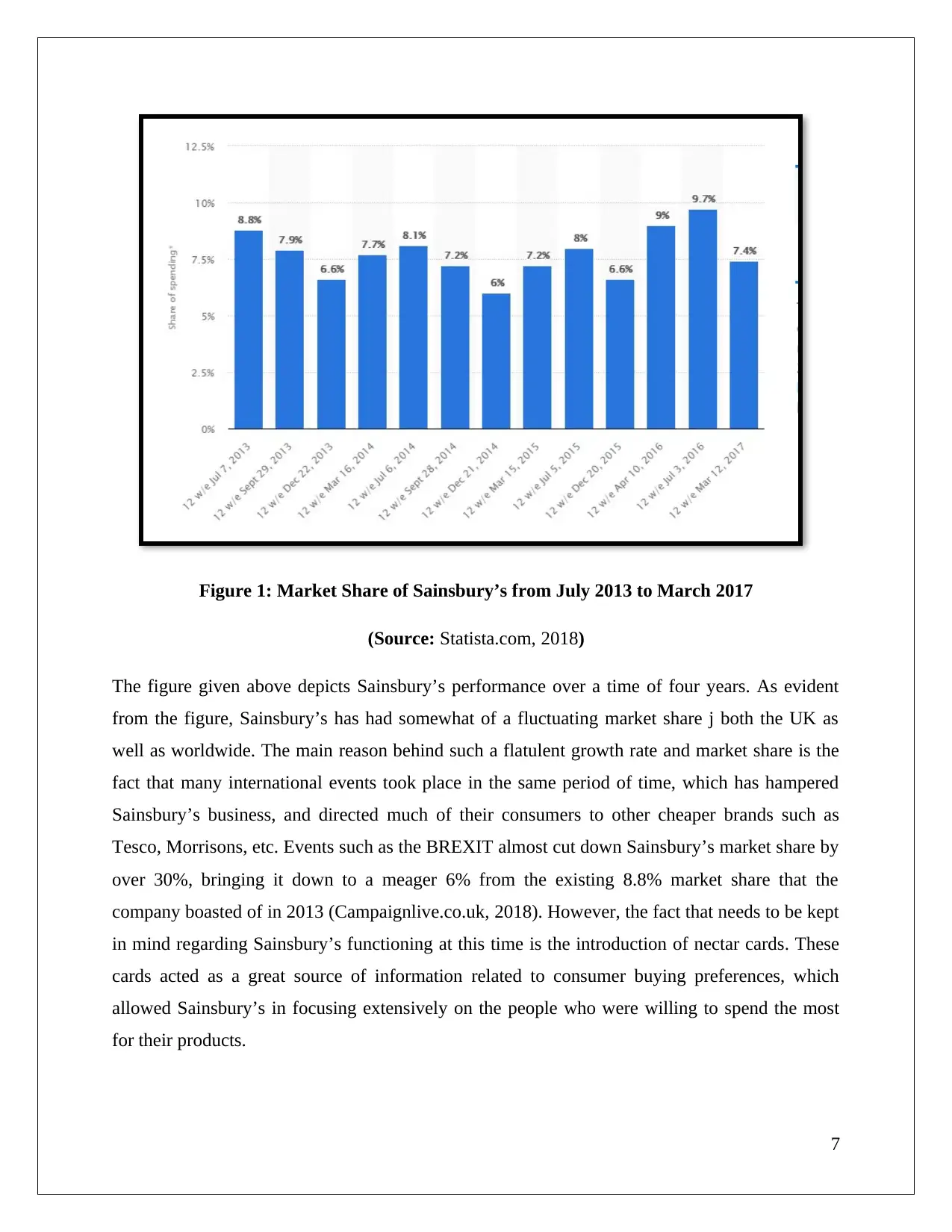
Figure 1: Market Share of Sainsbury’s from July 2013 to March 2017
(Source: Statista.com, 2018)
The figure given above depicts Sainsbury’s performance over a time of four years. As evident
from the figure, Sainsbury’s has had somewhat of a fluctuating market share j both the UK as
well as worldwide. The main reason behind such a flatulent growth rate and market share is the
fact that many international events took place in the same period of time, which has hampered
Sainsbury’s business, and directed much of their consumers to other cheaper brands such as
Tesco, Morrisons, etc. Events such as the BREXIT almost cut down Sainsbury’s market share by
over 30%, bringing it down to a meager 6% from the existing 8.8% market share that the
company boasted of in 2013 (Campaignlive.co.uk, 2018). However, the fact that needs to be kept
in mind regarding Sainsbury’s functioning at this time is the introduction of nectar cards. These
cards acted as a great source of information related to consumer buying preferences, which
allowed Sainsbury’s in focusing extensively on the people who were willing to spend the most
for their products.
7
(Source: Statista.com, 2018)
The figure given above depicts Sainsbury’s performance over a time of four years. As evident
from the figure, Sainsbury’s has had somewhat of a fluctuating market share j both the UK as
well as worldwide. The main reason behind such a flatulent growth rate and market share is the
fact that many international events took place in the same period of time, which has hampered
Sainsbury’s business, and directed much of their consumers to other cheaper brands such as
Tesco, Morrisons, etc. Events such as the BREXIT almost cut down Sainsbury’s market share by
over 30%, bringing it down to a meager 6% from the existing 8.8% market share that the
company boasted of in 2013 (Campaignlive.co.uk, 2018). However, the fact that needs to be kept
in mind regarding Sainsbury’s functioning at this time is the introduction of nectar cards. These
cards acted as a great source of information related to consumer buying preferences, which
allowed Sainsbury’s in focusing extensively on the people who were willing to spend the most
for their products.
7
Paraphrase This Document
Need a fresh take? Get an instant paraphrase of this document with our AI Paraphraser
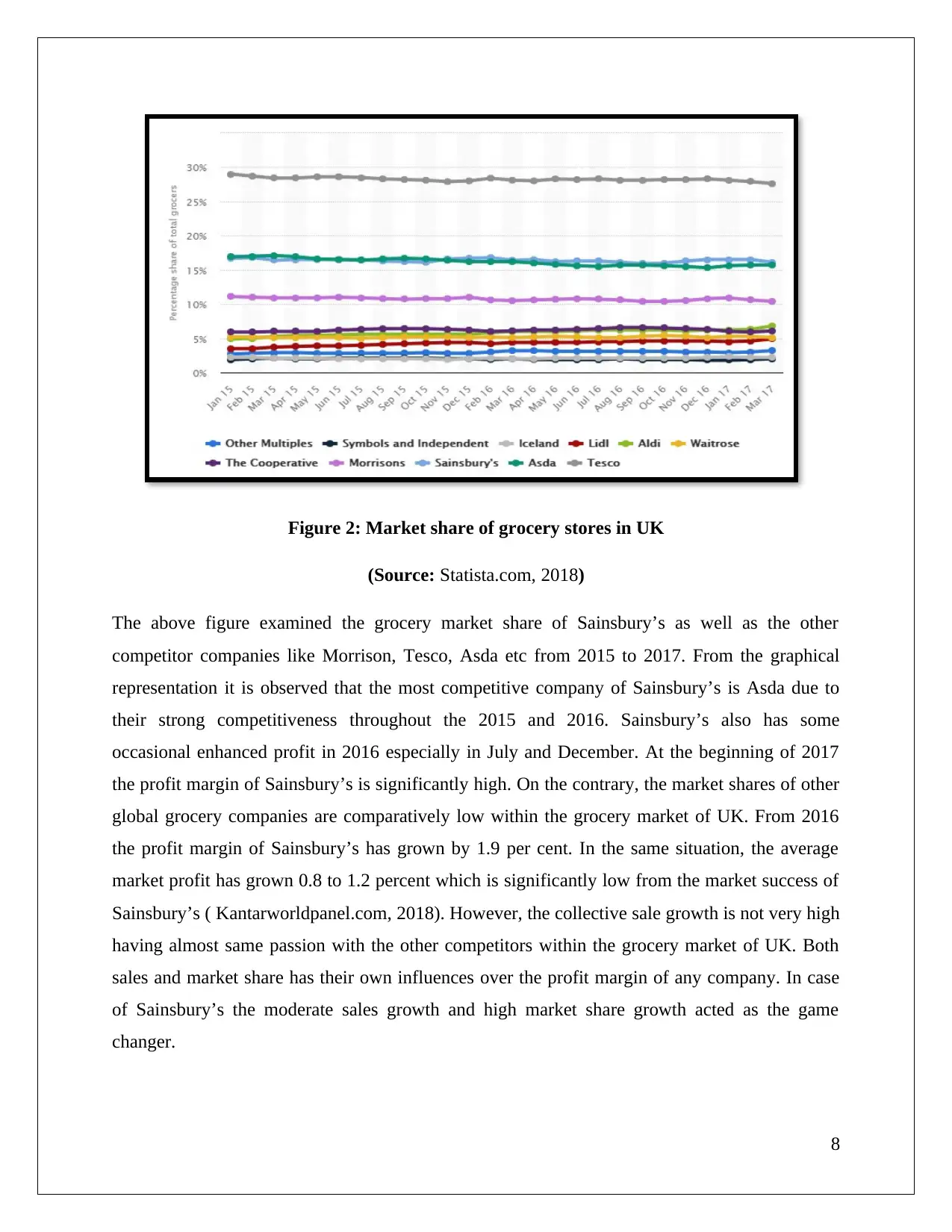
Figure 2: Market share of grocery stores in UK
(Source: Statista.com, 2018)
The above figure examined the grocery market share of Sainsbury’s as well as the other
competitor companies like Morrison, Tesco, Asda etc from 2015 to 2017. From the graphical
representation it is observed that the most competitive company of Sainsbury’s is Asda due to
their strong competitiveness throughout the 2015 and 2016. Sainsbury’s also has some
occasional enhanced profit in 2016 especially in July and December. At the beginning of 2017
the profit margin of Sainsbury’s is significantly high. On the contrary, the market shares of other
global grocery companies are comparatively low within the grocery market of UK. From 2016
the profit margin of Sainsbury’s has grown by 1.9 per cent. In the same situation, the average
market profit has grown 0.8 to 1.2 percent which is significantly low from the market success of
Sainsbury’s ( Kantarworldpanel.com, 2018). However, the collective sale growth is not very high
having almost same passion with the other competitors within the grocery market of UK. Both
sales and market share has their own influences over the profit margin of any company. In case
of Sainsbury’s the moderate sales growth and high market share growth acted as the game
changer.
8
(Source: Statista.com, 2018)
The above figure examined the grocery market share of Sainsbury’s as well as the other
competitor companies like Morrison, Tesco, Asda etc from 2015 to 2017. From the graphical
representation it is observed that the most competitive company of Sainsbury’s is Asda due to
their strong competitiveness throughout the 2015 and 2016. Sainsbury’s also has some
occasional enhanced profit in 2016 especially in July and December. At the beginning of 2017
the profit margin of Sainsbury’s is significantly high. On the contrary, the market shares of other
global grocery companies are comparatively low within the grocery market of UK. From 2016
the profit margin of Sainsbury’s has grown by 1.9 per cent. In the same situation, the average
market profit has grown 0.8 to 1.2 percent which is significantly low from the market success of
Sainsbury’s ( Kantarworldpanel.com, 2018). However, the collective sale growth is not very high
having almost same passion with the other competitors within the grocery market of UK. Both
sales and market share has their own influences over the profit margin of any company. In case
of Sainsbury’s the moderate sales growth and high market share growth acted as the game
changer.
8
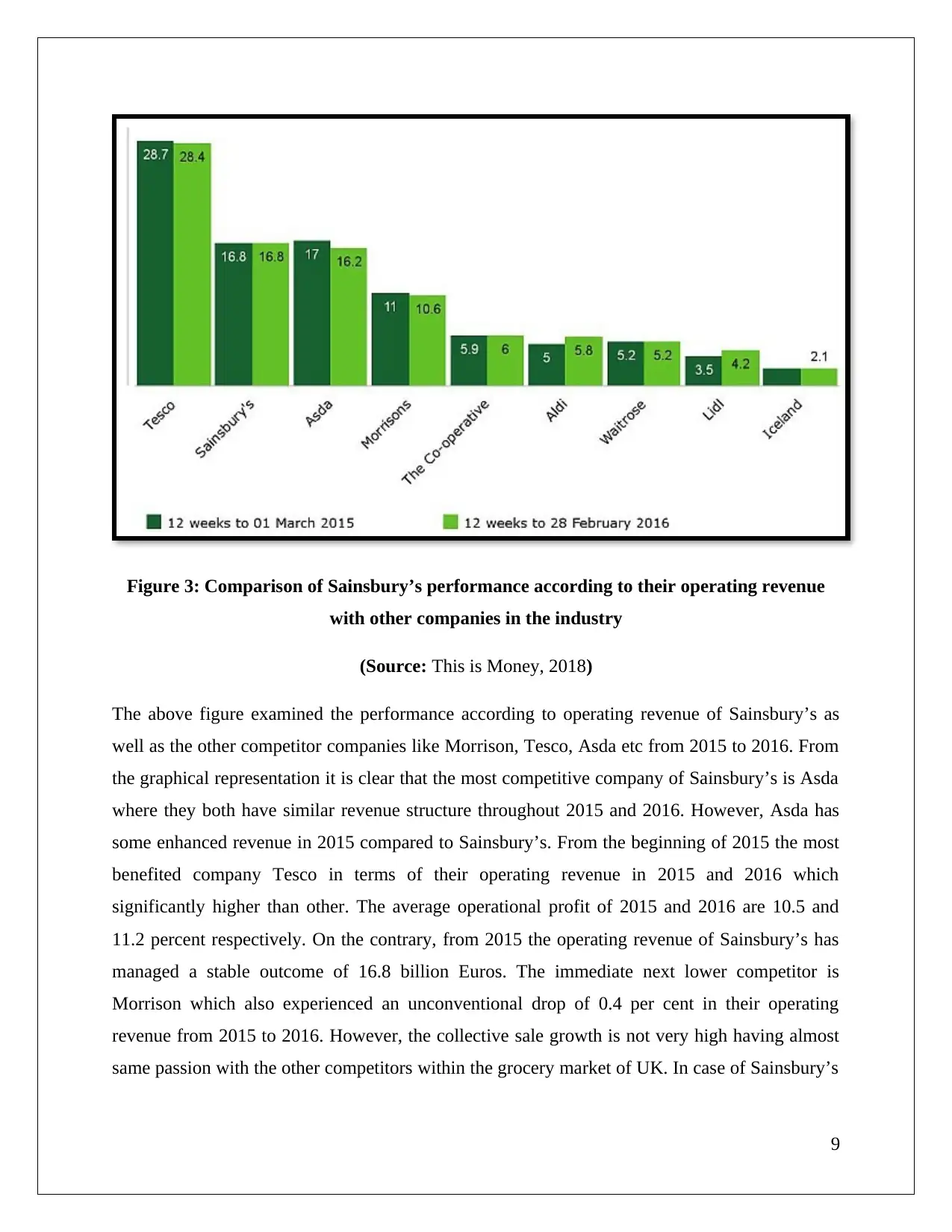
Figure 3: Comparison of Sainsbury’s performance according to their operating revenue
with other companies in the industry
(Source: This is Money, 2018)
The above figure examined the performance according to operating revenue of Sainsbury’s as
well as the other competitor companies like Morrison, Tesco, Asda etc from 2015 to 2016. From
the graphical representation it is clear that the most competitive company of Sainsbury’s is Asda
where they both have similar revenue structure throughout 2015 and 2016. However, Asda has
some enhanced revenue in 2015 compared to Sainsbury’s. From the beginning of 2015 the most
benefited company Tesco in terms of their operating revenue in 2015 and 2016 which
significantly higher than other. The average operational profit of 2015 and 2016 are 10.5 and
11.2 percent respectively. On the contrary, from 2015 the operating revenue of Sainsbury’s has
managed a stable outcome of 16.8 billion Euros. The immediate next lower competitor is
Morrison which also experienced an unconventional drop of 0.4 per cent in their operating
revenue from 2015 to 2016. However, the collective sale growth is not very high having almost
same passion with the other competitors within the grocery market of UK. In case of Sainsbury’s
9
with other companies in the industry
(Source: This is Money, 2018)
The above figure examined the performance according to operating revenue of Sainsbury’s as
well as the other competitor companies like Morrison, Tesco, Asda etc from 2015 to 2016. From
the graphical representation it is clear that the most competitive company of Sainsbury’s is Asda
where they both have similar revenue structure throughout 2015 and 2016. However, Asda has
some enhanced revenue in 2015 compared to Sainsbury’s. From the beginning of 2015 the most
benefited company Tesco in terms of their operating revenue in 2015 and 2016 which
significantly higher than other. The average operational profit of 2015 and 2016 are 10.5 and
11.2 percent respectively. On the contrary, from 2015 the operating revenue of Sainsbury’s has
managed a stable outcome of 16.8 billion Euros. The immediate next lower competitor is
Morrison which also experienced an unconventional drop of 0.4 per cent in their operating
revenue from 2015 to 2016. However, the collective sale growth is not very high having almost
same passion with the other competitors within the grocery market of UK. In case of Sainsbury’s
9
⊘ This is a preview!⊘
Do you want full access?
Subscribe today to unlock all pages.
Trusted by 1+ million students worldwide
the stable profit and sales growth have strong impact on their annual income and revenue in
hand.
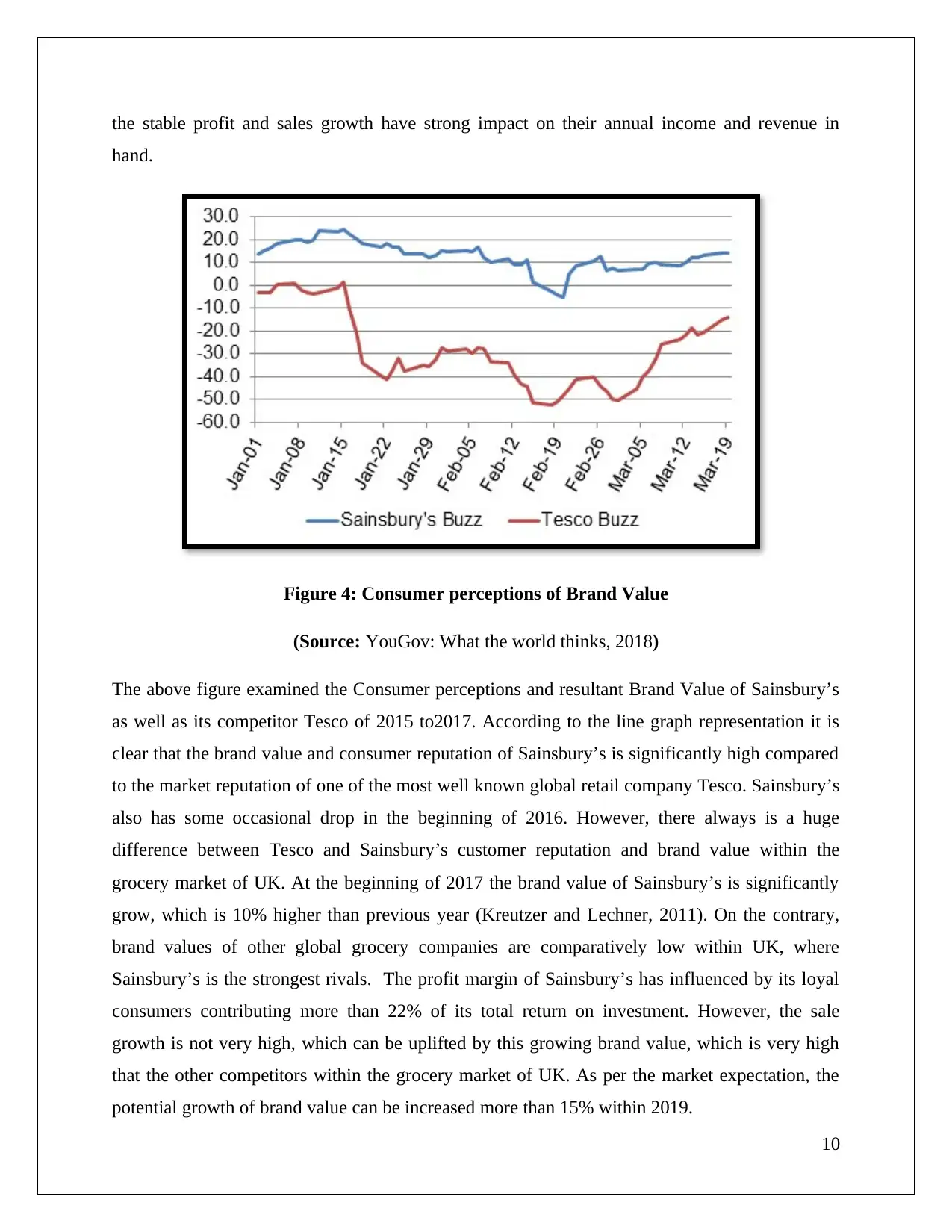
Figure 4: Consumer perceptions of Brand Value
(Source: YouGov: What the world thinks, 2018)
The above figure examined the Consumer perceptions and resultant Brand Value of Sainsbury’s
as well as its competitor Tesco of 2015 to2017. According to the line graph representation it is
clear that the brand value and consumer reputation of Sainsbury’s is significantly high compared
to the market reputation of one of the most well known global retail company Tesco. Sainsbury’s
also has some occasional drop in the beginning of 2016. However, there always is a huge
difference between Tesco and Sainsbury’s customer reputation and brand value within the
grocery market of UK. At the beginning of 2017 the brand value of Sainsbury’s is significantly
grow, which is 10% higher than previous year (Kreutzer and Lechner, 2011). On the contrary,
brand values of other global grocery companies are comparatively low within UK, where
Sainsbury’s is the strongest rivals. The profit margin of Sainsbury’s has influenced by its loyal
consumers contributing more than 22% of its total return on investment. However, the sale
growth is not very high, which can be uplifted by this growing brand value, which is very high
that the other competitors within the grocery market of UK. As per the market expectation, the
potential growth of brand value can be increased more than 15% within 2019.
10
hand.
Figure 4: Consumer perceptions of Brand Value
(Source: YouGov: What the world thinks, 2018)
The above figure examined the Consumer perceptions and resultant Brand Value of Sainsbury’s
as well as its competitor Tesco of 2015 to2017. According to the line graph representation it is
clear that the brand value and consumer reputation of Sainsbury’s is significantly high compared
to the market reputation of one of the most well known global retail company Tesco. Sainsbury’s
also has some occasional drop in the beginning of 2016. However, there always is a huge
difference between Tesco and Sainsbury’s customer reputation and brand value within the
grocery market of UK. At the beginning of 2017 the brand value of Sainsbury’s is significantly
grow, which is 10% higher than previous year (Kreutzer and Lechner, 2011). On the contrary,
brand values of other global grocery companies are comparatively low within UK, where
Sainsbury’s is the strongest rivals. The profit margin of Sainsbury’s has influenced by its loyal
consumers contributing more than 22% of its total return on investment. However, the sale
growth is not very high, which can be uplifted by this growing brand value, which is very high
that the other competitors within the grocery market of UK. As per the market expectation, the
potential growth of brand value can be increased more than 15% within 2019.
10
Paraphrase This Document
Need a fresh take? Get an instant paraphrase of this document with our AI Paraphraser
Issues needs to consider by Sainsbury when trading across borders
With the increase in the globalization, there has been increase in the cross border trade. In
respect to the trading cross border there are many limitations that the organization has to
overcome to operate the business successfully. The organization has to follow mitigate the
limitation, if it wants to operate the business successfully in other markets (Deresky, 2017). The
government of all the countries have made strict international laws, due to which the companies
needs to focus on different aspects of foreign trade, which is also comprised of responsibilities
and ethics. Since, Sainsbury mainly operates in the United Kingdom but at the same time, the
company operates in other parts of the world.
Knowledge can be regarded as one of the main issues, which can affect the business of the
organization. It is important for the company to have complete knowledge of the country where
they are operating or wants to operate the business. In most of the cases, it has been identified
that the company does not conducts the market research effectively, due to which the companies
are not able to detect any risks and at the same time, they are not able to eliminate the potential
risks. This is also the similar in the case of Sainsbury, as it has many retail stores in different
parts of the world. There are many countries, where the economic situation fluctuates frequently
and it becomes important for the international business to pay proper attention to the rules and
regulation of the different countries to operate the business in the international market (Gilpin,
2016).
According to some officials, it has been indentified that Sainsbury conducts markets research to
ascertain the political condition and the physical condition of the country. Due to this, the
company has to focus on some factors such as acceptance, climate, hygiene and the other factors.
In addition to this, if the political condition of the country is unstable then the organization will
not be able to operate the business successfully. In addition to this, the company has to focus on
the buying preference of the customers, consumer behavior and trade policies existing in the
particular country (Ruddick, 2018).
In order to expand the business effectively, Sainsbury has to focus to mitigate the language and
cultural barrier. Sainsbury is one of the largest retail store has to understand the cultural values of
the customers in the particular country. The company has to focus on language of the country.
Before implementing the strategy, the company should ensure the exact needs and requirements
11
With the increase in the globalization, there has been increase in the cross border trade. In
respect to the trading cross border there are many limitations that the organization has to
overcome to operate the business successfully. The organization has to follow mitigate the
limitation, if it wants to operate the business successfully in other markets (Deresky, 2017). The
government of all the countries have made strict international laws, due to which the companies
needs to focus on different aspects of foreign trade, which is also comprised of responsibilities
and ethics. Since, Sainsbury mainly operates in the United Kingdom but at the same time, the
company operates in other parts of the world.
Knowledge can be regarded as one of the main issues, which can affect the business of the
organization. It is important for the company to have complete knowledge of the country where
they are operating or wants to operate the business. In most of the cases, it has been identified
that the company does not conducts the market research effectively, due to which the companies
are not able to detect any risks and at the same time, they are not able to eliminate the potential
risks. This is also the similar in the case of Sainsbury, as it has many retail stores in different
parts of the world. There are many countries, where the economic situation fluctuates frequently
and it becomes important for the international business to pay proper attention to the rules and
regulation of the different countries to operate the business in the international market (Gilpin,
2016).
According to some officials, it has been indentified that Sainsbury conducts markets research to
ascertain the political condition and the physical condition of the country. Due to this, the
company has to focus on some factors such as acceptance, climate, hygiene and the other factors.
In addition to this, if the political condition of the country is unstable then the organization will
not be able to operate the business successfully. In addition to this, the company has to focus on
the buying preference of the customers, consumer behavior and trade policies existing in the
particular country (Ruddick, 2018).
In order to expand the business effectively, Sainsbury has to focus to mitigate the language and
cultural barrier. Sainsbury is one of the largest retail store has to understand the cultural values of
the customers in the particular country. The company has to focus on language of the country.
Before implementing the strategy, the company should ensure the exact needs and requirements
11
of the targeted customers in the marketplace. In addition to this, in order to operate the business
effectively, Sainsbury has to focus on body language and etiquettes, which will help the
company to build strong relation with the customers (Hirst et al., 2015). Language barrier can be
considered as one of the major hurdles that the company can face in any country. From the past
reports, it has been found that Sainsbury face several issues while operating the trade mostly in
the cross-borders. In order to develop the business in the right way, the company needs to
conduct the promotional activities in local languages. This will directly help the company to
attract large number of customers from the targeted market.
Legal compilations can be a major issue while initiating cross border business. Cross border
business opens up door for more profitability and benefit. Despite mixed economic outlook,
cross border opportunities are considered to be high (Seid, 2018). However, a company may
face some major dilemma regarding cross border business due to legal complicities. For
example, cross boarder transactions can be a major complicated task and may require efficient
legal advisory body for this purpose.
Different types of business culture and legal environment create the risk of confusion when the
company trades globally. Sainsbury has also faced some major challenges while trading
overseas. For example, a Chief Executive of Sainsbury has been termed a two years jail in Egypt.
He was accused of embezzlement for the allegedly trying for ceasing cheques which are linked
to a famous Egyptian business in which the company has invested for nearly 16 long years
(Ruddick, 2018). The company did not realize the importance of informing the city of the legal
proceeding at earlier stage. The company also has faced some other major legal dilemma in
cross border trading.
It becomes a major dilemma for the company to deal with such legal issues. In a foreign land
lodging complains against such fraudulent local organizations and finding a proper legal advisor
is a major task. Dealing with legal issues in a foreign land is an extremely difficult task as the
legal policies are different in a foreign land. The Management of the company needs to have
clear idea company has to have proper idea of acts and regulations of the foreign land.
Otherwise, the company may fall start facing different legal issues with having a bit
preconceived idea of it. The huge difference between acts in two nations makes it to difficult task
to avoid such activities that can lead into creating legal violation. Therefore, cross boarder
12
effectively, Sainsbury has to focus on body language and etiquettes, which will help the
company to build strong relation with the customers (Hirst et al., 2015). Language barrier can be
considered as one of the major hurdles that the company can face in any country. From the past
reports, it has been found that Sainsbury face several issues while operating the trade mostly in
the cross-borders. In order to develop the business in the right way, the company needs to
conduct the promotional activities in local languages. This will directly help the company to
attract large number of customers from the targeted market.
Legal compilations can be a major issue while initiating cross border business. Cross border
business opens up door for more profitability and benefit. Despite mixed economic outlook,
cross border opportunities are considered to be high (Seid, 2018). However, a company may
face some major dilemma regarding cross border business due to legal complicities. For
example, cross boarder transactions can be a major complicated task and may require efficient
legal advisory body for this purpose.
Different types of business culture and legal environment create the risk of confusion when the
company trades globally. Sainsbury has also faced some major challenges while trading
overseas. For example, a Chief Executive of Sainsbury has been termed a two years jail in Egypt.
He was accused of embezzlement for the allegedly trying for ceasing cheques which are linked
to a famous Egyptian business in which the company has invested for nearly 16 long years
(Ruddick, 2018). The company did not realize the importance of informing the city of the legal
proceeding at earlier stage. The company also has faced some other major legal dilemma in
cross border trading.
It becomes a major dilemma for the company to deal with such legal issues. In a foreign land
lodging complains against such fraudulent local organizations and finding a proper legal advisor
is a major task. Dealing with legal issues in a foreign land is an extremely difficult task as the
legal policies are different in a foreign land. The Management of the company needs to have
clear idea company has to have proper idea of acts and regulations of the foreign land.
Otherwise, the company may fall start facing different legal issues with having a bit
preconceived idea of it. The huge difference between acts in two nations makes it to difficult task
to avoid such activities that can lead into creating legal violation. Therefore, cross boarder
12
⊘ This is a preview!⊘
Do you want full access?
Subscribe today to unlock all pages.
Trusted by 1+ million students worldwide

1 out of 20


Related Documents


Your All-in-One AI-Powered Toolkit for Academic Success.
+13062052269
info@desklib.com
Available 24*7 on WhatsApp / Email
![[object Object]](/_next/static/media/star-bottom.7253800d.svg)
Unlock your academic potential
Copyright © 2020–2026 A2Z Services. All Rights Reserved. Developed and managed by ZUCOL.