Education's Impact on Singapore's Economic Development (1965-1990)
VerifiedAdded on 2022/08/25
|18
|4590
|15
Report
AI Summary
This report provides a comprehensive analysis of Singapore's economic development from 1965 to 1990, focusing on the pivotal role of education. It begins by outlining Singapore's transition from a British colony to an independent republic, highlighting the economic challenges faced during its early years. The report then delves into the significance of education in driving industrialization, fostering a skilled workforce, and achieving significant GDP growth. It examines the implementation of bilingualism, the expansion of educational opportunities, and the government's investment in technical training programs. The report also explores the challenges Singapore faced after 1990, including globalization and trade practices, and how the development state has been used to face the growing challenge. The report uses figures to illustrate trends in enrollment, GDP values, and the impact of education on the economy. Overall, the report demonstrates how Singapore's strategic investment in education was instrumental in transforming its economy and overcoming various obstacles.
Running head: ECONOMICS
ECONOMICS
Name of Student:
Name of University:
Author Note:
ECONOMICS
Name of Student:
Name of University:
Author Note:

Paraphrase This Document
Need a fresh take? Get an instant paraphrase of this document with our AI Paraphraser
Changes in relation to the economic development in Singapore
Singapore became a separate British Colony in 1946 and attained self-governance in
1959. After this, in 1963 Singapore effectively joined the Federation of Malaya, Sarawak and
Sabah in order to form Malaysia. At the same time, policy of confrontation has been adopted by
Indonesia against Malaysia. Trade of goods were prohibited that operated within the Indonesian
region. Singapore was highly effected by the outcome as Indonesia served as the second largest
trading partner in the island. As a result, Singapore was separated from Malaysia in 1963 and
since then Singapore operated as an independent republic. This had led to occurrence of several
economic problems that lowered trading structure of the Singapore economy.
Q1: Role of education in Singapore’s development state during 1965-1989
The after effect of the Pacific War in 1945 caused grave social and economic disturbance
for the people of Singapore. The economy performed very slowly during the development phases
of 1960s after which several transformations occurred that strengthened the economic. Singapore
has effectively developed its education system. Singapore’s growth rate has been the biggest as
compared to other OCED countries where most of the improvement occurred during the
development phases where education was the prime parameter (Lai and Samers 2017). The aim
of the paper is understand the changes made in the economic development of Singapore with
respect to education.
The supremacy of the British people was totally shattered after the Pacific War of 1945
as people clamored for economic opportunities and political freedom. The economic
performance slowed down due to frequent industrial strikes, closure of British firms, out flow of
British capital, housing shortages and high rate of unemployment. The government did not
Singapore became a separate British Colony in 1946 and attained self-governance in
1959. After this, in 1963 Singapore effectively joined the Federation of Malaya, Sarawak and
Sabah in order to form Malaysia. At the same time, policy of confrontation has been adopted by
Indonesia against Malaysia. Trade of goods were prohibited that operated within the Indonesian
region. Singapore was highly effected by the outcome as Indonesia served as the second largest
trading partner in the island. As a result, Singapore was separated from Malaysia in 1963 and
since then Singapore operated as an independent republic. This had led to occurrence of several
economic problems that lowered trading structure of the Singapore economy.
Q1: Role of education in Singapore’s development state during 1965-1989
The after effect of the Pacific War in 1945 caused grave social and economic disturbance
for the people of Singapore. The economy performed very slowly during the development phases
of 1960s after which several transformations occurred that strengthened the economic. Singapore
has effectively developed its education system. Singapore’s growth rate has been the biggest as
compared to other OCED countries where most of the improvement occurred during the
development phases where education was the prime parameter (Lai and Samers 2017). The aim
of the paper is understand the changes made in the economic development of Singapore with
respect to education.
The supremacy of the British people was totally shattered after the Pacific War of 1945
as people clamored for economic opportunities and political freedom. The economic
performance slowed down due to frequent industrial strikes, closure of British firms, out flow of
British capital, housing shortages and high rate of unemployment. The government did not
support the Chinese schools and encouraged more of English-stream schools. Chinese education
system was considered under-privileged with no opportunities for tertiary education or
employment in the civil service. From 1965, Singapore became a sovereign state and started
designing ways to improve industrialization which was very difficult due to long periods of
colonialism and imbalanced economic structure. Economist Raul Prebisch recommended for a
strongly developed policy, Import Substitution Industrialization (ISI) to decrease the dependence
on the imported ports. This was possible by a small scale production of non-durable consumer
goods with the usage of unskilled labor and unsophisticated technology (Shatkin 2014).
This led to a transition for capital goods production such that the manufactured ports
were replaced with components, raw material and capital goods, which dramatically reduced the
size of domestic market. Although the employment rate went up in 1960s, the manufacturing
sector remained stagnant at about 12 percent gross domestic product (GDP). Manufacturing
activities were limited to light engineering, printing, processing, marine engineering and
assembly of vehicles. This system has effectively improved the economic performance of
Singapore.
Focus was given for the expansion of industrial base with a large amount of export
oriented (EOI) manufacturing activities. The industrial base was limited and economic growth
was possible with the creation of an efficient manufacturing sector. Singapore did not have much
availability of natural resources and they wanted to adopt policies that can support the EOI
strategy. The key solution to these core problem was the adoption of an efficient education
system that can lead to the establishment of technically trained and literate workforce (Gulsrud
and Ooi 2014). Education was used as the most effective tool the meet with the political and
ethnic primordial interests. Priority was given for the establishment of a strong education system
system was considered under-privileged with no opportunities for tertiary education or
employment in the civil service. From 1965, Singapore became a sovereign state and started
designing ways to improve industrialization which was very difficult due to long periods of
colonialism and imbalanced economic structure. Economist Raul Prebisch recommended for a
strongly developed policy, Import Substitution Industrialization (ISI) to decrease the dependence
on the imported ports. This was possible by a small scale production of non-durable consumer
goods with the usage of unskilled labor and unsophisticated technology (Shatkin 2014).
This led to a transition for capital goods production such that the manufactured ports
were replaced with components, raw material and capital goods, which dramatically reduced the
size of domestic market. Although the employment rate went up in 1960s, the manufacturing
sector remained stagnant at about 12 percent gross domestic product (GDP). Manufacturing
activities were limited to light engineering, printing, processing, marine engineering and
assembly of vehicles. This system has effectively improved the economic performance of
Singapore.
Focus was given for the expansion of industrial base with a large amount of export
oriented (EOI) manufacturing activities. The industrial base was limited and economic growth
was possible with the creation of an efficient manufacturing sector. Singapore did not have much
availability of natural resources and they wanted to adopt policies that can support the EOI
strategy. The key solution to these core problem was the adoption of an efficient education
system that can lead to the establishment of technically trained and literate workforce (Gulsrud
and Ooi 2014). Education was used as the most effective tool the meet with the political and
ethnic primordial interests. Priority was given for the establishment of a strong education system
⊘ This is a preview!⊘
Do you want full access?
Subscribe today to unlock all pages.

Trusted by 1+ million students worldwide
that can lead to economic development. The establishment of new skills and work attitudes was
followed by the formulation of a convenient path. The education system was identified as the as
the only way out to drive out inefficiencies. The government effectively understood the need for
at least 6 years of education from the age of six, without discriminating children on the basis of
language, religion, wealth, sex or status. By the end of 1989, Singapore attracted various
businesses due to attainment of technical efficiency due to investment in education in initial
periods.
The key component was identified as Bilingualism and learning second language became
a compulsory subject, which was extended to most of the schools by 1966. In order to grab the
marketplace, the effectiveness of English literature was focused (Offord 2016). The Bilingualism
model was based on a Latin model where people had to learn English, German or Italian to
facilitate smooth communication and encourage economic development (Economic
Development Board Mauritius. 2020). Singapore adopted for a Five Year Plan in the period,
1961-1965 to upgrade the education standard and provide universal free primary education. The
aim was to treat people equally by emphasizing on the study of science, mathematics and various
other technological subjects to develop an understanding of the markets. Subjects like Tamil,
Malay, English and Chinese were equally treated. This created equal opportunities for the people
and they generated a new system that was effectively based on forward looking modern policies.
Although the government continuously provided a vernacular education system for the people,
there aroused a tendency in parents to enroll their students in English language schools.
In 1959, about 47 percent of the children attained the English medium schools and the
rest went to primary schools. By the end the 1979, the enrollment of children in English medium
followed by the formulation of a convenient path. The education system was identified as the as
the only way out to drive out inefficiencies. The government effectively understood the need for
at least 6 years of education from the age of six, without discriminating children on the basis of
language, religion, wealth, sex or status. By the end of 1989, Singapore attracted various
businesses due to attainment of technical efficiency due to investment in education in initial
periods.
The key component was identified as Bilingualism and learning second language became
a compulsory subject, which was extended to most of the schools by 1966. In order to grab the
marketplace, the effectiveness of English literature was focused (Offord 2016). The Bilingualism
model was based on a Latin model where people had to learn English, German or Italian to
facilitate smooth communication and encourage economic development (Economic
Development Board Mauritius. 2020). Singapore adopted for a Five Year Plan in the period,
1961-1965 to upgrade the education standard and provide universal free primary education. The
aim was to treat people equally by emphasizing on the study of science, mathematics and various
other technological subjects to develop an understanding of the markets. Subjects like Tamil,
Malay, English and Chinese were equally treated. This created equal opportunities for the people
and they generated a new system that was effectively based on forward looking modern policies.
Although the government continuously provided a vernacular education system for the people,
there aroused a tendency in parents to enroll their students in English language schools.
In 1959, about 47 percent of the children attained the English medium schools and the
rest went to primary schools. By the end the 1979, the enrollment of children in English medium
Paraphrase This Document
Need a fresh take? Get an instant paraphrase of this document with our AI Paraphraser
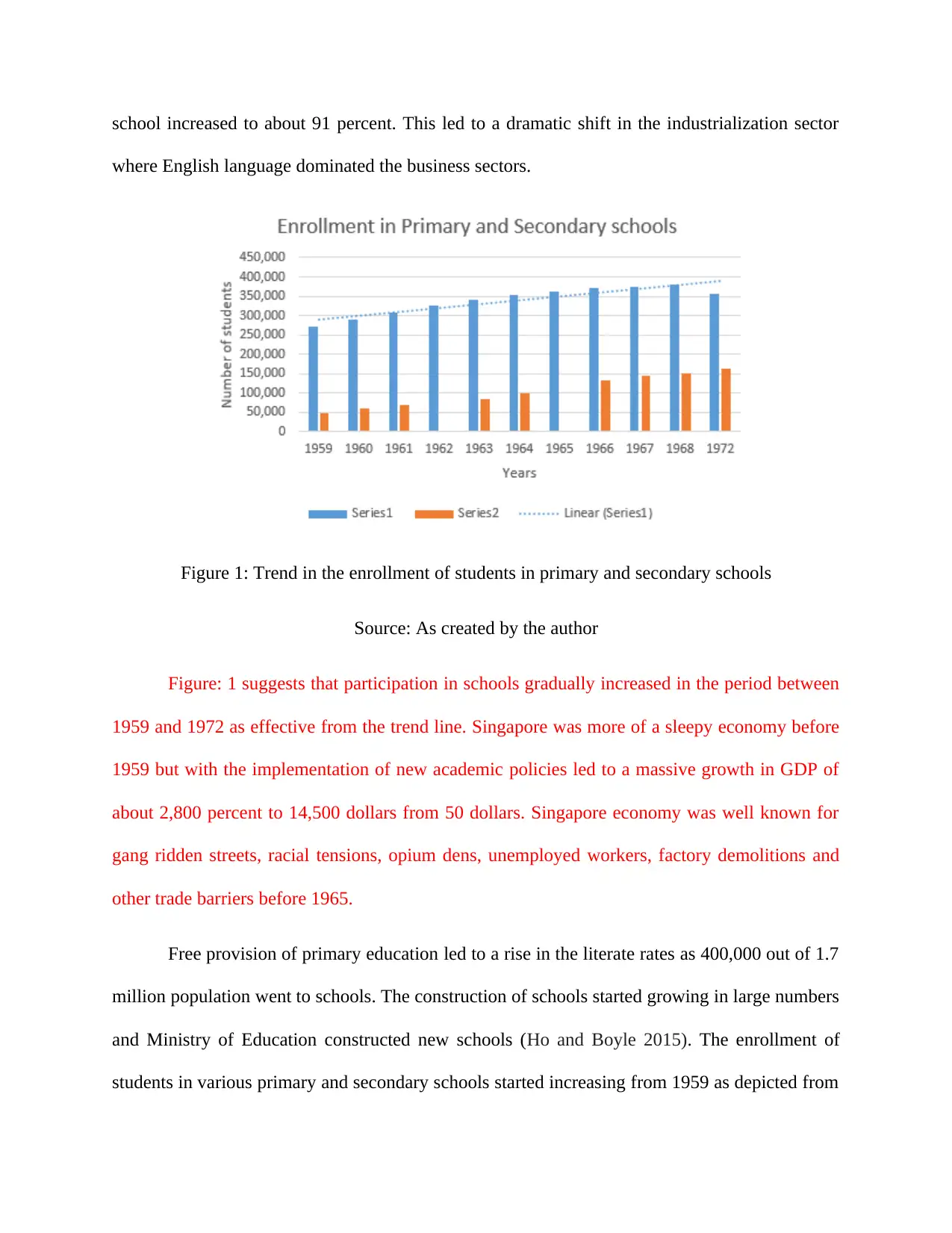
school increased to about 91 percent. This led to a dramatic shift in the industrialization sector
where English language dominated the business sectors.
Figure 1: Trend in the enrollment of students in primary and secondary schools
Source: As created by the author
Figure: 1 suggests that participation in schools gradually increased in the period between
1959 and 1972 as effective from the trend line. Singapore was more of a sleepy economy before
1959 but with the implementation of new academic policies led to a massive growth in GDP of
about 2,800 percent to 14,500 dollars from 50 dollars. Singapore economy was well known for
gang ridden streets, racial tensions, opium dens, unemployed workers, factory demolitions and
other trade barriers before 1965.
Free provision of primary education led to a rise in the literate rates as 400,000 out of 1.7
million population went to schools. The construction of schools started growing in large numbers
and Ministry of Education constructed new schools (Ho and Boyle 2015). The enrollment of
students in various primary and secondary schools started increasing from 1959 as depicted from
where English language dominated the business sectors.
Figure 1: Trend in the enrollment of students in primary and secondary schools
Source: As created by the author
Figure: 1 suggests that participation in schools gradually increased in the period between
1959 and 1972 as effective from the trend line. Singapore was more of a sleepy economy before
1959 but with the implementation of new academic policies led to a massive growth in GDP of
about 2,800 percent to 14,500 dollars from 50 dollars. Singapore economy was well known for
gang ridden streets, racial tensions, opium dens, unemployed workers, factory demolitions and
other trade barriers before 1965.
Free provision of primary education led to a rise in the literate rates as 400,000 out of 1.7
million population went to schools. The construction of schools started growing in large numbers
and Ministry of Education constructed new schools (Ho and Boyle 2015). The enrollment of
students in various primary and secondary schools started increasing from 1959 as depicted from
Figure 1, where series1 represents enrollment for primary schools and series for the secondary
schools’ enrollment. This has effectively improved the initiative of the government, although the
rates started dropping after 1968. However, the Ministry of education faced major challenges in
establishing schools because of irregular density of population in urban and rural regions
(Eresources.nlb.gov.sg. 2020). This problem was further concentrated with the preference and
selection of schools by the parents under various conditions place, language stream and personal
affiliation. The problem was solved by careful budgeting and proper planning to ensure a high
level of sufficiency in education. The government of Singapore spent 59 percent of the annual
budget on primary education, 14 percent on higher education and 27 percent on secondary
education.
Singapore saw in the rise of skilled workers in oil refinery, electro-mechanical, electro-
chemical, precision engineering, welders and machinists, service the ship building, woodworking
and metal working industries that led to rise in GDP values. This can be depicted from the figure
given below.
schools’ enrollment. This has effectively improved the initiative of the government, although the
rates started dropping after 1968. However, the Ministry of education faced major challenges in
establishing schools because of irregular density of population in urban and rural regions
(Eresources.nlb.gov.sg. 2020). This problem was further concentrated with the preference and
selection of schools by the parents under various conditions place, language stream and personal
affiliation. The problem was solved by careful budgeting and proper planning to ensure a high
level of sufficiency in education. The government of Singapore spent 59 percent of the annual
budget on primary education, 14 percent on higher education and 27 percent on secondary
education.
Singapore saw in the rise of skilled workers in oil refinery, electro-mechanical, electro-
chemical, precision engineering, welders and machinists, service the ship building, woodworking
and metal working industries that led to rise in GDP values. This can be depicted from the figure
given below.
⊘ This is a preview!⊘
Do you want full access?
Subscribe today to unlock all pages.
Trusted by 1+ million students worldwide
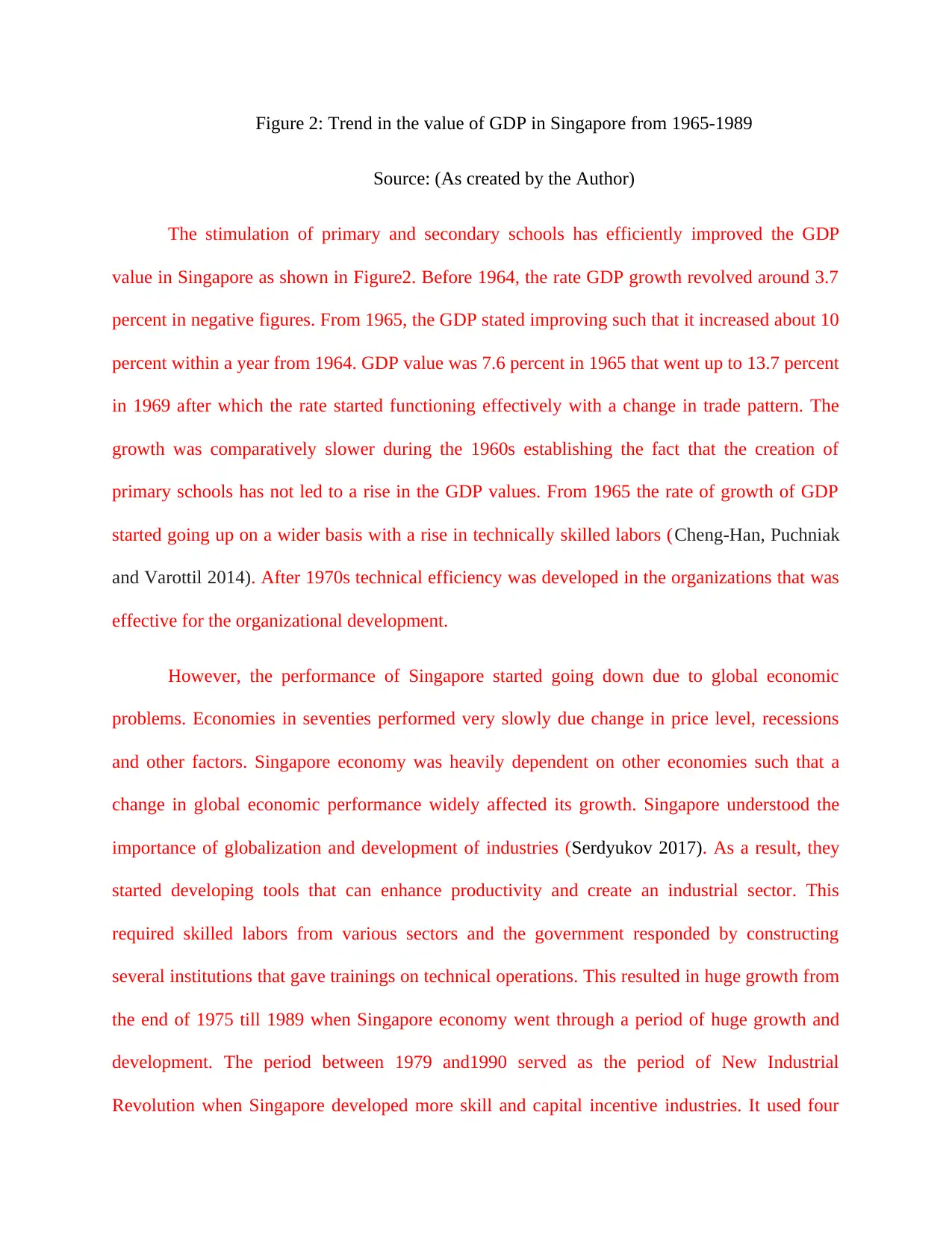
Figure 2: Trend in the value of GDP in Singapore from 1965-1989
Source: (As created by the Author)
The stimulation of primary and secondary schools has efficiently improved the GDP
value in Singapore as shown in Figure2. Before 1964, the rate GDP growth revolved around 3.7
percent in negative figures. From 1965, the GDP stated improving such that it increased about 10
percent within a year from 1964. GDP value was 7.6 percent in 1965 that went up to 13.7 percent
in 1969 after which the rate started functioning effectively with a change in trade pattern. The
growth was comparatively slower during the 1960s establishing the fact that the creation of
primary schools has not led to a rise in the GDP values. From 1965 the rate of growth of GDP
started going up on a wider basis with a rise in technically skilled labors (Cheng-Han, Puchniak
and Varottil 2014). After 1970s technical efficiency was developed in the organizations that was
effective for the organizational development.
However, the performance of Singapore started going down due to global economic
problems. Economies in seventies performed very slowly due change in price level, recessions
and other factors. Singapore economy was heavily dependent on other economies such that a
change in global economic performance widely affected its growth. Singapore understood the
importance of globalization and development of industries (Serdyukov 2017). As a result, they
started developing tools that can enhance productivity and create an industrial sector. This
required skilled labors from various sectors and the government responded by constructing
several institutions that gave trainings on technical operations. This resulted in huge growth from
the end of 1975 till 1989 when Singapore economy went through a period of huge growth and
development. The period between 1979 and1990 served as the period of New Industrial
Revolution when Singapore developed more skill and capital incentive industries. It used four
Source: (As created by the Author)
The stimulation of primary and secondary schools has efficiently improved the GDP
value in Singapore as shown in Figure2. Before 1964, the rate GDP growth revolved around 3.7
percent in negative figures. From 1965, the GDP stated improving such that it increased about 10
percent within a year from 1964. GDP value was 7.6 percent in 1965 that went up to 13.7 percent
in 1969 after which the rate started functioning effectively with a change in trade pattern. The
growth was comparatively slower during the 1960s establishing the fact that the creation of
primary schools has not led to a rise in the GDP values. From 1965 the rate of growth of GDP
started going up on a wider basis with a rise in technically skilled labors (Cheng-Han, Puchniak
and Varottil 2014). After 1970s technical efficiency was developed in the organizations that was
effective for the organizational development.
However, the performance of Singapore started going down due to global economic
problems. Economies in seventies performed very slowly due change in price level, recessions
and other factors. Singapore economy was heavily dependent on other economies such that a
change in global economic performance widely affected its growth. Singapore understood the
importance of globalization and development of industries (Serdyukov 2017). As a result, they
started developing tools that can enhance productivity and create an industrial sector. This
required skilled labors from various sectors and the government responded by constructing
several institutions that gave trainings on technical operations. This resulted in huge growth from
the end of 1975 till 1989 when Singapore economy went through a period of huge growth and
development. The period between 1979 and1990 served as the period of New Industrial
Revolution when Singapore developed more skill and capital incentive industries. It used four
Paraphrase This Document
Need a fresh take? Get an instant paraphrase of this document with our AI Paraphraser
development strategies like that of wage control, extension of training and education system and
investment promotion programs. ITB educational trainings were shifted to VITB trainings that
enhanced the future productivity. Singapore also received funds from World Bank and other
financial organizations for skill development and large scale expansion.
Q2: Challenges faced by the Singapore economy since 1990 and the how has the
development state been used Education to face the growing challenge
The biggest challenge being faced by the Singapore economy is the improvement of trade
practices and globalization. Singapore during 1065 has skill shortages, development barrier,
lower domestic supply chains, labor and capital market imperfections, coordination failures,
inadequate information, discouragement in technology and foreign direct investment. Singapore
has actively used its products and resources to be a capital intensive country where most of the
money came from the industrial sectors. The economy came to be known as the second best
capital intensive economy. The GDP from manufacturing sector increased about 8 percent since
1989 in 12 years. The effects can be seen as a rate of growth of GDP values (Shatkin 2014).
The period after 1990s serves as the most important period in terms of development
which is fuelled by a growth in service and manufacturing sector that led to the development of
several firms and businesses development. The period was marked by a boost in investment
sector with a rise in international trade that enhanced the productivity of various firms. This is
fueled by the education system of Singapore which was mainly based on the western system of
education who primarily focused on market conditions and technological parameters that can
drive cultural development. Singapore invested huge deals of money in education, infrastructure
and teaching quality that has adequately developed the teaching pattern in schools and colleges.
investment promotion programs. ITB educational trainings were shifted to VITB trainings that
enhanced the future productivity. Singapore also received funds from World Bank and other
financial organizations for skill development and large scale expansion.
Q2: Challenges faced by the Singapore economy since 1990 and the how has the
development state been used Education to face the growing challenge
The biggest challenge being faced by the Singapore economy is the improvement of trade
practices and globalization. Singapore during 1065 has skill shortages, development barrier,
lower domestic supply chains, labor and capital market imperfections, coordination failures,
inadequate information, discouragement in technology and foreign direct investment. Singapore
has actively used its products and resources to be a capital intensive country where most of the
money came from the industrial sectors. The economy came to be known as the second best
capital intensive economy. The GDP from manufacturing sector increased about 8 percent since
1989 in 12 years. The effects can be seen as a rate of growth of GDP values (Shatkin 2014).
The period after 1990s serves as the most important period in terms of development
which is fuelled by a growth in service and manufacturing sector that led to the development of
several firms and businesses development. The period was marked by a boost in investment
sector with a rise in international trade that enhanced the productivity of various firms. This is
fueled by the education system of Singapore which was mainly based on the western system of
education who primarily focused on market conditions and technological parameters that can
drive cultural development. Singapore invested huge deals of money in education, infrastructure
and teaching quality that has adequately developed the teaching pattern in schools and colleges.
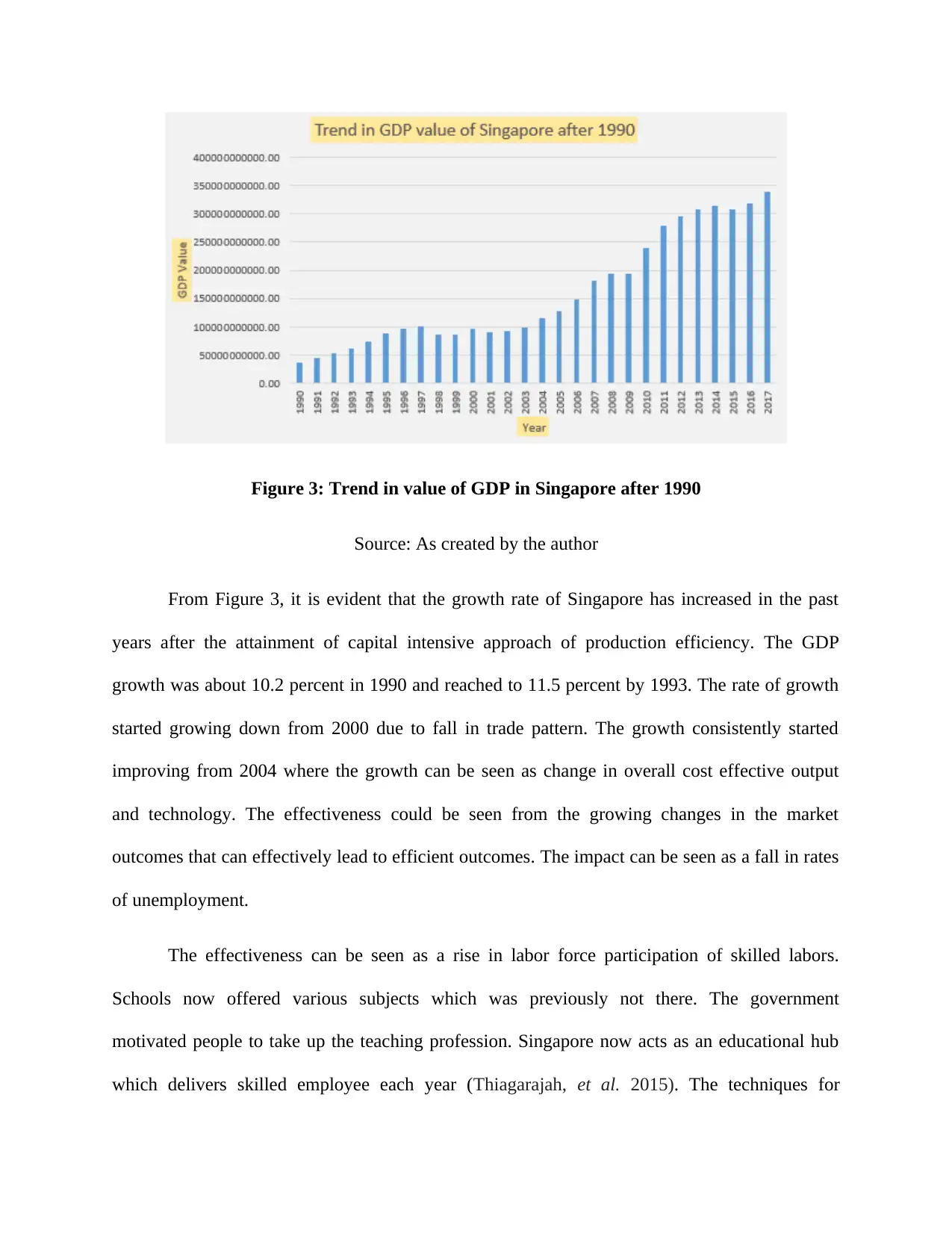
Figure 3: Trend in value of GDP in Singapore after 1990
Source: As created by the author
From Figure 3, it is evident that the growth rate of Singapore has increased in the past
years after the attainment of capital intensive approach of production efficiency. The GDP
growth was about 10.2 percent in 1990 and reached to 11.5 percent by 1993. The rate of growth
started growing down from 2000 due to fall in trade pattern. The growth consistently started
improving from 2004 where the growth can be seen as change in overall cost effective output
and technology. The effectiveness could be seen from the growing changes in the market
outcomes that can effectively lead to efficient outcomes. The impact can be seen as a fall in rates
of unemployment.
The effectiveness can be seen as a rise in labor force participation of skilled labors.
Schools now offered various subjects which was previously not there. The government
motivated people to take up the teaching profession. Singapore now acts as an educational hub
which delivers skilled employee each year (Thiagarajah, et al. 2015). The techniques for
Source: As created by the author
From Figure 3, it is evident that the growth rate of Singapore has increased in the past
years after the attainment of capital intensive approach of production efficiency. The GDP
growth was about 10.2 percent in 1990 and reached to 11.5 percent by 1993. The rate of growth
started growing down from 2000 due to fall in trade pattern. The growth consistently started
improving from 2004 where the growth can be seen as change in overall cost effective output
and technology. The effectiveness could be seen from the growing changes in the market
outcomes that can effectively lead to efficient outcomes. The impact can be seen as a fall in rates
of unemployment.
The effectiveness can be seen as a rise in labor force participation of skilled labors.
Schools now offered various subjects which was previously not there. The government
motivated people to take up the teaching profession. Singapore now acts as an educational hub
which delivers skilled employee each year (Thiagarajah, et al. 2015). The techniques for
⊘ This is a preview!⊘
Do you want full access?
Subscribe today to unlock all pages.
Trusted by 1+ million students worldwide
vocational training and other patterns were developed. Singapore has many white collar jobs
with an efficient IT system that produces goods using modern techniques. Thus, the
implementation of effective education policies by the government has acted in favor of economic
growth for Singapore. This requires an in depth understanding of things that happened in
Singapore and led to such outcomes.
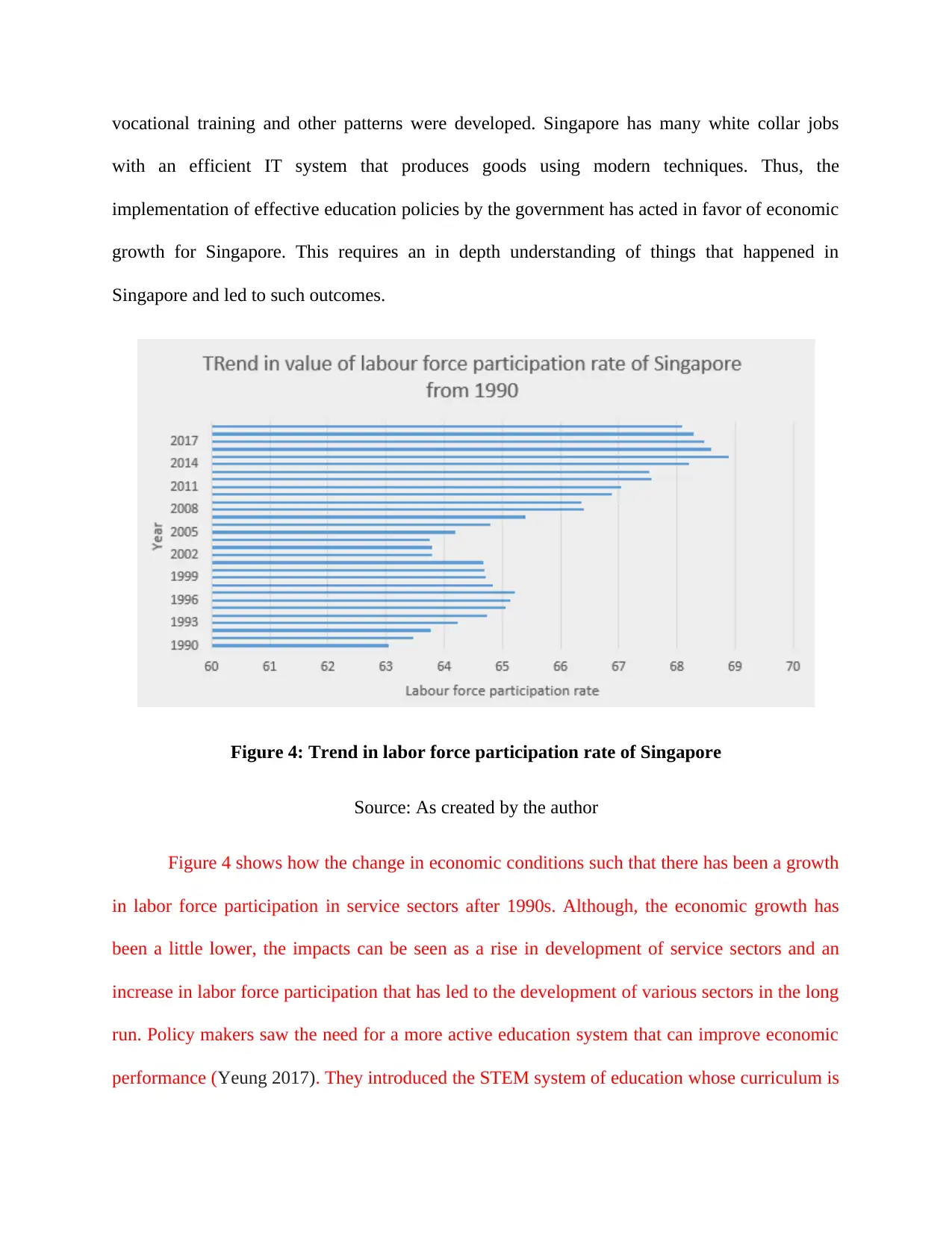
Figure 4: Trend in labor force participation rate of Singapore
Source: As created by the author
Figure 4 shows how the change in economic conditions such that there has been a growth
in labor force participation in service sectors after 1990s. Although, the economic growth has
been a little lower, the impacts can be seen as a rise in development of service sectors and an
increase in labor force participation that has led to the development of various sectors in the long
run. Policy makers saw the need for a more active education system that can improve economic
performance (Yeung 2017). They introduced the STEM system of education whose curriculum is
with an efficient IT system that produces goods using modern techniques. Thus, the
implementation of effective education policies by the government has acted in favor of economic
growth for Singapore. This requires an in depth understanding of things that happened in
Singapore and led to such outcomes.
Figure 4: Trend in labor force participation rate of Singapore
Source: As created by the author
Figure 4 shows how the change in economic conditions such that there has been a growth
in labor force participation in service sectors after 1990s. Although, the economic growth has
been a little lower, the impacts can be seen as a rise in development of service sectors and an
increase in labor force participation that has led to the development of various sectors in the long
run. Policy makers saw the need for a more active education system that can improve economic
performance (Yeung 2017). They introduced the STEM system of education whose curriculum is
Paraphrase This Document
Need a fresh take? Get an instant paraphrase of this document with our AI Paraphraser
mainly based on educating students in four specific disciplines technology, science, engineering
and mathematics. The campaign also focused on hiring teachers that has adequate knowledge
and skill in these subjects. Singapore increased its research in the creation of creative and
advanced methods of technology that led to cultural and product development. The economy
tried to attract investors and led to the stimulation of an active entrepreneurial structure who has
knowledge over business development.
Q3: Implication of the Education as an effective parameter for develop mentalism in
Singapore
The effective parameters that led to the development of Singapore is the introduction of
an effective educational system. Singapore not only provided primary, secondary and higher
education but also understood the effectiveness of a technical structure that can led to
organizational development. However, from 1990 the rate of unemployment did not fall although
the rise in rate of unemployment fell (Tan 2015). Slowly and steadily, Singapore led to
apposition with falling unemployment rate, high rate of GDP, labor force participation and rise in
globalization and foreign direct investment.
and mathematics. The campaign also focused on hiring teachers that has adequate knowledge
and skill in these subjects. Singapore increased its research in the creation of creative and
advanced methods of technology that led to cultural and product development. The economy
tried to attract investors and led to the stimulation of an active entrepreneurial structure who has
knowledge over business development.
Q3: Implication of the Education as an effective parameter for develop mentalism in
Singapore
The effective parameters that led to the development of Singapore is the introduction of
an effective educational system. Singapore not only provided primary, secondary and higher
education but also understood the effectiveness of a technical structure that can led to
organizational development. However, from 1990 the rate of unemployment did not fall although
the rise in rate of unemployment fell (Tan 2015). Slowly and steadily, Singapore led to
apposition with falling unemployment rate, high rate of GDP, labor force participation and rise in
globalization and foreign direct investment.
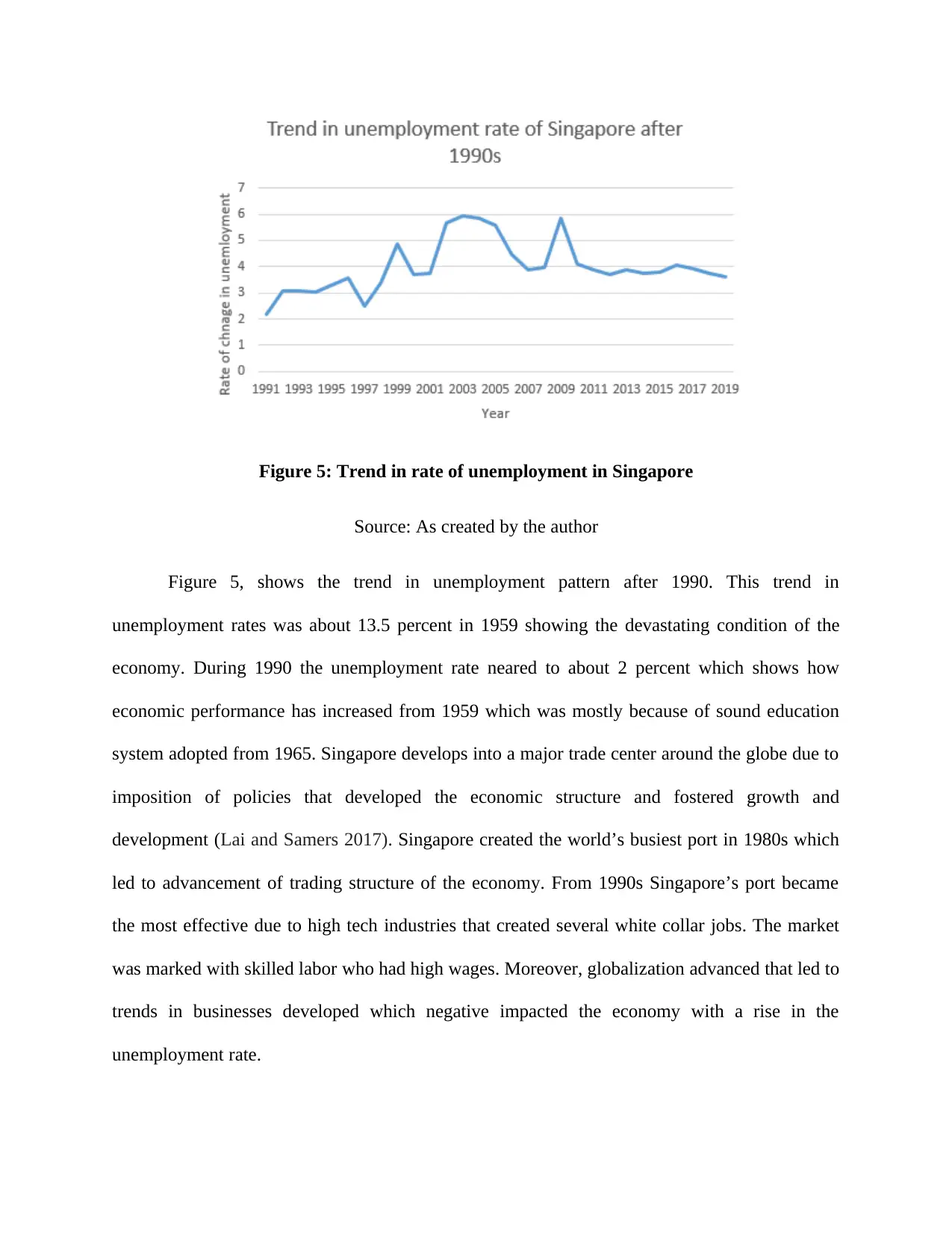
Figure 5: Trend in rate of unemployment in Singapore
Source: As created by the author
Figure 5, shows the trend in unemployment pattern after 1990. This trend in
unemployment rates was about 13.5 percent in 1959 showing the devastating condition of the
economy. During 1990 the unemployment rate neared to about 2 percent which shows how
economic performance has increased from 1959 which was mostly because of sound education
system adopted from 1965. Singapore develops into a major trade center around the globe due to
imposition of policies that developed the economic structure and fostered growth and
development (Lai and Samers 2017). Singapore created the world’s busiest port in 1980s which
led to advancement of trading structure of the economy. From 1990s Singapore’s port became
the most effective due to high tech industries that created several white collar jobs. The market
was marked with skilled labor who had high wages. Moreover, globalization advanced that led to
trends in businesses developed which negative impacted the economy with a rise in the
unemployment rate.
Source: As created by the author
Figure 5, shows the trend in unemployment pattern after 1990. This trend in
unemployment rates was about 13.5 percent in 1959 showing the devastating condition of the
economy. During 1990 the unemployment rate neared to about 2 percent which shows how
economic performance has increased from 1959 which was mostly because of sound education
system adopted from 1965. Singapore develops into a major trade center around the globe due to
imposition of policies that developed the economic structure and fostered growth and
development (Lai and Samers 2017). Singapore created the world’s busiest port in 1980s which
led to advancement of trading structure of the economy. From 1990s Singapore’s port became
the most effective due to high tech industries that created several white collar jobs. The market
was marked with skilled labor who had high wages. Moreover, globalization advanced that led to
trends in businesses developed which negative impacted the economy with a rise in the
unemployment rate.
⊘ This is a preview!⊘
Do you want full access?
Subscribe today to unlock all pages.
Trusted by 1+ million students worldwide

1 out of 18


Related Documents


Your All-in-One AI-Powered Toolkit for Academic Success.
+13062052269
info@desklib.com
Available 24*7 on WhatsApp / Email
![[object Object]](/_next/static/media/star-bottom.7253800d.svg)
Unlock your academic potential
Copyright © 2020–2026 A2Z Services. All Rights Reserved. Developed and managed by ZUCOL.