Supply Chain Management with Internet of Things: Sri Lankan Tea Study
VerifiedAdded on 2023/05/29
|68
|22517
|292
Report
AI Summary
This report focuses on supply chain management within the Sri Lankan tea industry, specifically examining the integration of the Internet of Things (IoT). The research delves into various aspects of supply chain management, emphasizing the importance of sustainability and the role of technology in enhancing efficiency. It analyzes both internal and external factors influencing sustainable changes within the supply chain and assesses the impact of technology on its overall management. The study incorporates an in-depth literature review covering supply chain management concepts, agro-supply chain specifics, sustainability principles, and the implementation of IT in supply chain processes. Furthermore, the report discusses the economic fundamentals of the Sri Lankan tea market and explores the opportunities presented by new technologies in e-SCM. The research methodology includes primary data collection and the use of the Likert scale for data analysis, with findings presented through charts, graphs, and tables. The report concludes with a summary of findings and recommendations for future research, offering insights into the challenges and opportunities within the Sri Lankan tea industry.
Running head: SUPPLY CHAIN MANAGEMENT WITH INTERNET OF THINGS
Supply Chain Management with Internet of things– Using the Sri
Lankan Tea Industry as a Pilot Study
Name of the Student
Name of the University
Supply Chain Management with Internet of things– Using the Sri
Lankan Tea Industry as a Pilot Study
Name of the Student
Name of the University

Paraphrase This Document
Need a fresh take? Get an instant paraphrase of this document with our AI Paraphraser
2
SUPPLY CHAIN MANAGEMENT WITH INTERNET OF THINGS
Abstract
This research has been focused on the supply chain management with Internet of Things
in tea industry of Sri Lanka. There have been various concepts of the supply chain management
discussed in the paper. The aim of the research is to evaluate supply chain management in small
and medium sized companies in tea industry in Sri Lanka using information technology. The
concept of sustainability and supply chain system have been derived from various other research
papers in the research. This research has helped in identifying external and internal factors that
have been helping in sustainable changes in the supply chain management system. The role of
the technology on the sustainable supply chain management has been analyzed in the research.
Various tools and techniques related to the continuation of the study have been analysed in the
chapter. Several scientific tools and techniques have been analysed in the research. The research
design used in the study has been described in the chapter. The chapter has helped in analyzing
data collection method used in the study. A proper data analysis method has been discussed in
the chapter. This research has followed all the ethical considerations in the study.
The research has followed a primary data collection method. The use of Likert scale has
been used for analyzing data and information. Charts, graphs and tables have been used to
represent data and outcomes. The last chapter deals with the conclusion and recommendations.
The conclusion of the whole research study has been discussed in the chapter. There are some
recommendations provided in the chapter that might help in proceeding for future work.
SUPPLY CHAIN MANAGEMENT WITH INTERNET OF THINGS
Abstract
This research has been focused on the supply chain management with Internet of Things
in tea industry of Sri Lanka. There have been various concepts of the supply chain management
discussed in the paper. The aim of the research is to evaluate supply chain management in small
and medium sized companies in tea industry in Sri Lanka using information technology. The
concept of sustainability and supply chain system have been derived from various other research
papers in the research. This research has helped in identifying external and internal factors that
have been helping in sustainable changes in the supply chain management system. The role of
the technology on the sustainable supply chain management has been analyzed in the research.
Various tools and techniques related to the continuation of the study have been analysed in the
chapter. Several scientific tools and techniques have been analysed in the research. The research
design used in the study has been described in the chapter. The chapter has helped in analyzing
data collection method used in the study. A proper data analysis method has been discussed in
the chapter. This research has followed all the ethical considerations in the study.
The research has followed a primary data collection method. The use of Likert scale has
been used for analyzing data and information. Charts, graphs and tables have been used to
represent data and outcomes. The last chapter deals with the conclusion and recommendations.
The conclusion of the whole research study has been discussed in the chapter. There are some
recommendations provided in the chapter that might help in proceeding for future work.
3
SUPPLY CHAIN MANAGEMENT WITH INTERNET OF THINGS
Table of Contents
1. Introduction..................................................................................................................................3
1.1 Background............................................................................................................................3
1.2 Rationale................................................................................................................................6
1.3 Problem Statement...............................................................................................................10
1.4 Aim, Objectives and Research Questions............................................................................10
1.5 Research Structure...............................................................................................................11
2. Literature Review......................................................................................................................14
2.1 Concept of Supply Chain Management...............................................................................14
2.2 Agro-Supply chain Management.........................................................................................17
2.3 Sustainability.......................................................................................................................21
2.4 Sustainable Supply Chain management...............................................................................26
2.5 Implementation of IT in supply chain management............................................................33
2.6 Opportunities provided by new technologies in e-SCM......................................................40
2.7 Market basics of tea in Sri Lanka........................................................................................48
2.7.1 The Economics of tea.......................................................................................................48
2.8 Impact of IoT on Tea Industry.............................................................................................48
References......................................................................................................................................55
SUPPLY CHAIN MANAGEMENT WITH INTERNET OF THINGS
Table of Contents
1. Introduction..................................................................................................................................3
1.1 Background............................................................................................................................3
1.2 Rationale................................................................................................................................6
1.3 Problem Statement...............................................................................................................10
1.4 Aim, Objectives and Research Questions............................................................................10
1.5 Research Structure...............................................................................................................11
2. Literature Review......................................................................................................................14
2.1 Concept of Supply Chain Management...............................................................................14
2.2 Agro-Supply chain Management.........................................................................................17
2.3 Sustainability.......................................................................................................................21
2.4 Sustainable Supply Chain management...............................................................................26
2.5 Implementation of IT in supply chain management............................................................33
2.6 Opportunities provided by new technologies in e-SCM......................................................40
2.7 Market basics of tea in Sri Lanka........................................................................................48
2.7.1 The Economics of tea.......................................................................................................48
2.8 Impact of IoT on Tea Industry.............................................................................................48
References......................................................................................................................................55
⊘ This is a preview!⊘
Do you want full access?
Subscribe today to unlock all pages.

Trusted by 1+ million students worldwide
4
SUPPLY CHAIN MANAGEMENT WITH INTERNET OF THINGS
1. Introduction
1.1 Background
Agriculture has been an important sector for the growth and development of any country.
Traditional agriculture methods have been used for many years in the market. Implementation of
new technology and the Internet of Things have been changing the scenario of the food and
agriculture industry in recent years. Tea has been an important agriculture product and playing
an important role in the economy of any country (Christopher 2016). Sri Lanka has been an old
producer of tea all over the world. The tea industry has been playing an important role in the
economy of the country and provide 15% of direct employment to individuals. It has been the
second largest tea producing country all over the world contributing 4% of the national GDP
(Monczka et al. 2015). Sustainability in tea production and transportation has been a major
development area for Sri Lanka. However, this sector has been facing major issues and
challenges in the market due to an increase in competition in the market. Global competition and
the cost of production have been increased that has caused a decrease in the export earnings of
tea for Sri Lanka. Tea has been introduced to Sri Lanka after coffee was destroyed by Coffee
Leaf Rust in the 19th century. James Taylor was a Scottish planter who first established
commercial tea plantation in 1867at Loolkandura Estate in Kandy District of Sri Lanka
(Christopher 2016). However, the great success of tea plantation has been attracting English
planters. The British initiated tea plantations that have been creating a huge opportunity for the
Sri Lankan tea industry during the 1970s. In the year of 1995, there has been 192,524 ha have
been under tea cultivation in low grown, medium grown and high grown in the country.
Therefore, tea has been a growing industry in Sri Lanka during 2000s. There have been gradual
changes in the economy of the country with the help of the tea industry. Various land distribution
SUPPLY CHAIN MANAGEMENT WITH INTERNET OF THINGS
1. Introduction
1.1 Background
Agriculture has been an important sector for the growth and development of any country.
Traditional agriculture methods have been used for many years in the market. Implementation of
new technology and the Internet of Things have been changing the scenario of the food and
agriculture industry in recent years. Tea has been an important agriculture product and playing
an important role in the economy of any country (Christopher 2016). Sri Lanka has been an old
producer of tea all over the world. The tea industry has been playing an important role in the
economy of the country and provide 15% of direct employment to individuals. It has been the
second largest tea producing country all over the world contributing 4% of the national GDP
(Monczka et al. 2015). Sustainability in tea production and transportation has been a major
development area for Sri Lanka. However, this sector has been facing major issues and
challenges in the market due to an increase in competition in the market. Global competition and
the cost of production have been increased that has caused a decrease in the export earnings of
tea for Sri Lanka. Tea has been introduced to Sri Lanka after coffee was destroyed by Coffee
Leaf Rust in the 19th century. James Taylor was a Scottish planter who first established
commercial tea plantation in 1867at Loolkandura Estate in Kandy District of Sri Lanka
(Christopher 2016). However, the great success of tea plantation has been attracting English
planters. The British initiated tea plantations that have been creating a huge opportunity for the
Sri Lankan tea industry during the 1970s. In the year of 1995, there has been 192,524 ha have
been under tea cultivation in low grown, medium grown and high grown in the country.
Therefore, tea has been a growing industry in Sri Lanka during 2000s. There have been gradual
changes in the economy of the country with the help of the tea industry. Various land distribution
Paraphrase This Document
Need a fresh take? Get an instant paraphrase of this document with our AI Paraphraser
5
SUPPLY CHAIN MANAGEMENT WITH INTERNET OF THINGS
programs have been implemented by the government as land reform has been creating an
increase in the number of small tea holders in the industry. The contribution to the total
production of several groups has been changed over time. Therefore, the contribution to the total
economy of the country has been increasing with time (Hugos 2018). The tea industry has been
growing in the country with the implementation of various supply chain management system in
the market. However, there are various issues faced by the traditional tea industry. The demand
for tea has been increasing in the country. This has been creating issues in the supply of raw
materials in the tea industry.
This research has been done for notifying all possible issues and factors creating
challenges for the Sri Lankan Tea industry. The supply network of tea has been an important part
of the production of tea. Sustainable development of the tea industry has been a major concern
for the country (Jacobs, Chase and Lummus 2014). Therefore, various researches have been done
for the development of IoT devices in the market. The growth rate of fibre has been depended on
several systems used in the development if the tea production. The use of different techniques
has been dependent on technological intelligence in the market. There has been a typical lack in
supply chain management system of the tea industry. Supply chain management refers to the
flow of products and services in a managed way. It begins from the origin of products and ends
with the consumption of products. It also deals with the storage of products and raw materials
involved in the work progress and inventory control (Monczka et al. 2015). The main purpose of
the supply chain management has been monitoring relation among production, distribution and
transportation of products and services. Supply chain management generally merges with
demand and supply management. It has been using different strategies for working efficiently at
every step included in the chain.
SUPPLY CHAIN MANAGEMENT WITH INTERNET OF THINGS
programs have been implemented by the government as land reform has been creating an
increase in the number of small tea holders in the industry. The contribution to the total
production of several groups has been changed over time. Therefore, the contribution to the total
economy of the country has been increasing with time (Hugos 2018). The tea industry has been
growing in the country with the implementation of various supply chain management system in
the market. However, there are various issues faced by the traditional tea industry. The demand
for tea has been increasing in the country. This has been creating issues in the supply of raw
materials in the tea industry.
This research has been done for notifying all possible issues and factors creating
challenges for the Sri Lankan Tea industry. The supply network of tea has been an important part
of the production of tea. Sustainable development of the tea industry has been a major concern
for the country (Jacobs, Chase and Lummus 2014). Therefore, various researches have been done
for the development of IoT devices in the market. The growth rate of fibre has been depended on
several systems used in the development if the tea production. The use of different techniques
has been dependent on technological intelligence in the market. There has been a typical lack in
supply chain management system of the tea industry. Supply chain management refers to the
flow of products and services in a managed way. It begins from the origin of products and ends
with the consumption of products. It also deals with the storage of products and raw materials
involved in the work progress and inventory control (Monczka et al. 2015). The main purpose of
the supply chain management has been monitoring relation among production, distribution and
transportation of products and services. Supply chain management generally merges with
demand and supply management. It has been using different strategies for working efficiently at
every step included in the chain.
6
SUPPLY CHAIN MANAGEMENT WITH INTERNET OF THINGS
Sri Lanka has been experiencing an increase in growth rates in recent years. The
economy of Sri Lanka has worth $59 billion and power capita GDP has been around $7000
(PPP). Tea export, tourism, textile and rice production have been the main source of economy for
Sri Lanka (Mangan, Lalwani and Lalwani 2016). The government has been looking for apparel,
textile and mass production of domestic goods after 2004. Agricultural products have been given
the highest priority in the country. The country has been looking forward to import and export of
agricultural products including tea. The overall changes in the economy of Sri Lanka have been
depdnde3d on the import and export of agricultural products. The GDP growth has been in
negative in 2001. However, after this, the country has been experiencing changes in the
strategies for claiming growth in the economy. In 2002, the economy has been recovering slowly
in the market. Sri Lanka has been able to maintain its socio-economic behaviour with citizens of
the country. Tea has been given the highest priority in the Sri Lankan economy and world
market. Sri Lanka has been the third largest producer of tea in the industry. Tea has been
accounting 15% of the GDP and generates $700 million annually. Sri Lanka has been the largest
tea exporter in the world in 1995 (Fredendall and Hill 2016). The sector has been providing
employment to more than 1 million people directly and indirectly. The climate of the country has
been providing a favourable condition for the production of tea in the country. A large quantity
of workforce has been majorly women. The tea industry has been growing over the years and
more workforce has been required by the country. Therefore, Indian Tamils have been brought in
Sri Lanka for providing employment in the tea industry.
The immigration of Indian Tamils has been increasing over the years. Tea production
workers have been genetically inherited in Sri Lanka. The housing system has been maintained
by income from the tea industry. The labourers have been helping in providing extra benefit to
SUPPLY CHAIN MANAGEMENT WITH INTERNET OF THINGS
Sri Lanka has been experiencing an increase in growth rates in recent years. The
economy of Sri Lanka has worth $59 billion and power capita GDP has been around $7000
(PPP). Tea export, tourism, textile and rice production have been the main source of economy for
Sri Lanka (Mangan, Lalwani and Lalwani 2016). The government has been looking for apparel,
textile and mass production of domestic goods after 2004. Agricultural products have been given
the highest priority in the country. The country has been looking forward to import and export of
agricultural products including tea. The overall changes in the economy of Sri Lanka have been
depdnde3d on the import and export of agricultural products. The GDP growth has been in
negative in 2001. However, after this, the country has been experiencing changes in the
strategies for claiming growth in the economy. In 2002, the economy has been recovering slowly
in the market. Sri Lanka has been able to maintain its socio-economic behaviour with citizens of
the country. Tea has been given the highest priority in the Sri Lankan economy and world
market. Sri Lanka has been the third largest producer of tea in the industry. Tea has been
accounting 15% of the GDP and generates $700 million annually. Sri Lanka has been the largest
tea exporter in the world in 1995 (Fredendall and Hill 2016). The sector has been providing
employment to more than 1 million people directly and indirectly. The climate of the country has
been providing a favourable condition for the production of tea in the country. A large quantity
of workforce has been majorly women. The tea industry has been growing over the years and
more workforce has been required by the country. Therefore, Indian Tamils have been brought in
Sri Lanka for providing employment in the tea industry.
The immigration of Indian Tamils has been increasing over the years. Tea production
workers have been genetically inherited in Sri Lanka. The housing system has been maintained
by income from the tea industry. The labourers have been helping in providing extra benefit to
⊘ This is a preview!⊘
Do you want full access?
Subscribe today to unlock all pages.
Trusted by 1+ million students worldwide
7
SUPPLY CHAIN MANAGEMENT WITH INTERNET OF THINGS
the country in the business market. The tea plantation has been involving several supply chains.
The supply chain management has been helping in maintaining a keen approach in the
production of tea in the country. The supply chain management system of the country has been
good. The wages of the labours have been increased with years (Stadtler 2015). The economic
condition of Sri Lanka has been increasing in years. The significant increase in the development
of the tea industry has been helping in providing a proper understanding of the growth of the
industry. The increase in poverty among tea workers have been helping in maintaining a keen
approach to the development of the tea industry. Poverty in the state sector has been creating
issues in the tea industry. Most of the workers in the tea industry have been poor and immigrated
Indian Tamils. Therefore, there always have been conflicting among tea workers and tea
companies. The paid structure of the workers has been not been good. Therefore, there has been
a requirement of increasing the production of tea in the industry. The technological impact on
the tea industry has been helping in increasing the production of tea in the market. This might
help in increasing the economic condition of tea workers. This research has been focused on the
impact of technology in supply change management of the tea industry in Sri Lanka.
1.2 Rationale
There have been massive dramatic changes including high competition and innovations
in the agriculture industry in Sri Lanka. Various organizations in the tea industry have been
facing competitive advantage for survival in the market. Organizations have been focusing on the
enhancement of their functions that might help in gaining additional competitive advantages in
their competitive marketplace (Hugos 2018). Outsourcing has been one of the strategies that can
be undertaken for improving key functions. Globalization has increased competition in the
market. Globalization has been affecting major organizations in the tea manufacturing unit in the
SUPPLY CHAIN MANAGEMENT WITH INTERNET OF THINGS
the country in the business market. The tea plantation has been involving several supply chains.
The supply chain management has been helping in maintaining a keen approach in the
production of tea in the country. The supply chain management system of the country has been
good. The wages of the labours have been increased with years (Stadtler 2015). The economic
condition of Sri Lanka has been increasing in years. The significant increase in the development
of the tea industry has been helping in providing a proper understanding of the growth of the
industry. The increase in poverty among tea workers have been helping in maintaining a keen
approach to the development of the tea industry. Poverty in the state sector has been creating
issues in the tea industry. Most of the workers in the tea industry have been poor and immigrated
Indian Tamils. Therefore, there always have been conflicting among tea workers and tea
companies. The paid structure of the workers has been not been good. Therefore, there has been
a requirement of increasing the production of tea in the industry. The technological impact on
the tea industry has been helping in increasing the production of tea in the market. This might
help in increasing the economic condition of tea workers. This research has been focused on the
impact of technology in supply change management of the tea industry in Sri Lanka.
1.2 Rationale
There have been massive dramatic changes including high competition and innovations
in the agriculture industry in Sri Lanka. Various organizations in the tea industry have been
facing competitive advantage for survival in the market. Organizations have been focusing on the
enhancement of their functions that might help in gaining additional competitive advantages in
their competitive marketplace (Hugos 2018). Outsourcing has been one of the strategies that can
be undertaken for improving key functions. Globalization has increased competition in the
market. Globalization has been affecting major organizations in the tea manufacturing unit in the
Paraphrase This Document
Need a fresh take? Get an instant paraphrase of this document with our AI Paraphraser
8
SUPPLY CHAIN MANAGEMENT WITH INTERNET OF THINGS
market. Various large companies have been channelizing the market of tea industry for small
companies. Therefore, small companies have not been able to create a competitive advantage in
the market (Fahimnia, Sarkis and Davarzani 2015). This has been also creating food loss in the
market. Many quantities of tea have been destroyed due to poor supply chain management
system. The use of technology in the tea industry has been helping in increasing the production
of tea in the market. Various companies are moving towards the implementation of the Internet
of Things in the tea industry. These technologies have been helping in maintaining the quality of
tea products in the market. The agricultural fields have been monitored by using IoT drones.
These drones have been helping in providing essential ingredients to the tea plant. The quality of
soil has been maintained and properly watered. Small tea companies have not been able to
implement technology in their companies. Therefore, small tea companies are not able to
produce a huge number of tea as compared to large companies (Fahimnia, Sarkis and Davarzani
2015). The supply chain management of the companies has been not appropriate in the state.
The use of the supply chain system has been creating huge issues related to the production of tea
in the market. The techniques used in small tea companies have been the traditional method. Tea
leaves are still plucked with bare hands. Therefore, the workforce needs to be huge in the
traditional method. This creates issues in providing salaries to these workers. The number of
salaries used to below as there is a huge number of workers and low production. The supply
chain management system has been poor in small tea companies.
According to the Sri Lankan Tea Board (2015), the tea industry has been able to employ
13 million workers in which 9 million are small and medium-sized enterprises. The smallholders
have been vulnerable to poor yield and supply chain management system in the market.
Therefore, export and import of tea have been badly affected in Sri Lanka. This has also created
SUPPLY CHAIN MANAGEMENT WITH INTERNET OF THINGS
market. Various large companies have been channelizing the market of tea industry for small
companies. Therefore, small companies have not been able to create a competitive advantage in
the market (Fahimnia, Sarkis and Davarzani 2015). This has been also creating food loss in the
market. Many quantities of tea have been destroyed due to poor supply chain management
system. The use of technology in the tea industry has been helping in increasing the production
of tea in the market. Various companies are moving towards the implementation of the Internet
of Things in the tea industry. These technologies have been helping in maintaining the quality of
tea products in the market. The agricultural fields have been monitored by using IoT drones.
These drones have been helping in providing essential ingredients to the tea plant. The quality of
soil has been maintained and properly watered. Small tea companies have not been able to
implement technology in their companies. Therefore, small tea companies are not able to
produce a huge number of tea as compared to large companies (Fahimnia, Sarkis and Davarzani
2015). The supply chain management of the companies has been not appropriate in the state.
The use of the supply chain system has been creating huge issues related to the production of tea
in the market. The techniques used in small tea companies have been the traditional method. Tea
leaves are still plucked with bare hands. Therefore, the workforce needs to be huge in the
traditional method. This creates issues in providing salaries to these workers. The number of
salaries used to below as there is a huge number of workers and low production. The supply
chain management system has been poor in small tea companies.
According to the Sri Lankan Tea Board (2015), the tea industry has been able to employ
13 million workers in which 9 million are small and medium-sized enterprises. The smallholders
have been vulnerable to poor yield and supply chain management system in the market.
Therefore, export and import of tea have been badly affected in Sri Lanka. This has also created
9
SUPPLY CHAIN MANAGEMENT WITH INTERNET OF THINGS
a loss of 4% in the export of tea product all over the world. The GDP of the country has been
decreased gradually. The International Tea Committee (ITC) has been a result of these
negotiations and has been organized in 1933 by representatives of tea planters in India, Ceylon
and Dutch East Indies (Brandenburg et al. 2014). The tea industry has been playing an important
role in the economy of Sri Lanka. Though there has been a decline in the contribution in recent
years. Tea has been using a large area of wet zone land that is available for agriculture. Sri
Lanka has been producing 280 kg millions of black tea in 1998 and about 10% of the total world
black tea production. Sri Lanka has been able to export more than 90% of its annual production.
Therefore, foreign exports earnings have been of an amount of Rs.42.5 billion and about 15% of
the total export earnings of Sri Lanka.
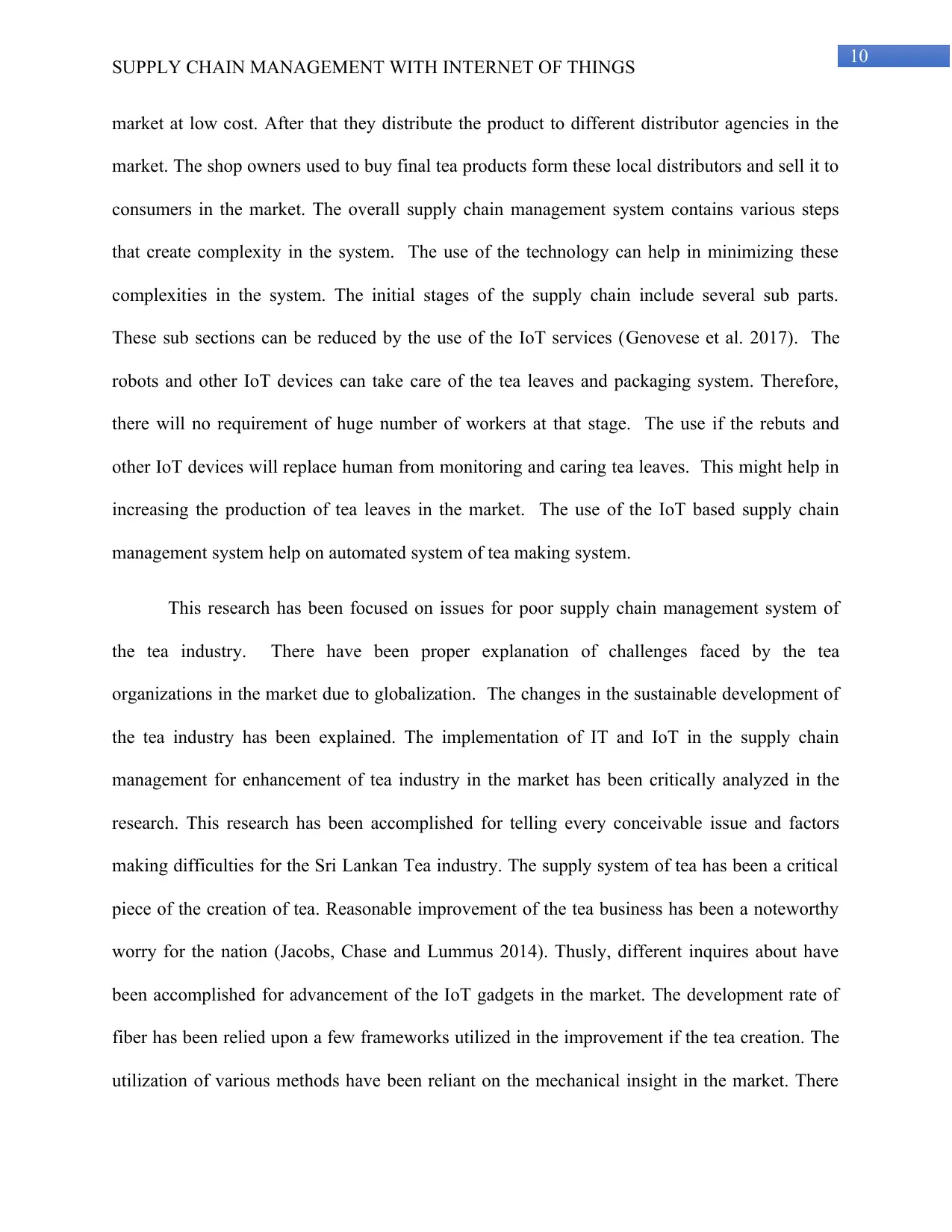
Figure 1: Sri Lankan Tea marketing chain
(Source: Wang et al. 2016)
This figure describes about the marketing chain of the Sri Lankan tea industry. Tea plants
are grown in the agricultural fields. After that leaf supplier bought tea leaves from small holder
leaf. The leaf supplier send tea leaves industry for filtration process. After that, tea leaves are
send to the market or private sales. The local buyer bought these tea leaves from the secondary
SUPPLY CHAIN MANAGEMENT WITH INTERNET OF THINGS
a loss of 4% in the export of tea product all over the world. The GDP of the country has been
decreased gradually. The International Tea Committee (ITC) has been a result of these
negotiations and has been organized in 1933 by representatives of tea planters in India, Ceylon
and Dutch East Indies (Brandenburg et al. 2014). The tea industry has been playing an important
role in the economy of Sri Lanka. Though there has been a decline in the contribution in recent
years. Tea has been using a large area of wet zone land that is available for agriculture. Sri
Lanka has been producing 280 kg millions of black tea in 1998 and about 10% of the total world
black tea production. Sri Lanka has been able to export more than 90% of its annual production.
Therefore, foreign exports earnings have been of an amount of Rs.42.5 billion and about 15% of
the total export earnings of Sri Lanka.
Figure 1: Sri Lankan Tea marketing chain
(Source: Wang et al. 2016)
This figure describes about the marketing chain of the Sri Lankan tea industry. Tea plants
are grown in the agricultural fields. After that leaf supplier bought tea leaves from small holder
leaf. The leaf supplier send tea leaves industry for filtration process. After that, tea leaves are
send to the market or private sales. The local buyer bought these tea leaves from the secondary
⊘ This is a preview!⊘
Do you want full access?
Subscribe today to unlock all pages.
Trusted by 1+ million students worldwide
10
SUPPLY CHAIN MANAGEMENT WITH INTERNET OF THINGS
market at low cost. After that they distribute the product to different distributor agencies in the
market. The shop owners used to buy final tea products form these local distributors and sell it to
consumers in the market. The overall supply chain management system contains various steps
that create complexity in the system. The use of the technology can help in minimizing these
complexities in the system. The initial stages of the supply chain include several sub parts.
These sub sections can be reduced by the use of the IoT services (Genovese et al. 2017). The
robots and other IoT devices can take care of the tea leaves and packaging system. Therefore,
there will no requirement of huge number of workers at that stage. The use if the rebuts and
other IoT devices will replace human from monitoring and caring tea leaves. This might help in
increasing the production of tea leaves in the market. The use of the IoT based supply chain
management system help on automated system of tea making system.
This research has been focused on issues for poor supply chain management system of
the tea industry. There have been proper explanation of challenges faced by the tea
organizations in the market due to globalization. The changes in the sustainable development of
the tea industry has been explained. The implementation of IT and IoT in the supply chain
management for enhancement of tea industry in the market has been critically analyzed in the
research. This research has been accomplished for telling every conceivable issue and factors
making difficulties for the Sri Lankan Tea industry. The supply system of tea has been a critical
piece of the creation of tea. Reasonable improvement of the tea business has been a noteworthy
worry for the nation (Jacobs, Chase and Lummus 2014). Thusly, different inquires about have
been accomplished for advancement of the IoT gadgets in the market. The development rate of
fiber has been relied upon a few frameworks utilized in the improvement if the tea creation. The
utilization of various methods have been reliant on the mechanical insight in the market. There
SUPPLY CHAIN MANAGEMENT WITH INTERNET OF THINGS
market at low cost. After that they distribute the product to different distributor agencies in the
market. The shop owners used to buy final tea products form these local distributors and sell it to
consumers in the market. The overall supply chain management system contains various steps
that create complexity in the system. The use of the technology can help in minimizing these
complexities in the system. The initial stages of the supply chain include several sub parts.
These sub sections can be reduced by the use of the IoT services (Genovese et al. 2017). The
robots and other IoT devices can take care of the tea leaves and packaging system. Therefore,
there will no requirement of huge number of workers at that stage. The use if the rebuts and
other IoT devices will replace human from monitoring and caring tea leaves. This might help in
increasing the production of tea leaves in the market. The use of the IoT based supply chain
management system help on automated system of tea making system.
This research has been focused on issues for poor supply chain management system of
the tea industry. There have been proper explanation of challenges faced by the tea
organizations in the market due to globalization. The changes in the sustainable development of
the tea industry has been explained. The implementation of IT and IoT in the supply chain
management for enhancement of tea industry in the market has been critically analyzed in the
research. This research has been accomplished for telling every conceivable issue and factors
making difficulties for the Sri Lankan Tea industry. The supply system of tea has been a critical
piece of the creation of tea. Reasonable improvement of the tea business has been a noteworthy
worry for the nation (Jacobs, Chase and Lummus 2014). Thusly, different inquires about have
been accomplished for advancement of the IoT gadgets in the market. The development rate of
fiber has been relied upon a few frameworks utilized in the improvement if the tea creation. The
utilization of various methods have been reliant on the mechanical insight in the market. There
Paraphrase This Document
Need a fresh take? Get an instant paraphrase of this document with our AI Paraphraser
11
SUPPLY CHAIN MANAGEMENT WITH INTERNET OF THINGS
has been normal need in production network the board arrangement of the tea business. Store
network the board alludes to the stream of items and administrations in an oversaw way. It starts
from the inception of items and finishes with utilization of items. It manages the capacity of
items and crude materials engaged with the work advancement and stock control. The principle
motivation behind the inventory network the board has been observing connection among
creation, appropriation and transportation of items and administrations. Store network the
executives for the most part converges with interest and supply the board. It has been utilizing
diverse methodologies for working productively at each progression incorporated into the chain.
1.3 Problem Statement
The major problem in the tea industry has been poor supply chain systems of the tea
organizations in the market. The supply chain of the tea organizations in Sri Lanka has been
declining. This research has focused on the tea industry of Sri Lanka. The tea industry of Sri
Lanka has been profitable in mid 90s. However, due to logistical and poor supply chain
management system, the revenue of Sri Lankan tea industry has been decreasing. This has create
negative impact on the economy of Sri Lanka. Globalization has been affecting by increasing
competition in the market. SMEs are not able to compete with the large tea companies in the
market. There have been significant loss in the revenue of the small and medium sized
companies in tea industry of Sri Lanka. With the changes in the economy of Sri Lanka since
1980s, the value of industrial export has been decreased gradually. The increase in the
competition in the tea industry market, various huge companies have been in the market. There
has been significant loss in the tea industry of the Sri Lanka. Therefore, this paper focuses on
sustainable issues and their impact on performance of the agro-supply chain.
SUPPLY CHAIN MANAGEMENT WITH INTERNET OF THINGS
has been normal need in production network the board arrangement of the tea business. Store
network the board alludes to the stream of items and administrations in an oversaw way. It starts
from the inception of items and finishes with utilization of items. It manages the capacity of
items and crude materials engaged with the work advancement and stock control. The principle
motivation behind the inventory network the board has been observing connection among
creation, appropriation and transportation of items and administrations. Store network the
executives for the most part converges with interest and supply the board. It has been utilizing
diverse methodologies for working productively at each progression incorporated into the chain.
1.3 Problem Statement
The major problem in the tea industry has been poor supply chain systems of the tea
organizations in the market. The supply chain of the tea organizations in Sri Lanka has been
declining. This research has focused on the tea industry of Sri Lanka. The tea industry of Sri
Lanka has been profitable in mid 90s. However, due to logistical and poor supply chain
management system, the revenue of Sri Lankan tea industry has been decreasing. This has create
negative impact on the economy of Sri Lanka. Globalization has been affecting by increasing
competition in the market. SMEs are not able to compete with the large tea companies in the
market. There have been significant loss in the revenue of the small and medium sized
companies in tea industry of Sri Lanka. With the changes in the economy of Sri Lanka since
1980s, the value of industrial export has been decreased gradually. The increase in the
competition in the tea industry market, various huge companies have been in the market. There
has been significant loss in the tea industry of the Sri Lanka. Therefore, this paper focuses on
sustainable issues and their impact on performance of the agro-supply chain.
12
SUPPLY CHAIN MANAGEMENT WITH INTERNET OF THINGS
1.4 Aim, Objectives and Research Questions
This study aims at evaluating supply chain management in small and medium sized
companies in tea industry in Sri Lanka using information technology.
Following are objectives of the research:
To explore the enablers to support enhanced efficiency and reduction of waste in the
supply chain of tea production within an Sri Lankan context
To evaluate supply chain management in tea industry using Information technology in Sri
Lanka
To identify issues and factors affecting supply chain management of tea industry in Sri
Lanka
To implement information technology in supply chain management system for mitigating
issues in tea industry in Sri Lanka
Following are the research questions:
How to evaluate supply chain management in tea industry using Information technology
in Sri Lanka?
What are issues and factors affecting supply chain management of tea industry in Sri
Lanka?
How to mitigate issues in tea industry in Sri Lanka by implementing Information
technology?
1.5 Research Structure
This research include five chapters including Introduction, Literature review, Research
Methodology, Data findings and analysis and Conclusion and recommendation respectively. This
SUPPLY CHAIN MANAGEMENT WITH INTERNET OF THINGS
1.4 Aim, Objectives and Research Questions
This study aims at evaluating supply chain management in small and medium sized
companies in tea industry in Sri Lanka using information technology.
Following are objectives of the research:
To explore the enablers to support enhanced efficiency and reduction of waste in the
supply chain of tea production within an Sri Lankan context
To evaluate supply chain management in tea industry using Information technology in Sri
Lanka
To identify issues and factors affecting supply chain management of tea industry in Sri
Lanka
To implement information technology in supply chain management system for mitigating
issues in tea industry in Sri Lanka
Following are the research questions:
How to evaluate supply chain management in tea industry using Information technology
in Sri Lanka?
What are issues and factors affecting supply chain management of tea industry in Sri
Lanka?
How to mitigate issues in tea industry in Sri Lanka by implementing Information
technology?
1.5 Research Structure
This research include five chapters including Introduction, Literature review, Research
Methodology, Data findings and analysis and Conclusion and recommendation respectively. This
⊘ This is a preview!⊘
Do you want full access?
Subscribe today to unlock all pages.
Trusted by 1+ million students worldwide

1 out of 68


Related Documents


Your All-in-One AI-Powered Toolkit for Academic Success.
+13062052269
info@desklib.com
Available 24*7 on WhatsApp / Email
![[object Object]](/_next/static/media/star-bottom.7253800d.svg)
Unlock your academic potential
Copyright © 2020–2026 A2Z Services. All Rights Reserved. Developed and managed by ZUCOL.