An Analysis of Legislation and Ethics in the Travel and Tourism Sector
VerifiedAdded on 2020/02/05
|12
|4139
|482
Report
AI Summary
This report provides a comprehensive overview of legislation and ethics within the travel and tourism industry. It begins by outlining various legal and regulatory frameworks, including acts related to carriage by air and road, the Athens Convention, and transport acts. It then explores the role of regulatory bodies such as the Civil Aviation Authority and Strategic Rail Authority, emphasizing their impact on safety and operations. The report further examines the influence of health, safety, and security legislations, such as the Health and Safety Act and Data Protection Act, on businesses like Bell View Hotel. It also discusses employment-related legislations like the Sex Discrimination Act and the Disability Discrimination Act, emphasizing the importance of equal opportunities. Contract legislation in travel and tourism is also discussed. The report delves into ethical dilemmas faced by the industry, such as those arising from contract legislation, and the importance of adhering to ethical principles in ensuring passenger safety and fair practices. The report concludes by highlighting the significance of legal and ethical considerations for the sustainable growth and responsible operation of the tourism sector.
LEGISLATION AND ETHICS IN
TRAVEL AND TOURISM SECTOR
1
TRAVEL AND TOURISM SECTOR
1

Paraphrase This Document
Need a fresh take? Get an instant paraphrase of this document with our AI Paraphraser
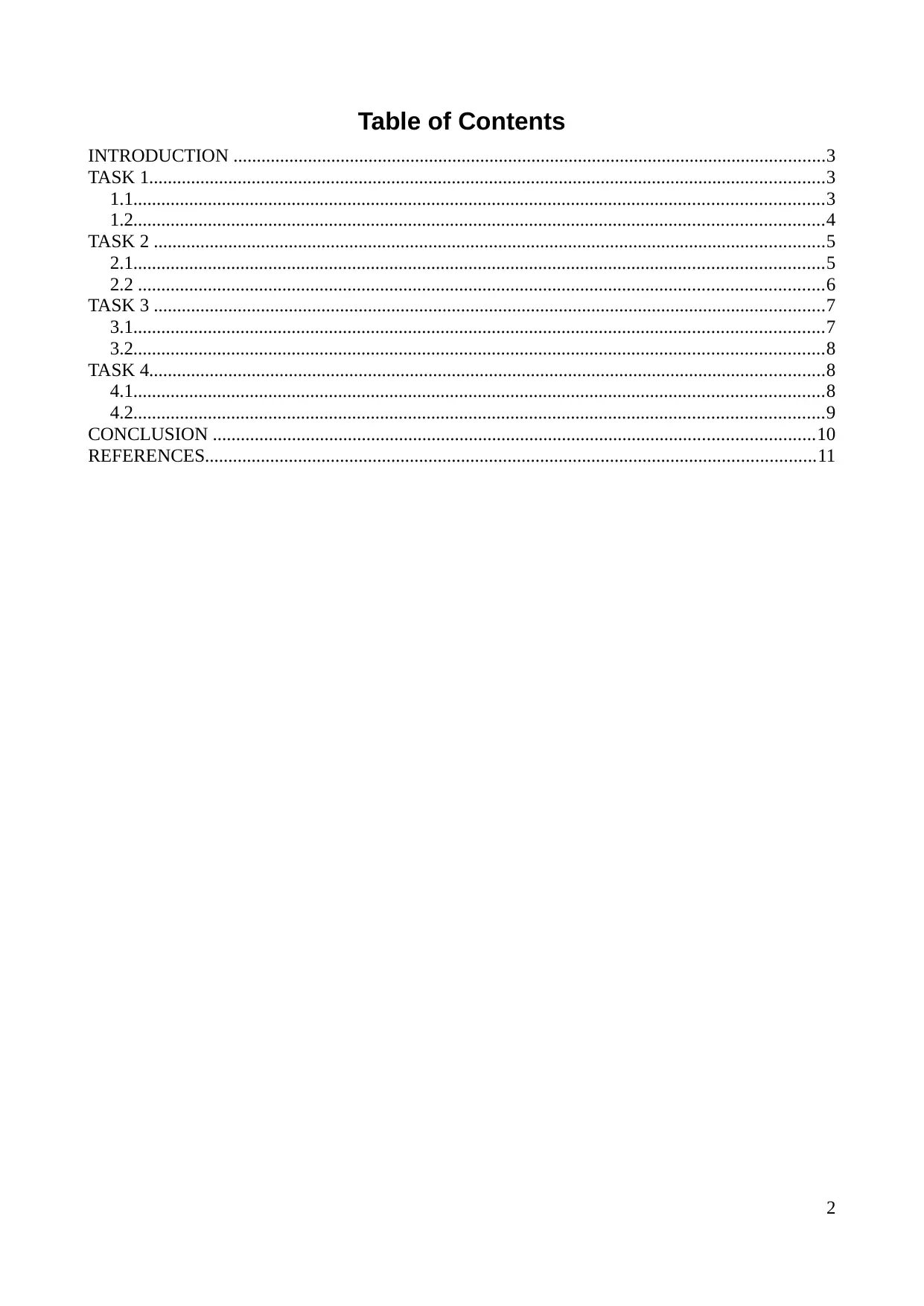
Table of Contents
INTRODUCTION ...............................................................................................................................3
TASK 1.................................................................................................................................................3
1.1....................................................................................................................................................3
1.2....................................................................................................................................................4
TASK 2 ................................................................................................................................................5
2.1....................................................................................................................................................5
2.2 ...................................................................................................................................................6
TASK 3 ................................................................................................................................................7
3.1....................................................................................................................................................7
3.2....................................................................................................................................................8
TASK 4.................................................................................................................................................8
4.1....................................................................................................................................................8
4.2....................................................................................................................................................9
CONCLUSION .................................................................................................................................10
REFERENCES...................................................................................................................................11
2
INTRODUCTION ...............................................................................................................................3
TASK 1.................................................................................................................................................3
1.1....................................................................................................................................................3
1.2....................................................................................................................................................4
TASK 2 ................................................................................................................................................5
2.1....................................................................................................................................................5
2.2 ...................................................................................................................................................6
TASK 3 ................................................................................................................................................7
3.1....................................................................................................................................................7
3.2....................................................................................................................................................8
TASK 4.................................................................................................................................................8
4.1....................................................................................................................................................8
4.2....................................................................................................................................................9
CONCLUSION .................................................................................................................................10
REFERENCES...................................................................................................................................11
2
INTRODUCTION
Travel and tourism industry is witnessing huge growth and vast success opportunities are
offered by this sector. IT is vital that passengers who are availing services in travel industry should
be provided with proper health and safety protections (Becker, 2016). It will aid in ensuring better
services to clients that are enjoying services and their health and safety will be ensured. Present
report describes about different kind of legal and regulatory frameworks formed by government for
regulating working of tourism sector. Role of different regulatory bodies in travel and tourism
sector has been mentioned in the report. In addition to this impact of health, safety and security
legislations has also been mentioned. Furthermore different kinds of ethical dilemmas faced while
rendering safety to people in travel and tourism sector has been described in the report.
TASK 1
1.1
Travel and tourism sector gets influenced by various legal and regulatory frameworks
formulated by state. English legal system renders diverse guidelines that are essential to follow for
travel companies and other tour operating firms (Prebežac and et.al., 2016). Diverse range of legal
and regulatory frameworks are as described :-
Carriage by Air and road act 1979 :- Guidelines are given in this act that if due to negligence and
carelessness shown by any person who carry passenger. If any harm or injuries is caused to client
than carrier will be held accountable for damages caused to persons who are travelling by air or by
road (Page, 2014). In this case responsibilities of carrier who is carrying a passenger be medium of
rail and road are decided.
The Athens Convention act 1974 :- The act was formulated with the objective to render guidelines
to people who are involved in international carrier and activities of carrying passenger by road and
passengers who travel by sea are also included in this act.
International Carriage by road act 1979 :- Under this act instructions are given that if any
damage and harm is caused to any person while travelling through road than claims can be made for
the damages that is caused to any individual while travelling by road (Brandon-Jones and Walsman,
2016).
Transport Acts 1980 :- The act was formulated by parliament of UK and major objective behind
making of this act was to do deregulation of different coach services in nation. Authorities are
granted power for making deregulation of bus services in country that includes local bus services
and others. Travel and tourism industry of the country was affected by formation of this act and
3
Travel and tourism industry is witnessing huge growth and vast success opportunities are
offered by this sector. IT is vital that passengers who are availing services in travel industry should
be provided with proper health and safety protections (Becker, 2016). It will aid in ensuring better
services to clients that are enjoying services and their health and safety will be ensured. Present
report describes about different kind of legal and regulatory frameworks formed by government for
regulating working of tourism sector. Role of different regulatory bodies in travel and tourism
sector has been mentioned in the report. In addition to this impact of health, safety and security
legislations has also been mentioned. Furthermore different kinds of ethical dilemmas faced while
rendering safety to people in travel and tourism sector has been described in the report.
TASK 1
1.1
Travel and tourism sector gets influenced by various legal and regulatory frameworks
formulated by state. English legal system renders diverse guidelines that are essential to follow for
travel companies and other tour operating firms (Prebežac and et.al., 2016). Diverse range of legal
and regulatory frameworks are as described :-
Carriage by Air and road act 1979 :- Guidelines are given in this act that if due to negligence and
carelessness shown by any person who carry passenger. If any harm or injuries is caused to client
than carrier will be held accountable for damages caused to persons who are travelling by air or by
road (Page, 2014). In this case responsibilities of carrier who is carrying a passenger be medium of
rail and road are decided.
The Athens Convention act 1974 :- The act was formulated with the objective to render guidelines
to people who are involved in international carrier and activities of carrying passenger by road and
passengers who travel by sea are also included in this act.
International Carriage by road act 1979 :- Under this act instructions are given that if any
damage and harm is caused to any person while travelling through road than claims can be made for
the damages that is caused to any individual while travelling by road (Brandon-Jones and Walsman,
2016).
Transport Acts 1980 :- The act was formulated by parliament of UK and major objective behind
making of this act was to do deregulation of different coach services in nation. Authorities are
granted power for making deregulation of bus services in country that includes local bus services
and others. Travel and tourism industry of the country was affected by formation of this act and
3
⊘ This is a preview!⊘
Do you want full access?
Subscribe today to unlock all pages.

Trusted by 1+ million students worldwide
various tour provider companies also gets influenced by it. Rivalry among tourism industry
increased after formation of this act and private bus service providers were allowed for operating
across all routes (Buckley, 2012). National bus companies and private bus service provider
companies got influenced by formation of this act.
Development of Tourism act 1969 :- the major objective behind formation of this act is to increase
coordination among different tour service provider organizations. Many big organizations working
across the nation were influenced by formation of this act and cooperation among different tour
service provider companies aided in increasing the tourism activities in the country (Crouch, 2012).
In addition to this different types of regulations that are formed for regulating activities of travel and
tourism sector by government of UK are as follows :-
Civil Aviation Authority:- This authority was formulated for providing safety and protection to
people who are travelling by aviation mode. Major work of this authority is to render protection to
passengers and public travelling in aviation sector. Licensing and approvals are granted by this
authority and guidance is also provided to people on diverse range of issues (Morrison, 2013).
Various safety plans and safety initiatives are also launched by this authority and it supported in
regulating the working of aviation sector.
Strategic Rail Authority :- This body was set under Transport act 2000 for regulating the
operations of railway industry. Various tourism activities of the country takes places through rail
network and this authority worked for making improvements in existing railway systems.
1.2
There is significant role played by regulatory bodies in travel and tourism sector and
operations of travel sector has been influenced by it :-
The international carriage of passenger act 1979 (Surface law) :- It comes under the category of
surface law that provides directions to passengers. People who provide tickets and other services to
people related to road travel comes in this category. Under this act duty of carrier is assigned for
providing appropriate safety and protection to people that are associated with rendering protection
and safety to passengers using different transportation services (Mok, Sparks and Kadampully,
2013). It becomes duty of carrier and tour operator for ensuring proper safety of people who are
travelling by making use of their services. Travellers go to different destinations and sometimes
different accidents and damages are caused to them. It becomes accountability of carrier for
ensuring that passengers are safely sent to their destinations. The international carriage of passenger
act 1979 is formulated with the objective to render better transportation services to the clients.
Sea law :- Government of UK has taken initiatives for making various sea laws for regulating
4
increased after formation of this act and private bus service providers were allowed for operating
across all routes (Buckley, 2012). National bus companies and private bus service provider
companies got influenced by formation of this act.
Development of Tourism act 1969 :- the major objective behind formation of this act is to increase
coordination among different tour service provider organizations. Many big organizations working
across the nation were influenced by formation of this act and cooperation among different tour
service provider companies aided in increasing the tourism activities in the country (Crouch, 2012).
In addition to this different types of regulations that are formed for regulating activities of travel and
tourism sector by government of UK are as follows :-
Civil Aviation Authority:- This authority was formulated for providing safety and protection to
people who are travelling by aviation mode. Major work of this authority is to render protection to
passengers and public travelling in aviation sector. Licensing and approvals are granted by this
authority and guidance is also provided to people on diverse range of issues (Morrison, 2013).
Various safety plans and safety initiatives are also launched by this authority and it supported in
regulating the working of aviation sector.
Strategic Rail Authority :- This body was set under Transport act 2000 for regulating the
operations of railway industry. Various tourism activities of the country takes places through rail
network and this authority worked for making improvements in existing railway systems.
1.2
There is significant role played by regulatory bodies in travel and tourism sector and
operations of travel sector has been influenced by it :-
The international carriage of passenger act 1979 (Surface law) :- It comes under the category of
surface law that provides directions to passengers. People who provide tickets and other services to
people related to road travel comes in this category. Under this act duty of carrier is assigned for
providing appropriate safety and protection to people that are associated with rendering protection
and safety to passengers using different transportation services (Mok, Sparks and Kadampully,
2013). It becomes duty of carrier and tour operator for ensuring proper safety of people who are
travelling by making use of their services. Travellers go to different destinations and sometimes
different accidents and damages are caused to them. It becomes accountability of carrier for
ensuring that passengers are safely sent to their destinations. The international carriage of passenger
act 1979 is formulated with the objective to render better transportation services to the clients.
Sea law :- Government of UK has taken initiatives for making various sea laws for regulating
4
Paraphrase This Document
Need a fresh take? Get an instant paraphrase of this document with our AI Paraphraser
transportation activities across sea. The Athens Convention act formed in year 1974 was made with
the objective to provide protection to travellers who are travelling through sea. If any passenger
suffers any kind of damages while travelling through sea than claims can be made. Liabilities of
carriers has been determined under this act and that has been determined that accountabilities
should be decided. In addition to this International Maritime Organization has been formulated that
works for regulating safeguards of people who are travelling through sea (Mariani and et.al., 2014).
Moreover international convention for the safety of life at sea has been formed for taking effective
measures for passengers that are travelling through sea. It has been mandatory by this organization
that it is vital to use safety equipments while travelling on a sea craft that is carrying minimum of
12 passengers on it.
The Warsaw Convention of 1929 (Air law ):- It was formed for regulating the transportation
activities of aviation sector and it lay down various rules and regulations that are essential to follow
for running the activities of aviation sector (Dupeyras and MacCallum, 2013). If any passenger
makes claims for damages caused to any individual than rights are given for making claims for
harm and damages that are caused to them. In addition to this The Montreal convention also aids in
giving safety and protections to passengers that are coming to travel by air law.
TASK 2
2.1
Health, safety and security legislations gives impact on overall working of the enterprise and
various types of operational activities gets influenced due to it. It is assertive that management of
Bell View Hotel should follow all the health and safety legislations that are formed by government
(Getz, 2013). It will ensure in running activities of the enterprise in legal and lawful manner by
complying with guidance given by government. Different acts formed by government includes
Health and safety act 1974 :-This act was formed for ensuring health, safety and welfare for
people that are working across different organizations in nation. Duties and responsibilities of staff
members, employers and people who are accountable for managing the work are assigned (Lee, and
et.al., 2013). The acts gives guidelines for ensuring that proper protection should be provided to
individuals in the organization. Use of dangerous chemical substances has also been made restricted
under this act and emission of chemical and explosive substances into air.
Data protection Act 1998 :- This act gives guidelines for protection and safety of data that is used
in diverse operational activities of the enterprise. It is assertive to provide protection of data and
information that is used in the organization. Moreover it has been made vital that disclosure of
information should be done in appropriate manner and proper protection should be provided to
5
the objective to provide protection to travellers who are travelling through sea. If any passenger
suffers any kind of damages while travelling through sea than claims can be made. Liabilities of
carriers has been determined under this act and that has been determined that accountabilities
should be decided. In addition to this International Maritime Organization has been formulated that
works for regulating safeguards of people who are travelling through sea (Mariani and et.al., 2014).
Moreover international convention for the safety of life at sea has been formed for taking effective
measures for passengers that are travelling through sea. It has been mandatory by this organization
that it is vital to use safety equipments while travelling on a sea craft that is carrying minimum of
12 passengers on it.
The Warsaw Convention of 1929 (Air law ):- It was formed for regulating the transportation
activities of aviation sector and it lay down various rules and regulations that are essential to follow
for running the activities of aviation sector (Dupeyras and MacCallum, 2013). If any passenger
makes claims for damages caused to any individual than rights are given for making claims for
harm and damages that are caused to them. In addition to this The Montreal convention also aids in
giving safety and protections to passengers that are coming to travel by air law.
TASK 2
2.1
Health, safety and security legislations gives impact on overall working of the enterprise and
various types of operational activities gets influenced due to it. It is assertive that management of
Bell View Hotel should follow all the health and safety legislations that are formed by government
(Getz, 2013). It will ensure in running activities of the enterprise in legal and lawful manner by
complying with guidance given by government. Different acts formed by government includes
Health and safety act 1974 :-This act was formed for ensuring health, safety and welfare for
people that are working across different organizations in nation. Duties and responsibilities of staff
members, employers and people who are accountable for managing the work are assigned (Lee, and
et.al., 2013). The acts gives guidelines for ensuring that proper protection should be provided to
individuals in the organization. Use of dangerous chemical substances has also been made restricted
under this act and emission of chemical and explosive substances into air.
Data protection Act 1998 :- This act gives guidelines for protection and safety of data that is used
in diverse operational activities of the enterprise. It is assertive to provide protection of data and
information that is used in the organization. Moreover it has been made vital that disclosure of
information should be done in appropriate manner and proper protection should be provided to
5
people that are working in diverse organization in industry. Processing of data and information
should be done in systematic manner and information related to any stakeholder of the business
should not be disclosed without taking prior permission from the person (Hudsonn and Thal, 2013).
It provides directions to companies and individuals for keeping safety of personal information.
Vicarious liability :- Under vicarious liability it has been defined that it becomes responsibility of
employer for providing proper care to people that are working in their firm. If any damage or injury
is caused to any employee during working hours than it becomes liability of employer to pay
compensation for the harms caused (Hall, 2013). Moreover if any incident happens and harms and
damages are caused due to negligence shown by any staff member than in this case employer can be
held liable for the damages that is caused.
Management of Bell view hotel can take significant initiatives for ensuring health and safety
of people that are working in different organizations. Training programs can be organized for
making employees aware about various methods that can help them in ensuring protection for
themselves.
2.2
It is critical that equal job opportunities should be provided to people that are working with
the Bell View Hotel enterprise.
Sex discrimination act 1975 :- This act provides guidelines that equal opportunities should be
provided to all females and males candidates. No discrimination should be made with people on the
basis of gender and if any person gets affected due to sex discrimination than legal actions can be
claimed (Mowforth and Munt, 2015).
Race discrimination act 1976 :- The acts gives guidelines that no discrimination can me made
with any person on the grounds of race and nationality. It is illegal to make any kind of
discrimination on the grounds of culture, religion and ethnicity.
Employment Protection act 1978 :- The act was made for protecting and saving rights of staff
members. In addition to this the act gives guidelines for employers to render a better working
environment for the staff members. It saves employees from unlawful actions of employers and
provides assistance to employees for protecting their rights (John and Susan, 2015).
Disability discrimination act 1995 :- Guidelines are given in this act that no discrimination should
be made with any person on the basis of disability. Disability is defined as dysfunctional of any
body part and it comes in the category of handicap of a body part. It is assertive that equal
opportunities should be provided to people without making any difference on the basis of disability.
Employment Act 2002 :-This act was formulated for providing maternity and paternity rights to
6
should be done in systematic manner and information related to any stakeholder of the business
should not be disclosed without taking prior permission from the person (Hudsonn and Thal, 2013).
It provides directions to companies and individuals for keeping safety of personal information.
Vicarious liability :- Under vicarious liability it has been defined that it becomes responsibility of
employer for providing proper care to people that are working in their firm. If any damage or injury
is caused to any employee during working hours than it becomes liability of employer to pay
compensation for the harms caused (Hall, 2013). Moreover if any incident happens and harms and
damages are caused due to negligence shown by any staff member than in this case employer can be
held liable for the damages that is caused.
Management of Bell view hotel can take significant initiatives for ensuring health and safety
of people that are working in different organizations. Training programs can be organized for
making employees aware about various methods that can help them in ensuring protection for
themselves.
2.2
It is critical that equal job opportunities should be provided to people that are working with
the Bell View Hotel enterprise.
Sex discrimination act 1975 :- This act provides guidelines that equal opportunities should be
provided to all females and males candidates. No discrimination should be made with people on the
basis of gender and if any person gets affected due to sex discrimination than legal actions can be
claimed (Mowforth and Munt, 2015).
Race discrimination act 1976 :- The acts gives guidelines that no discrimination can me made
with any person on the grounds of race and nationality. It is illegal to make any kind of
discrimination on the grounds of culture, religion and ethnicity.
Employment Protection act 1978 :- The act was made for protecting and saving rights of staff
members. In addition to this the act gives guidelines for employers to render a better working
environment for the staff members. It saves employees from unlawful actions of employers and
provides assistance to employees for protecting their rights (John and Susan, 2015).
Disability discrimination act 1995 :- Guidelines are given in this act that no discrimination should
be made with any person on the basis of disability. Disability is defined as dysfunctional of any
body part and it comes in the category of handicap of a body part. It is assertive that equal
opportunities should be provided to people without making any difference on the basis of disability.
Employment Act 2002 :-This act was formulated for providing maternity and paternity rights to
6
⊘ This is a preview!⊘
Do you want full access?
Subscribe today to unlock all pages.
Trusted by 1+ million students worldwide
people that are working in different organisations across world. In this act some other elements
were also included that consists of flexible working hours, equal pay for equal job and fixed
working (Navickas and Malakauskaite, 2015).
Human rights Act 1998 :- This act was formed by government of UK for giving duties to all the
courts and tribunals for doing interpretation of legislations (Ghimire, 2013). It is vital for employers
to ensure that rights and interest of individual that are working in their organization.
EU directives :- European Union has formulated various policies that framework that are
compulsory to follow for its member countries (Prebežac and et.al., 2016). Free movement of trade,
people and goods have been ensured under EU directives and guidelines and directions given by EU
policies and legislations are mandatory to follow for all the member countries.
TASK 3
3.1
Contract legislation in travel and tourism
Contract refers as a legal agreement between two or more parties. Travel companies bind
contract of fix terms and conditions regarding tourists' setting out details of payment and facilities.
These conditions are related to place of destination, arrival and departure time, proper duration and
price of stay (Vrana and Zafiropoulos, 2006). Goods and services provided by travel company abide
by some conditions involves agreement between tourist and tourism, customer regulations,
agreement between two parties involves name of place of stay for holiday time periods, destination,
cost etc.
Essential elements make any contract as; offer as made by offeror and offeree, where
proposal of any agreement proposed by offeror and accepted by offeree (Underberg-Goode, 2014).
Acceptance of offer remains as amount to gain facilities of goods and services provided by travel
industry. During consideration, contract considers as binding by law. Without consideration,
contract remains as invalid or rejection of contract. Contract legislation shows ability to have
majority of age (Beldona, Lin and Yoo, 2012). It is needed for tourist and tourism to follow rules
and responsibilities of the contract. Therefore, tools and conditions of any agreement would be valid
if there is clear and mutual terms regarding travel and its facilities.
Thus, in travel and tourism, law of contract provides safe and healthy facilities to its tourists.
It is beneficial to make a relationship of trust through rules and regulations of the legal agreement.
Both parties tries to communicate the set out terms and follow the rules of contract with great
accountability (Vargas-Hernández, 2012). By following contract law, travel and tourism provides
goods and services of safe and healthy travelling facilities.
7
were also included that consists of flexible working hours, equal pay for equal job and fixed
working (Navickas and Malakauskaite, 2015).
Human rights Act 1998 :- This act was formed by government of UK for giving duties to all the
courts and tribunals for doing interpretation of legislations (Ghimire, 2013). It is vital for employers
to ensure that rights and interest of individual that are working in their organization.
EU directives :- European Union has formulated various policies that framework that are
compulsory to follow for its member countries (Prebežac and et.al., 2016). Free movement of trade,
people and goods have been ensured under EU directives and guidelines and directions given by EU
policies and legislations are mandatory to follow for all the member countries.
TASK 3
3.1
Contract legislation in travel and tourism
Contract refers as a legal agreement between two or more parties. Travel companies bind
contract of fix terms and conditions regarding tourists' setting out details of payment and facilities.
These conditions are related to place of destination, arrival and departure time, proper duration and
price of stay (Vrana and Zafiropoulos, 2006). Goods and services provided by travel company abide
by some conditions involves agreement between tourist and tourism, customer regulations,
agreement between two parties involves name of place of stay for holiday time periods, destination,
cost etc.
Essential elements make any contract as; offer as made by offeror and offeree, where
proposal of any agreement proposed by offeror and accepted by offeree (Underberg-Goode, 2014).
Acceptance of offer remains as amount to gain facilities of goods and services provided by travel
industry. During consideration, contract considers as binding by law. Without consideration,
contract remains as invalid or rejection of contract. Contract legislation shows ability to have
majority of age (Beldona, Lin and Yoo, 2012). It is needed for tourist and tourism to follow rules
and responsibilities of the contract. Therefore, tools and conditions of any agreement would be valid
if there is clear and mutual terms regarding travel and its facilities.
Thus, in travel and tourism, law of contract provides safe and healthy facilities to its tourists.
It is beneficial to make a relationship of trust through rules and regulations of the legal agreement.
Both parties tries to communicate the set out terms and follow the rules of contract with great
accountability (Vargas-Hernández, 2012). By following contract law, travel and tourism provides
goods and services of safe and healthy travelling facilities.
7
Paraphrase This Document
Need a fresh take? Get an instant paraphrase of this document with our AI Paraphraser
3.2
Consumer protection legislation in relation to travel and tourism
Law of contract bind travel and tourism to provide safe and healthy facilities to its
customers. There are some rights, rules and regulations are made for tourists' protection, calls as
consumer protection legislation (Timothy, 2011). Consumer protection legislation set target to safe
the rights of consumers. In case of breach the contract, tourists can take action against travel and
tourism. Consumer possesses some right for protection such as
Right to fair value, good quality and safety:- Tourists have right to choose facilities according to
their interest (Mok, Sparks and Kadampully, 2013). Goods and services which satisfy them safe
and healthy in travel industry are right to be selected.
Right to disclosure of information:- There is right to get all information and dealings related to
travel agency (Getz, 2013). Disclosure of information right referring to facilities protects
consumers in case of breech the contract.
Right to accountable terms and conditions:- Each and every tourist has right to responsible for
agreement's terms and conditions, helpful to safe consumer to obey the duty to be consumer.
Right to fair and honest dealing:- Consumer protection act is useful for travel and tourism
consumers' to deal with its travel and tourism in honest and loyal way to make a valid
agreement between supplier and consumers (John and Susan, 2011).
Right to protection of step taken in good faith:- In case of breach contract from travel agency, it is
right for consumer to take action against agency in their safe and goof faith. Consumer can sue
against travel and tourism.
Thus, consumers have right to get safe and secured facilities from the industry to protect legislation
in travel and tourism.
TASK 4
4.1
Ethical dilemmas faced by travel and tourism
Ethical dilemma remains as complex terms includes moral conflict between moral
imperatives. Travel and tourism may face issue to unethical competition of low price or bad quality
of goods and services provided to consumers (Getz, 2013). The organization can reduce this
situation through act in good manner to survive in competitive UK travel and tourism.
Complicated condition occurs due to unsafe and wrongful information to its tourist. Its is
dilemma faced by travel agency regarding comfortable facilities to consumers. Thus, to focus on
provide safe and secure healthy services, travel agency can remove risk of insecurity.
8
Consumer protection legislation in relation to travel and tourism
Law of contract bind travel and tourism to provide safe and healthy facilities to its
customers. There are some rights, rules and regulations are made for tourists' protection, calls as
consumer protection legislation (Timothy, 2011). Consumer protection legislation set target to safe
the rights of consumers. In case of breach the contract, tourists can take action against travel and
tourism. Consumer possesses some right for protection such as
Right to fair value, good quality and safety:- Tourists have right to choose facilities according to
their interest (Mok, Sparks and Kadampully, 2013). Goods and services which satisfy them safe
and healthy in travel industry are right to be selected.
Right to disclosure of information:- There is right to get all information and dealings related to
travel agency (Getz, 2013). Disclosure of information right referring to facilities protects
consumers in case of breech the contract.
Right to accountable terms and conditions:- Each and every tourist has right to responsible for
agreement's terms and conditions, helpful to safe consumer to obey the duty to be consumer.
Right to fair and honest dealing:- Consumer protection act is useful for travel and tourism
consumers' to deal with its travel and tourism in honest and loyal way to make a valid
agreement between supplier and consumers (John and Susan, 2011).
Right to protection of step taken in good faith:- In case of breach contract from travel agency, it is
right for consumer to take action against agency in their safe and goof faith. Consumer can sue
against travel and tourism.
Thus, consumers have right to get safe and secured facilities from the industry to protect legislation
in travel and tourism.
TASK 4
4.1
Ethical dilemmas faced by travel and tourism
Ethical dilemma remains as complex terms includes moral conflict between moral
imperatives. Travel and tourism may face issue to unethical competition of low price or bad quality
of goods and services provided to consumers (Getz, 2013). The organization can reduce this
situation through act in good manner to survive in competitive UK travel and tourism.
Complicated condition occurs due to unsafe and wrongful information to its tourist. Its is
dilemma faced by travel agency regarding comfortable facilities to consumers. Thus, to focus on
provide safe and secure healthy services, travel agency can remove risk of insecurity.
8
Tourists attract to travelling of happy and peaceful environment. It is responsibility of travel
and tourism to create positive and interesting atmosphere for consumers to increase in demand of
consumer (Buckley, 2012). The dilemma can occur due to conflicts and uninteresting environment.
Therefore, it is necessary for industry to focus on creation of attractive environmental factors of
travelling services.
Relation tourist and tourism disturbed also a dilemma faced by firm ethically. Therefore, to
make harmony relation between both impacts socially. It relates directly and indirectly to societies
and tourists attraction. On behalf of tourism presentation, society attracts and repulse for travel
facilities (Structure of travel and tourism, 2015). Thus, to provide ethical facilities society and
community would demand for travels services at large scale.
4.2
Corporate social responsibility
Corporate social responsibility is a concept that is useful to distribution in sustainable
growth by delivering economic, social and atmosphere profits for all consumers of travel and
tourism (Evans and et.al., 2012). It indicates human rights and corporate governance to provide safe
and secured facilities to its tourists. It is targeted to accomplish proper balance of economic and
social imperatives. It is a helping technique to manage risks and identify consumer satisfaction and
their desires. It implements healthy and safety services regards tourists.
Corporate social responsibility is required to act to implement goodwill and customer
feedback about travel and tourism goods and services and also be liable to sustain in competitive
UK market of travel agency (Mok, Sparks and Kadampully, 2013). The accountability of corporate
social aims to expand travel business and improves core industry of tourism. It involves some
elements as travel in atmospheric adoptable manner, assess destination carefully, respect of labor
standards and it is helpful to make any any kind to matter to be transferred. It refers for entire range
of concepts travel companies and maintenance of tourism.
It provides medium of transport and accommodations and also controls its energy
utilization. Travel and tourism protects cultures of the related destinations and produces a clear
image of goods and services in accordance to tourists satisfaction (Mariani and et.al., 2014). CSR
increases responsibility and stimulates the focus on accountable tourism through UK tourism
industry and also able to make its own position among all travel and tourism industries. Therefore,
it is useful to create marketing connections between community based tourism project and tourists'
facilities.
9
and tourism to create positive and interesting atmosphere for consumers to increase in demand of
consumer (Buckley, 2012). The dilemma can occur due to conflicts and uninteresting environment.
Therefore, it is necessary for industry to focus on creation of attractive environmental factors of
travelling services.
Relation tourist and tourism disturbed also a dilemma faced by firm ethically. Therefore, to
make harmony relation between both impacts socially. It relates directly and indirectly to societies
and tourists attraction. On behalf of tourism presentation, society attracts and repulse for travel
facilities (Structure of travel and tourism, 2015). Thus, to provide ethical facilities society and
community would demand for travels services at large scale.
4.2
Corporate social responsibility
Corporate social responsibility is a concept that is useful to distribution in sustainable
growth by delivering economic, social and atmosphere profits for all consumers of travel and
tourism (Evans and et.al., 2012). It indicates human rights and corporate governance to provide safe
and secured facilities to its tourists. It is targeted to accomplish proper balance of economic and
social imperatives. It is a helping technique to manage risks and identify consumer satisfaction and
their desires. It implements healthy and safety services regards tourists.
Corporate social responsibility is required to act to implement goodwill and customer
feedback about travel and tourism goods and services and also be liable to sustain in competitive
UK market of travel agency (Mok, Sparks and Kadampully, 2013). The accountability of corporate
social aims to expand travel business and improves core industry of tourism. It involves some
elements as travel in atmospheric adoptable manner, assess destination carefully, respect of labor
standards and it is helpful to make any any kind to matter to be transferred. It refers for entire range
of concepts travel companies and maintenance of tourism.
It provides medium of transport and accommodations and also controls its energy
utilization. Travel and tourism protects cultures of the related destinations and produces a clear
image of goods and services in accordance to tourists satisfaction (Mariani and et.al., 2014). CSR
increases responsibility and stimulates the focus on accountable tourism through UK tourism
industry and also able to make its own position among all travel and tourism industries. Therefore,
it is useful to create marketing connections between community based tourism project and tourists'
facilities.
9
⊘ This is a preview!⊘
Do you want full access?
Subscribe today to unlock all pages.
Trusted by 1+ million students worldwide
CONCLUSION
Summing up the present report it can be concluded that it is vital to provide proper safety to
travellers that are availing services in tourism industry. Government of UK has formed various laws
that includes Sex discrimination act 1975, Disability discrimination act 1998, Health and safety act
1974, Data protection act 1998 that supports in providing better protection to interest of clients.
Moreover there are various ethical dilemmas that are faced while providing services to people and
appropriate strategies can be formed for meeting the challenges that are caused due to ethical
dilemmas.
10
Summing up the present report it can be concluded that it is vital to provide proper safety to
travellers that are availing services in tourism industry. Government of UK has formed various laws
that includes Sex discrimination act 1975, Disability discrimination act 1998, Health and safety act
1974, Data protection act 1998 that supports in providing better protection to interest of clients.
Moreover there are various ethical dilemmas that are faced while providing services to people and
appropriate strategies can be formed for meeting the challenges that are caused due to ethical
dilemmas.
10
Paraphrase This Document
Need a fresh take? Get an instant paraphrase of this document with our AI Paraphraser
REFERENCES
Books and Journals
Becker, E., 2016. Overbooked: the exploding business of travel and tourism. Simon and Schuster.
Beldona, S. Lin, K. and Yoo, J., 2012. The roles of personal innovativeness and push vs pull
delivery methods in travel-oriented location-based marketing services. Journal of Hospitality and
Tourism Technology. 3(2). pp.86 – 95.
Brandon-Jones, A., Lewis, M., and Walsman, M.C., 2016. Examining the characteristics and
managerial challenges of professional services: An empirical study of management consultancy
in the travel, tourism, and hospitality sector. Journal of Operations Management. 42. pp.9-24.
Buckley, R., 2012. Sustainable tourism: Research and reality. Annals of Tourism Research. 39(2).
pp.528-546.
Crouch, G.I., 2012. Competitiveness and tourism. Edward Elgar.
Dupeyras, A. and MacCallum, N., 2013. Indicators for measuring competitiveness in tourism.
Evans, N. and et.al., 2012. Strategic management for travel and tourism. Taylor & Francis.
Getz, D., 2013. Event tourism: concepts, international case studies, and research. Cognizant
Communication Corporation.
Ghimire, K.B., 2013. The native tourist: Mass tourism within developing countries. Routledge.
Hall, C.M., 2013. Wine, food, and tourism marketing. Routledge.
Hudson, S. and Thal, K., 2013. The impact of social media on the consumer decision process:
Implications for tourism marketing. Journal of Travel & Tourism Marketing. 30(1-2). pp.156-
160.
John, S. and Susan, H., 2015. Business travel and tourism.
Lee, J.W. and et.al., 2013. Investigating the influence of tourism on economic growth and carbon
emissions: Evidence from panel analysis of the European Union. Tourism Management. 38.
pp.69-76.
Mariani, M.M. and et.al., 2014. Managing change in tourism destinations: Key issues and current
trends. Journal of Destination Marketing & Management. 2(4). pp.269-272.
Mok, C., Sparks, B. and Kadampully, J., 2013. Service quality management in hospitality, tourism,
and leisure. Routledge.
Morrison, A.M., 2013. Marketing and managing tourism destinations. Routledge.
Mowforth, M. and Munt, I., 2015. Tourism and sustainability: Development, globalisation and new
tourism in the third world. Routledge.
Navickas, V. and Malakauskaite, A., 2015. The possibilities for the identification and evaluation of
11
Books and Journals
Becker, E., 2016. Overbooked: the exploding business of travel and tourism. Simon and Schuster.
Beldona, S. Lin, K. and Yoo, J., 2012. The roles of personal innovativeness and push vs pull
delivery methods in travel-oriented location-based marketing services. Journal of Hospitality and
Tourism Technology. 3(2). pp.86 – 95.
Brandon-Jones, A., Lewis, M., and Walsman, M.C., 2016. Examining the characteristics and
managerial challenges of professional services: An empirical study of management consultancy
in the travel, tourism, and hospitality sector. Journal of Operations Management. 42. pp.9-24.
Buckley, R., 2012. Sustainable tourism: Research and reality. Annals of Tourism Research. 39(2).
pp.528-546.
Crouch, G.I., 2012. Competitiveness and tourism. Edward Elgar.
Dupeyras, A. and MacCallum, N., 2013. Indicators for measuring competitiveness in tourism.
Evans, N. and et.al., 2012. Strategic management for travel and tourism. Taylor & Francis.
Getz, D., 2013. Event tourism: concepts, international case studies, and research. Cognizant
Communication Corporation.
Ghimire, K.B., 2013. The native tourist: Mass tourism within developing countries. Routledge.
Hall, C.M., 2013. Wine, food, and tourism marketing. Routledge.
Hudson, S. and Thal, K., 2013. The impact of social media on the consumer decision process:
Implications for tourism marketing. Journal of Travel & Tourism Marketing. 30(1-2). pp.156-
160.
John, S. and Susan, H., 2015. Business travel and tourism.
Lee, J.W. and et.al., 2013. Investigating the influence of tourism on economic growth and carbon
emissions: Evidence from panel analysis of the European Union. Tourism Management. 38.
pp.69-76.
Mariani, M.M. and et.al., 2014. Managing change in tourism destinations: Key issues and current
trends. Journal of Destination Marketing & Management. 2(4). pp.269-272.
Mok, C., Sparks, B. and Kadampully, J., 2013. Service quality management in hospitality, tourism,
and leisure. Routledge.
Morrison, A.M., 2013. Marketing and managing tourism destinations. Routledge.
Mowforth, M. and Munt, I., 2015. Tourism and sustainability: Development, globalisation and new
tourism in the third world. Routledge.
Navickas, V. and Malakauskaite, A., 2015. The possibilities for the identification and evaluation of
11
tourism sector competitiveness factors. Engineering Economics. 61(1).
Page, S.J., 2014. Tourism management. Routledge.
Prebežac, D. and et.al., 2016. The tourism education futures initiative: Activating change in tourism
education. Routledge.
Timothy, J. D., 2011. Cultural Heritage and Tourism. Channel View Publications.Uzama, A., 2009.
Marketing Japan's travel and tourism industry to international tourists. International Journal of
Contemporary Hospitality Management. 21(3). pp.356 – 365.
Underberg-Goode, M. N., 2014. Cultural heritage tourism on Peru's north coast. Worldwide
Hospitality and Tourism Themes. 6(3). pp.200 – 214.
Vargas-Hernández, G. J., 2012. Sustainable cultural and heritage tourism in regional development
of Southern Jalisco. World Journal of Entrepreneurship, Management and Sustainable
Development. 8(2/3). pp.146 – 161.
Vrana, V. and Zafiropoulos, C., 2006. Tourism agents' attitudes on internet adoption: an analysis
from Greece. International Journal of Contemporary Hospitality Management. 18(7). pp.601 – 608.
Online
Structure of travel and tourism. 2015. [Online]. Available through: <http://web.sob.hu/icm/icm-
Structure-of-Travel.pdf>. [Accessed on29th March 2016].
12
Page, S.J., 2014. Tourism management. Routledge.
Prebežac, D. and et.al., 2016. The tourism education futures initiative: Activating change in tourism
education. Routledge.
Timothy, J. D., 2011. Cultural Heritage and Tourism. Channel View Publications.Uzama, A., 2009.
Marketing Japan's travel and tourism industry to international tourists. International Journal of
Contemporary Hospitality Management. 21(3). pp.356 – 365.
Underberg-Goode, M. N., 2014. Cultural heritage tourism on Peru's north coast. Worldwide
Hospitality and Tourism Themes. 6(3). pp.200 – 214.
Vargas-Hernández, G. J., 2012. Sustainable cultural and heritage tourism in regional development
of Southern Jalisco. World Journal of Entrepreneurship, Management and Sustainable
Development. 8(2/3). pp.146 – 161.
Vrana, V. and Zafiropoulos, C., 2006. Tourism agents' attitudes on internet adoption: an analysis
from Greece. International Journal of Contemporary Hospitality Management. 18(7). pp.601 – 608.
Online
Structure of travel and tourism. 2015. [Online]. Available through: <http://web.sob.hu/icm/icm-
Structure-of-Travel.pdf>. [Accessed on29th March 2016].
12
⊘ This is a preview!⊘
Do you want full access?
Subscribe today to unlock all pages.
Trusted by 1+ million students worldwide

1 out of 12


Related Documents


Your All-in-One AI-Powered Toolkit for Academic Success.
+13062052269
info@desklib.com
Available 24*7 on WhatsApp / Email
![[object Object]](/_next/static/media/star-bottom.7253800d.svg)
Unlock your academic potential
Copyright © 2020–2026 A2Z Services. All Rights Reserved. Developed and managed by ZUCOL.