Suburbanization and Cultural Differences: USA vs. Canada - GEOG 1HA3
VerifiedAdded on 2022/08/18
|12
|2842
|16
Report
AI Summary
This research paper examines suburbanization trends in the United States and Canada, focusing on the cultural and geographical differences that have shaped urban and suburban development. The study explores migration patterns, comparing the impact of technology like television, building designs, and socio-economic changes on suburban growth in both countries. It highlights the significance of understanding the city/suburb dynamics and how they contribute to metropolitan isolation. The paper incorporates historical context, including the evolution of television broadcasting, housing developments, and the migration of populations. Key aspects such as the impact of sports, like hockey, and cultural icons are discussed to illustrate the contrast between the two nations. Furthermore, the report includes references to CMHC, the role of American influences, and the impact of economic factors on population movement. The conclusion emphasizes the shared cultural and historical heritage and how this has led to a comparative value system and social perspective.

Geography

Paraphrase This Document
Need a fresh take? Get an instant paraphrase of this document with our AI Paraphraser
Abstract:-
This examination related to the suburbanization over the previous decade in the metropolitan
USA and Canada. Suburbanization was related to the migration of the population in the suburb
parts (urban growth). It keeps on obscuring the city/suburb isolate, which presently represents a
little portion of the isolation experienced by most gatherings. However, there was a massive
contrast between countries, the U.S., and Canada: which was related to culture. In this study, we
represent the little portion of migration of population in the suburbanization. The culture of the
Canada and United States relates each other by various prospective such as technology-
television, building design, which leads to suburbanization. These discoveries underscore the
significance of understanding the hidden and frequently countervailing city/suburb commitments
to metropolitan isolation.
Introduction:-
In historic domain comparison between United States and Canada related to the culture and
geographical area. Some similarities and variations could be seen in the culture of both the
countries. In the world, both these countries share the common border (Konrad, and Nicol 70-
90). The living styles of both countries are similar. A little essential extension can be seen in the
culture and the economy of Canada as compared with the United States. If we look closer, than
the significant difference between these countries is of size, population composition, politics, and
the economy. These similarities and differences relate to the suburbanization contrast between
the United States and Canada (Linteau 252-274).
Summary of Knowledge:-Suburbanization between the United States and Canada
Cultural transformation not only relates to landscape transformation and culture; it also depends
upon Socio-economic and environmental change. The aim is focus on the circumstances of
Canadian and United State and contrast them (Hamel, and Keil).
This examination related to the suburbanization over the previous decade in the metropolitan
USA and Canada. Suburbanization was related to the migration of the population in the suburb
parts (urban growth). It keeps on obscuring the city/suburb isolate, which presently represents a
little portion of the isolation experienced by most gatherings. However, there was a massive
contrast between countries, the U.S., and Canada: which was related to culture. In this study, we
represent the little portion of migration of population in the suburbanization. The culture of the
Canada and United States relates each other by various prospective such as technology-
television, building design, which leads to suburbanization. These discoveries underscore the
significance of understanding the hidden and frequently countervailing city/suburb commitments
to metropolitan isolation.
Introduction:-
In historic domain comparison between United States and Canada related to the culture and
geographical area. Some similarities and variations could be seen in the culture of both the
countries. In the world, both these countries share the common border (Konrad, and Nicol 70-
90). The living styles of both countries are similar. A little essential extension can be seen in the
culture and the economy of Canada as compared with the United States. If we look closer, than
the significant difference between these countries is of size, population composition, politics, and
the economy. These similarities and differences relate to the suburbanization contrast between
the United States and Canada (Linteau 252-274).
Summary of Knowledge:-Suburbanization between the United States and Canada
Cultural transformation not only relates to landscape transformation and culture; it also depends
upon Socio-economic and environmental change. The aim is focus on the circumstances of
Canadian and United State and contrast them (Hamel, and Keil).
1. Similar Development:-
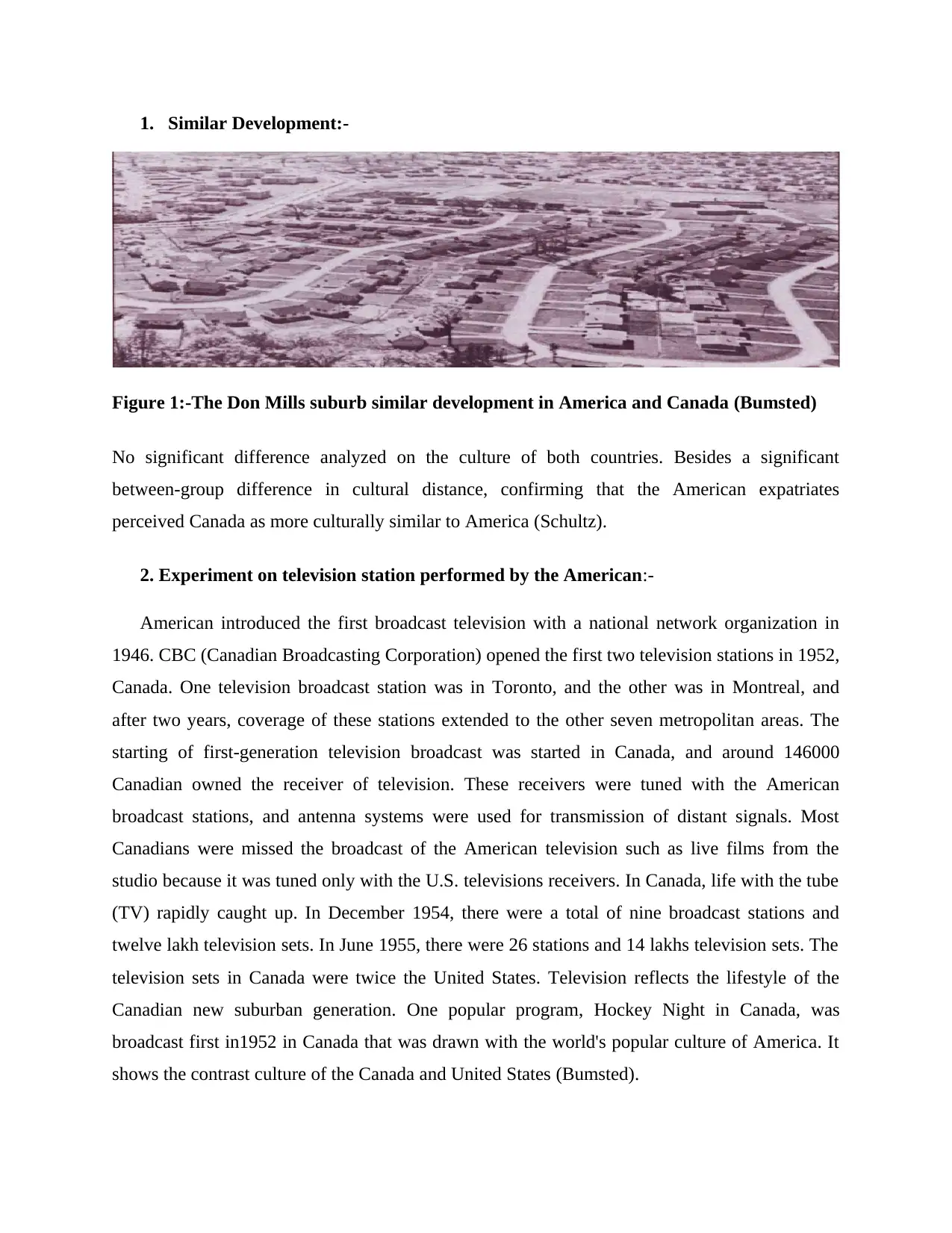
Figure 1:-The Don Mills suburb similar development in America and Canada (Bumsted)
No significant difference analyzed on the culture of both countries. Besides a significant
between-group difference in cultural distance, confirming that the American expatriates
perceived Canada as more culturally similar to America (Schultz).
2. Experiment on television station performed by the American:-
American introduced the first broadcast television with a national network organization in
1946. CBC (Canadian Broadcasting Corporation) opened the first two television stations in 1952,
Canada. One television broadcast station was in Toronto, and the other was in Montreal, and
after two years, coverage of these stations extended to the other seven metropolitan areas. The
starting of first-generation television broadcast was started in Canada, and around 146000
Canadian owned the receiver of television. These receivers were tuned with the American
broadcast stations, and antenna systems were used for transmission of distant signals. Most
Canadians were missed the broadcast of the American television such as live films from the
studio because it was tuned only with the U.S. televisions receivers. In Canada, life with the tube
(TV) rapidly caught up. In December 1954, there were a total of nine broadcast stations and
twelve lakh television sets. In June 1955, there were 26 stations and 14 lakhs television sets. The
television sets in Canada were twice the United States. Television reflects the lifestyle of the
Canadian new suburban generation. One popular program, Hockey Night in Canada, was
broadcast first in1952 in Canada that was drawn with the world's popular culture of America. It
shows the contrast culture of the Canada and United States (Bumsted).
Figure 1:-The Don Mills suburb similar development in America and Canada (Bumsted)
No significant difference analyzed on the culture of both countries. Besides a significant
between-group difference in cultural distance, confirming that the American expatriates
perceived Canada as more culturally similar to America (Schultz).
2. Experiment on television station performed by the American:-
American introduced the first broadcast television with a national network organization in
1946. CBC (Canadian Broadcasting Corporation) opened the first two television stations in 1952,
Canada. One television broadcast station was in Toronto, and the other was in Montreal, and
after two years, coverage of these stations extended to the other seven metropolitan areas. The
starting of first-generation television broadcast was started in Canada, and around 146000
Canadian owned the receiver of television. These receivers were tuned with the American
broadcast stations, and antenna systems were used for transmission of distant signals. Most
Canadians were missed the broadcast of the American television such as live films from the
studio because it was tuned only with the U.S. televisions receivers. In Canada, life with the tube
(TV) rapidly caught up. In December 1954, there were a total of nine broadcast stations and
twelve lakh television sets. In June 1955, there were 26 stations and 14 lakhs television sets. The
television sets in Canada were twice the United States. Television reflects the lifestyle of the
Canadian new suburban generation. One popular program, Hockey Night in Canada, was
broadcast first in1952 in Canada that was drawn with the world's popular culture of America. It
shows the contrast culture of the Canada and United States (Bumsted).
⊘ This is a preview!⊘
Do you want full access?
Subscribe today to unlock all pages.

Trusted by 1+ million students worldwide
3. Development in suburbia:-
To promote the development of the suburbia, CMHC (Canada Mortgage and Housing
Corporation) designed a new storage housing building in the 1920s. Suburbia was physical semi-
detached and detached house with lawns and yards which were located at the edge of the city.
The trends of rural and urban residency remain continued through the period of 1946-1972. The
rural population remained the same while the urban population proportion increased steadily.
Increment in the size of Canadian cities increased the growth of the population in the residential
and downtown areas (Ekers et al. 405-422). Its impact was seen on the land prices, which
increased rapidly and made the land uneconomic for the residential purpose (Buhr, and
Freedman 293-322). At the beginning of 1960, the building structure was vast, that was made of
the tinted plate glasses this international architecture was made in Canada. One of the most
famous Monuments of the country whose building built with a rectangular tower of black steel &
bronze-tinted glass. This architecture was designed in the TDC (Toronto-Dominion Centre)
located in Toronto and designed by the American Artist named as Mies van der Rohe (Bumsted).
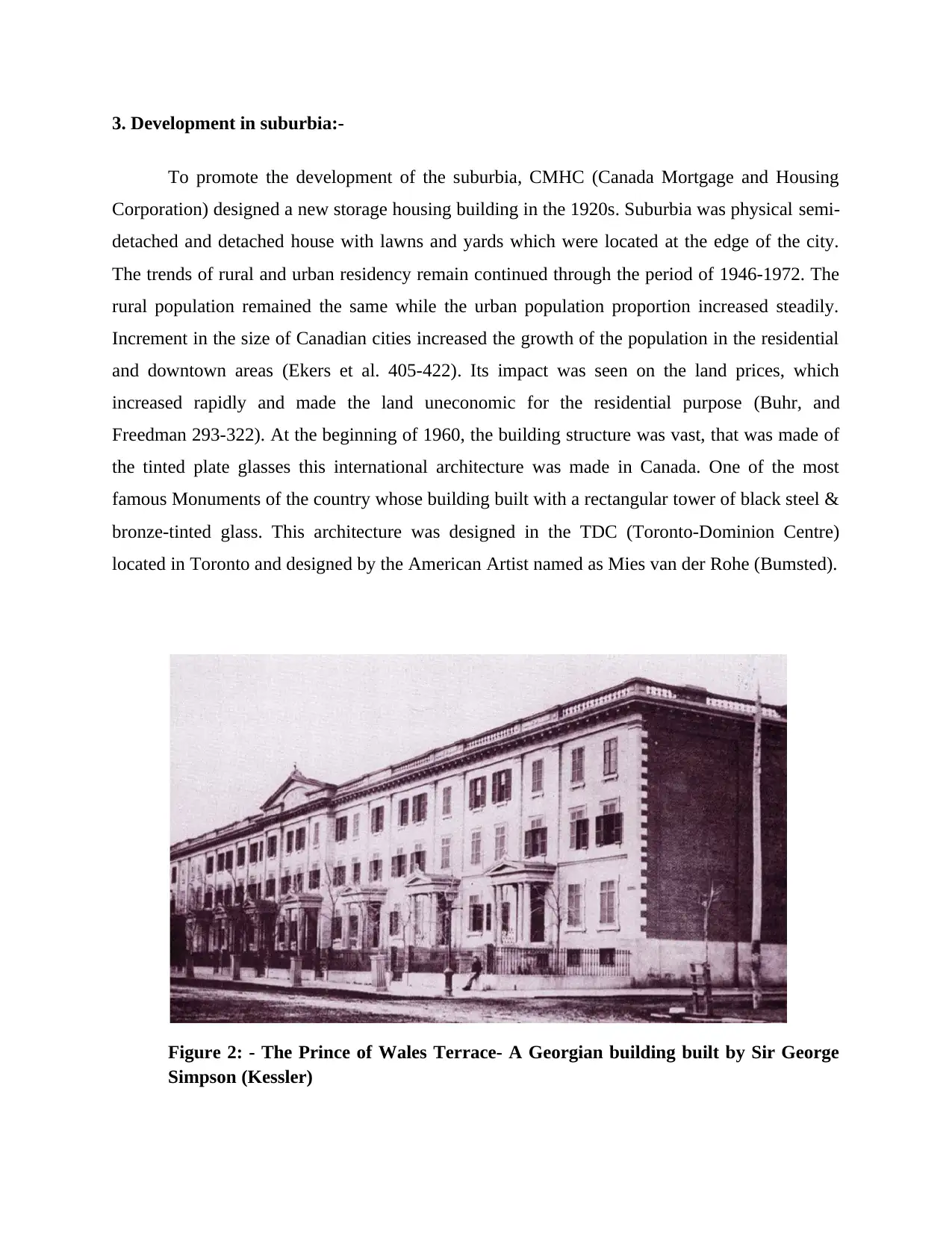
Figure 2: - The Prince of Wales Terrace- A Georgian building built by Sir George
Simpson (Kessler)
To promote the development of the suburbia, CMHC (Canada Mortgage and Housing
Corporation) designed a new storage housing building in the 1920s. Suburbia was physical semi-
detached and detached house with lawns and yards which were located at the edge of the city.
The trends of rural and urban residency remain continued through the period of 1946-1972. The
rural population remained the same while the urban population proportion increased steadily.
Increment in the size of Canadian cities increased the growth of the population in the residential
and downtown areas (Ekers et al. 405-422). Its impact was seen on the land prices, which
increased rapidly and made the land uneconomic for the residential purpose (Buhr, and
Freedman 293-322). At the beginning of 1960, the building structure was vast, that was made of
the tinted plate glasses this international architecture was made in Canada. One of the most
famous Monuments of the country whose building built with a rectangular tower of black steel &
bronze-tinted glass. This architecture was designed in the TDC (Toronto-Dominion Centre)
located in Toronto and designed by the American Artist named as Mies van der Rohe (Bumsted).
Figure 2: - The Prince of Wales Terrace- A Georgian building built by Sir George
Simpson (Kessler)
Paraphrase This Document
Need a fresh take? Get an instant paraphrase of this document with our AI Paraphraser
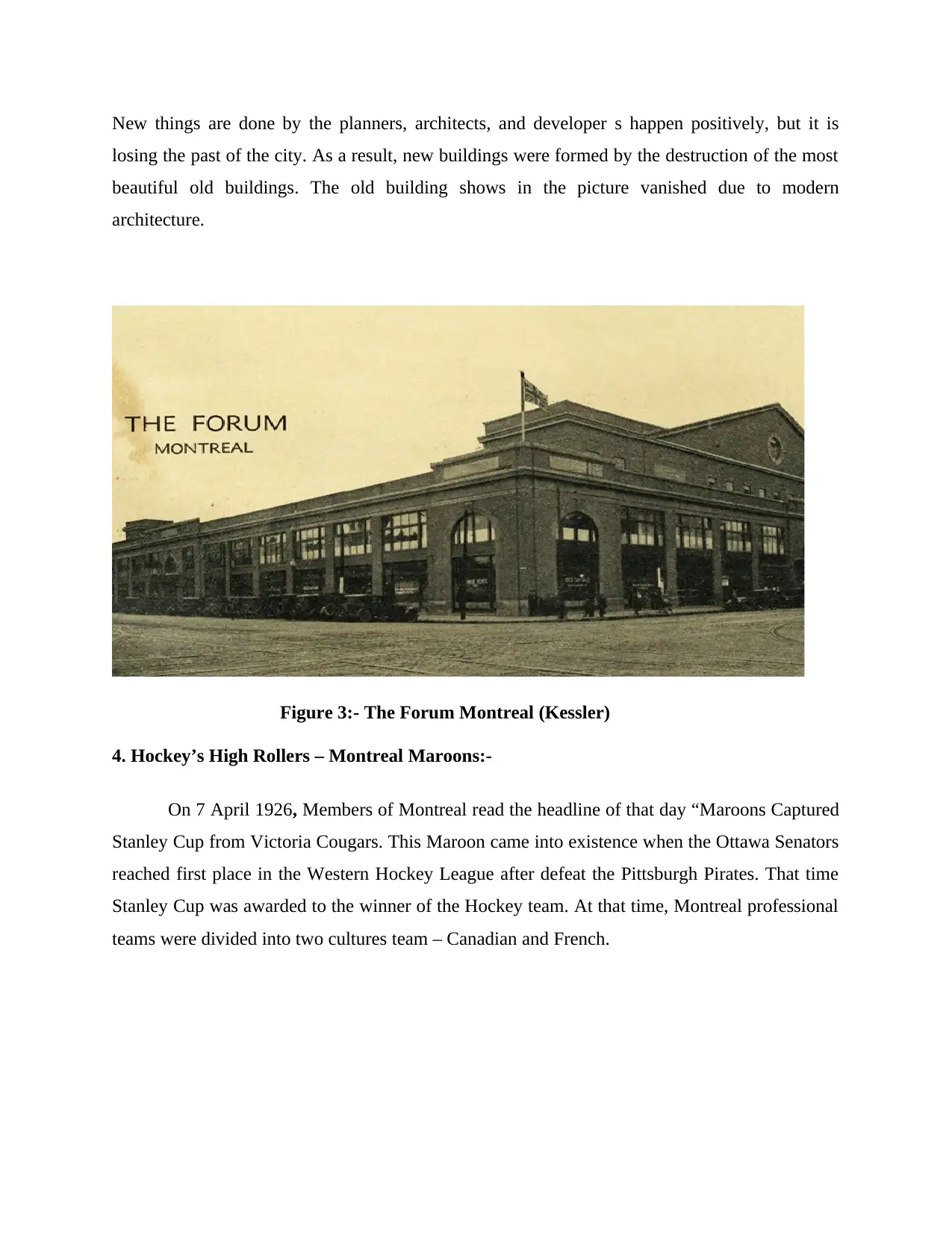
New things are done by the planners, architects, and developer s happen positively, but it is
losing the past of the city. As a result, new buildings were formed by the destruction of the most
beautiful old buildings. The old building shows in the picture vanished due to modern
architecture.
Figure 3:- The Forum Montreal (Kessler)
4. Hockey’s High Rollers – Montreal Maroons:-
On 7 April 1926, Members of Montreal read the headline of that day “Maroons Captured
Stanley Cup from Victoria Cougars. This Maroon came into existence when the Ottawa Senators
reached first place in the Western Hockey League after defeat the Pittsburgh Pirates. That time
Stanley Cup was awarded to the winner of the Hockey team. At that time, Montreal professional
teams were divided into two cultures team – Canadian and French.
losing the past of the city. As a result, new buildings were formed by the destruction of the most
beautiful old buildings. The old building shows in the picture vanished due to modern
architecture.
Figure 3:- The Forum Montreal (Kessler)
4. Hockey’s High Rollers – Montreal Maroons:-
On 7 April 1926, Members of Montreal read the headline of that day “Maroons Captured
Stanley Cup from Victoria Cougars. This Maroon came into existence when the Ottawa Senators
reached first place in the Western Hockey League after defeat the Pittsburgh Pirates. That time
Stanley Cup was awarded to the winner of the Hockey team. At that time, Montreal professional
teams were divided into two cultures team – Canadian and French.
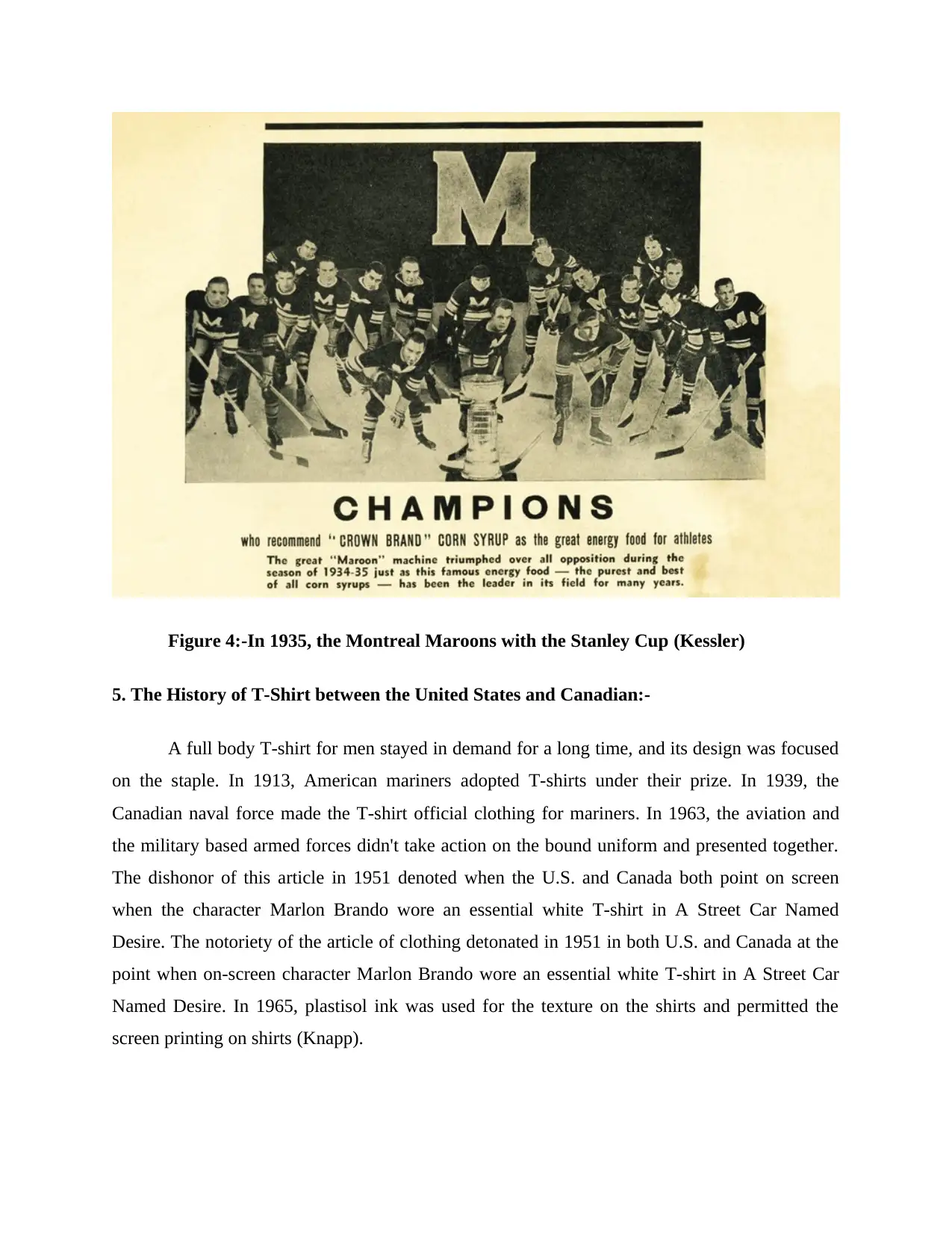
Figure 4:-In 1935, the Montreal Maroons with the Stanley Cup (Kessler)
5. The History of T-Shirt between the United States and Canadian:-
A full body T-shirt for men stayed in demand for a long time, and its design was focused
on the staple. In 1913, American mariners adopted T-shirts under their prize. In 1939, the
Canadian naval force made the T-shirt official clothing for mariners. In 1963, the aviation and
the military based armed forces didn't take action on the bound uniform and presented together.
The dishonor of this article in 1951 denoted when the U.S. and Canada both point on screen
when the character Marlon Brando wore an essential white T-shirt in A Street Car Named
Desire. The notoriety of the article of clothing detonated in 1951 in both U.S. and Canada at the
point when on-screen character Marlon Brando wore an essential white T-shirt in A Street Car
Named Desire. In 1965, plastisol ink was used for the texture on the shirts and permitted the
screen printing on shirts (Knapp).
5. The History of T-Shirt between the United States and Canadian:-
A full body T-shirt for men stayed in demand for a long time, and its design was focused
on the staple. In 1913, American mariners adopted T-shirts under their prize. In 1939, the
Canadian naval force made the T-shirt official clothing for mariners. In 1963, the aviation and
the military based armed forces didn't take action on the bound uniform and presented together.
The dishonor of this article in 1951 denoted when the U.S. and Canada both point on screen
when the character Marlon Brando wore an essential white T-shirt in A Street Car Named
Desire. The notoriety of the article of clothing detonated in 1951 in both U.S. and Canada at the
point when on-screen character Marlon Brando wore an essential white T-shirt in A Street Car
Named Desire. In 1965, plastisol ink was used for the texture on the shirts and permitted the
screen printing on shirts (Knapp).
⊘ This is a preview!⊘
Do you want full access?
Subscribe today to unlock all pages.
Trusted by 1+ million students worldwide
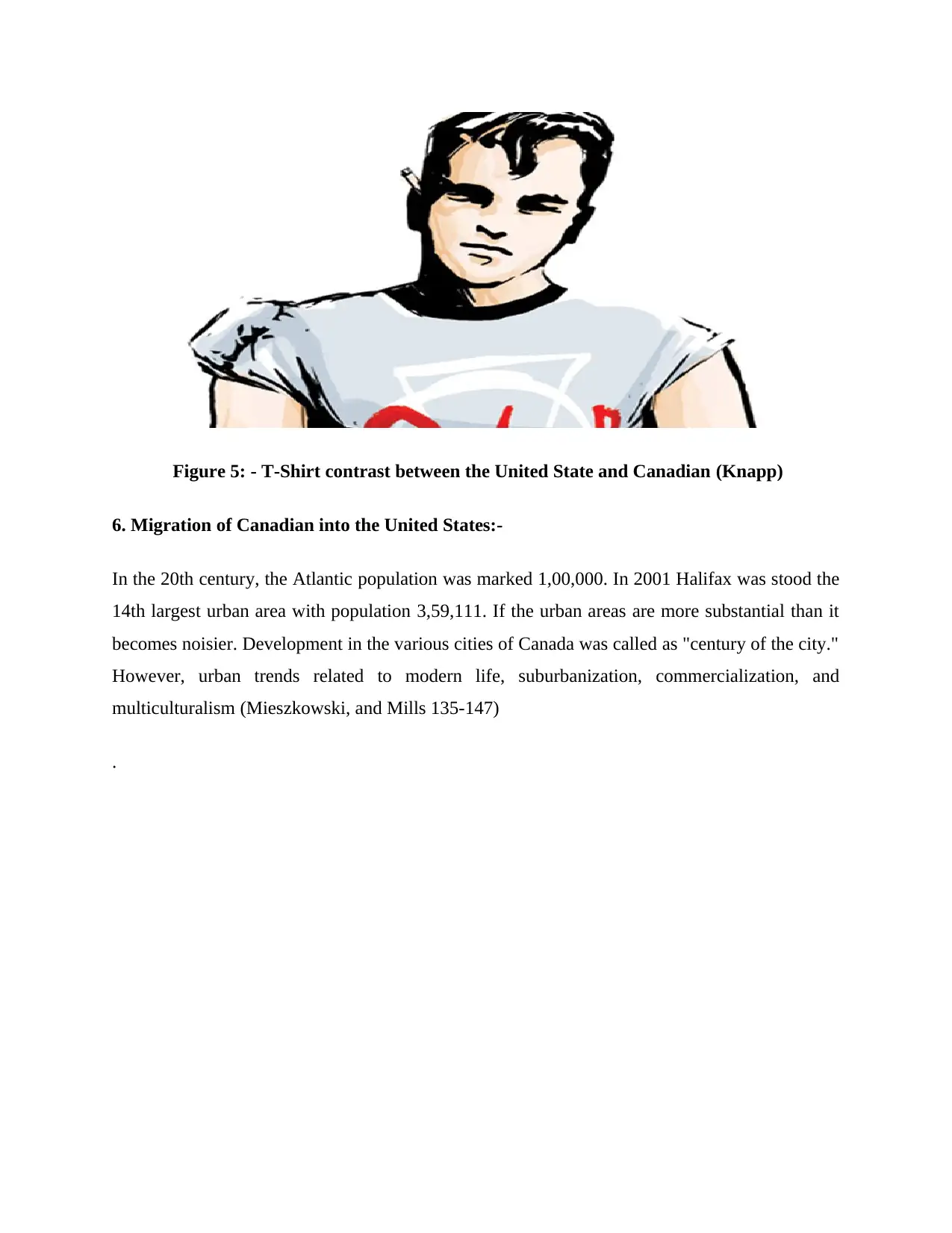
Figure 5: - T-Shirt contrast between the United State and Canadian (Knapp)
6. Migration of Canadian into the United States:-
In the 20th century, the Atlantic population was marked 1,00,000. In 2001 Halifax was stood the
14th largest urban area with population 3,59,111. If the urban areas are more substantial than it
becomes noisier. Development in the various cities of Canada was called as "century of the city."
However, urban trends related to modern life, suburbanization, commercialization, and
multiculturalism (Mieszkowski, and Mills 135-147)
.
6. Migration of Canadian into the United States:-
In the 20th century, the Atlantic population was marked 1,00,000. In 2001 Halifax was stood the
14th largest urban area with population 3,59,111. If the urban areas are more substantial than it
becomes noisier. Development in the various cities of Canada was called as "century of the city."
However, urban trends related to modern life, suburbanization, commercialization, and
multiculturalism (Mieszkowski, and Mills 135-147)
.
Paraphrase This Document
Need a fresh take? Get an instant paraphrase of this document with our AI Paraphraser

Figure 6:-The survey of several distinct villages and struggles to create the density
(Belshaw)
Since 1961 major of the Canadian population was lived in urban cities, and this year's population
of the city was 1.65 million, and the total national population was around 8.8 million. In 1941
out of 11.6 million people, 2.6 million peoples are big-city dwellers. Nearly half of the 23
million Canadian peoples was live in the urban city; by this contrast, the percentage of Canadian
living in the cites fallen from 1921 to 1951 is 19% to 15%, and from 1951-1971 is from 15-11%.
in the 1920s, Canadians started migration away from the city. 'Suburban' means that outskirt
from the city (Mieszkowski, and Edwin 135-147). Suburbanization was increased in the year of
1930s and 1940s. Large numbers of city developers migrated in to entirely new communities.
Several push factors are responsible for the suburbanization (Tammaru et al.). The problem, such
as poverty in the 1930s arises in Canada after the world war. That time some industries were
relocated to the edges of the cities. The year of 1945 arises with global conflict and natural
disaster (Arnold, and Tigert 1-2). This generation brought unemployment. This concern was
addressed at the political level. The population increased in the urban area called white flight.
White flight states that migration of the working and middle-class European-Canadians to the
United States. Increase the flight in1950's suburbs leads towards the growth of the highway
systems. People start migration in American cites because the economy of Canada lagged as
compared with America (Lithwick 27-41). Suburbanization provided the place to the Canadians
(Belshaw)
Since 1961 major of the Canadian population was lived in urban cities, and this year's population
of the city was 1.65 million, and the total national population was around 8.8 million. In 1941
out of 11.6 million people, 2.6 million peoples are big-city dwellers. Nearly half of the 23
million Canadian peoples was live in the urban city; by this contrast, the percentage of Canadian
living in the cites fallen from 1921 to 1951 is 19% to 15%, and from 1951-1971 is from 15-11%.
in the 1920s, Canadians started migration away from the city. 'Suburban' means that outskirt
from the city (Mieszkowski, and Edwin 135-147). Suburbanization was increased in the year of
1930s and 1940s. Large numbers of city developers migrated in to entirely new communities.
Several push factors are responsible for the suburbanization (Tammaru et al.). The problem, such
as poverty in the 1930s arises in Canada after the world war. That time some industries were
relocated to the edges of the cities. The year of 1945 arises with global conflict and natural
disaster (Arnold, and Tigert 1-2). This generation brought unemployment. This concern was
addressed at the political level. The population increased in the urban area called white flight.
White flight states that migration of the working and middle-class European-Canadians to the
United States. Increase the flight in1950's suburbs leads towards the growth of the highway
systems. People start migration in American cites because the economy of Canada lagged as
compared with America (Lithwick 27-41). Suburbanization provided the place to the Canadians
who sincerely wanted, and they could experience the pioneer in new communities in that place.
It was September 1876; The Canadian sculler had entered the esteemed Philadelphia Centennial
Regatta as the dark horse. Indeed, he had won a couple of races up north. Be that as it may, this
was the United States — and this occasion was a severe deal. The race was a part of the
Philadelphia Centennial Exhibition, and worlds acceptable held to praise the one-hundredth
memorialization of the established in the United States. The Americans were trying their best
and wanted to include their high single scullers.
The twenty one year old Ned, Irish migrants, came from Toronto and went against
America. At that point, the situation was harrowing. Two Canadians named Alex Brayley and
Hanlan of Saint John, who wounded own self by doing fight with each other in the final.
Then a man who’s named Charles Courtney, from the Union Springs-New York became
the champion. Hanlan's triumph at America's annual festivals gave Canada its first worldwide
games saint. He would proceed to overrun this game and turned into the recognized name, such
as a place in Paris. Hanlan's triumph at America's centennial festivals gave Canada its first
worldwide games saint. This place was renamed as Hanlan’s Point in the sculler honor. A single
Canadian sculler was known as with a name the "Kid in Blue." In 1873, Hanlan won his first
championship named Toronto Bay and continued to win this series of triumphs at the national
levels. In Hanlan and Courtney, the press had discovered its ideal story: The spunky minimal
Canadian named "Strong Ned" versus ‘the amazing Am.'
After 1850, the step towards industrialization and urbanization were quicker in the United
States, which provided a broad scope of workers from Canada. By 1870, 1/6 of the considerable
number of individuals imagine in Canada had moved to the United States. It was normal for
individuals to move to the U.S., for example, regular loggers, business people searching for more
significant markets, and families searching for occupations in the material plants that paid a lot
higher wages than in Canada.
The dissimilarity between the culture of the U.S. and Canada is that all have diverse
character qualities (Hiller, and Lipset 200). Canada has two authority Languages, English and
French. While Americans in Spanish, they did not need to learn these languages. Canadians need
to accept either English or French as a consecutive language in school, depending upon which
It was September 1876; The Canadian sculler had entered the esteemed Philadelphia Centennial
Regatta as the dark horse. Indeed, he had won a couple of races up north. Be that as it may, this
was the United States — and this occasion was a severe deal. The race was a part of the
Philadelphia Centennial Exhibition, and worlds acceptable held to praise the one-hundredth
memorialization of the established in the United States. The Americans were trying their best
and wanted to include their high single scullers.
The twenty one year old Ned, Irish migrants, came from Toronto and went against
America. At that point, the situation was harrowing. Two Canadians named Alex Brayley and
Hanlan of Saint John, who wounded own self by doing fight with each other in the final.
Then a man who’s named Charles Courtney, from the Union Springs-New York became
the champion. Hanlan's triumph at America's annual festivals gave Canada its first worldwide
games saint. He would proceed to overrun this game and turned into the recognized name, such
as a place in Paris. Hanlan's triumph at America's centennial festivals gave Canada its first
worldwide games saint. This place was renamed as Hanlan’s Point in the sculler honor. A single
Canadian sculler was known as with a name the "Kid in Blue." In 1873, Hanlan won his first
championship named Toronto Bay and continued to win this series of triumphs at the national
levels. In Hanlan and Courtney, the press had discovered its ideal story: The spunky minimal
Canadian named "Strong Ned" versus ‘the amazing Am.'
After 1850, the step towards industrialization and urbanization were quicker in the United
States, which provided a broad scope of workers from Canada. By 1870, 1/6 of the considerable
number of individuals imagine in Canada had moved to the United States. It was normal for
individuals to move to the U.S., for example, regular loggers, business people searching for more
significant markets, and families searching for occupations in the material plants that paid a lot
higher wages than in Canada.
The dissimilarity between the culture of the U.S. and Canada is that all have diverse
character qualities (Hiller, and Lipset 200). Canada has two authority Languages, English and
French. While Americans in Spanish, they did not need to learn these languages. Canadians need
to accept either English or French as a consecutive language in school, depending upon which
⊘ This is a preview!⊘
Do you want full access?
Subscribe today to unlock all pages.
Trusted by 1+ million students worldwide

part of the nation they are from. If you are working in Montréal or Québec, you should
communicate in French. If you are working together in Miami, then Spanish is spoken by 70% of
the population. While working together in Miami, a comprehension of Hispanic culture is helpful
for the similarity of both countries.
Conclusion:-
The most stable and mutually beneficial international relationships in the world have been a
result of shared cultural and historical heritage. A few similarities between Canadian-American
individual values combine with comparative media behavior, comparable recognitions of values
relate to TV excitement programming, and publicizing. Both national respondent bunches appear
to be submerged in comparative media-cultural situations. Social contacts and other relational
factors are comparable in the histories of the U.S. and Canada, which are related to mutual
language and financial interrelationships. It is clear that the Canadian and U.S. understudy right
now an exceptionally comparative Borderland esteem framework and social point of view.
communicate in French. If you are working together in Miami, then Spanish is spoken by 70% of
the population. While working together in Miami, a comprehension of Hispanic culture is helpful
for the similarity of both countries.
Conclusion:-
The most stable and mutually beneficial international relationships in the world have been a
result of shared cultural and historical heritage. A few similarities between Canadian-American
individual values combine with comparative media behavior, comparable recognitions of values
relate to TV excitement programming, and publicizing. Both national respondent bunches appear
to be submerged in comparative media-cultural situations. Social contacts and other relational
factors are comparable in the histories of the U.S. and Canada, which are related to mutual
language and financial interrelationships. It is clear that the Canadian and U.S. understudy right
now an exceptionally comparative Borderland esteem framework and social point of view.
Paraphrase This Document
Need a fresh take? Get an instant paraphrase of this document with our AI Paraphraser
References:-
Arnold, S. J., and D. J. Tigert. "Canadians And Americans: A Comparative Analysis."
International Journal Of Comparative Sociology, vol 15, no. 1-2, 1974, pp. 68-83. SAGE
Publications, doi:10.1177/002071527401500106.
Belshaw, John. "9.13 Cold War Society: Cities And Suburbs". Opentextbc.Ca, 2020,
https://opentextbc.ca/postconfederation/chapter/9-13-cities-and-suburbs/.
Buhr, Nola, and Martin Freedman. "Culture, Institutional Factors And Differences In
Environmental Disclosure Between Canada And The United States". Critical
Perspectives On Accounting, vol 12, no. 3, 2001, pp. 293-322. Elsevier BV,
doi:10.1006/cpac.2000.0435.
Bumsted, J.m. " Home sweet suburb. " Culture & society. Web 20 march 2019. 2019. <
https://www.canadashistory.ca/explore/arts-culture-society/home-sweet-suburb. > '
Ekers, Michael et al. "Governing Suburbia: Modalities And Mechanisms Of Suburban
Governance". Regional Studies, vol 46, no. 3, 2012, pp70-90.. Informa UK Limited,
doi:10.1080/00343404.2012.658036.
Hiller, Harry H., and Seymour Martin Lipset. "Are Canadians Really Different From
Americans?". Contemporary Sociology, vol 20, no. 2, 1991, p. 200. SAGE Publications,
doi:10.2307/2072904.
Kessler, Ryan " Montreal maroons: hockey's high rollers. " Canadian history. Web 22 march
2013. 2013. < https://www.canadashistory.ca/explore/arts,-culture-society/montreal-
maroons-hockey-s-high-rollers. >.
Knapp, Jessica " The history of the t-shirt. " Canadian history. Web May 31, 2015. 2020. <
https://www.canadashistory.ca/explore/arts,-culture-society/the-history-of-the-t-shirt. >
Konrad, Victor, and Heather N. Nicol. "Border Culture, The Boundary Between Canada And
The United States Of America, And The Advancement Of Borderlands Theory".
Geopolitics, vol 16, no. 1, 2011, pp. 70-90. Informa UK Limited,
doi:10.1080/14650045.2010.493773.
Linteau, Paul-Andre. "Canadian Suburbanization In A North American Context". Journal Of
Urban History, vol 13, no. 3, 1987, pp. 252-274. SAGE Publications,
doi:10.1177/009614428701300304.
Lithwick, N.H. "Poverty In Canada: Some Recent Empirical Findings". Journal Of Canadian
Studies, vol 6, no. 2, 1971, pp. 27-41. University Of Toronto Press Inc. (Utpress),
doi:10.3138/jcs.6.2.27.
Arnold, S. J., and D. J. Tigert. "Canadians And Americans: A Comparative Analysis."
International Journal Of Comparative Sociology, vol 15, no. 1-2, 1974, pp. 68-83. SAGE
Publications, doi:10.1177/002071527401500106.
Belshaw, John. "9.13 Cold War Society: Cities And Suburbs". Opentextbc.Ca, 2020,
https://opentextbc.ca/postconfederation/chapter/9-13-cities-and-suburbs/.
Buhr, Nola, and Martin Freedman. "Culture, Institutional Factors And Differences In
Environmental Disclosure Between Canada And The United States". Critical
Perspectives On Accounting, vol 12, no. 3, 2001, pp. 293-322. Elsevier BV,
doi:10.1006/cpac.2000.0435.
Bumsted, J.m. " Home sweet suburb. " Culture & society. Web 20 march 2019. 2019. <
https://www.canadashistory.ca/explore/arts-culture-society/home-sweet-suburb. > '
Ekers, Michael et al. "Governing Suburbia: Modalities And Mechanisms Of Suburban
Governance". Regional Studies, vol 46, no. 3, 2012, pp70-90.. Informa UK Limited,
doi:10.1080/00343404.2012.658036.
Hiller, Harry H., and Seymour Martin Lipset. "Are Canadians Really Different From
Americans?". Contemporary Sociology, vol 20, no. 2, 1991, p. 200. SAGE Publications,
doi:10.2307/2072904.
Kessler, Ryan " Montreal maroons: hockey's high rollers. " Canadian history. Web 22 march
2013. 2013. < https://www.canadashistory.ca/explore/arts,-culture-society/montreal-
maroons-hockey-s-high-rollers. >.
Knapp, Jessica " The history of the t-shirt. " Canadian history. Web May 31, 2015. 2020. <
https://www.canadashistory.ca/explore/arts,-culture-society/the-history-of-the-t-shirt. >
Konrad, Victor, and Heather N. Nicol. "Border Culture, The Boundary Between Canada And
The United States Of America, And The Advancement Of Borderlands Theory".
Geopolitics, vol 16, no. 1, 2011, pp. 70-90. Informa UK Limited,
doi:10.1080/14650045.2010.493773.
Linteau, Paul-Andre. "Canadian Suburbanization In A North American Context". Journal Of
Urban History, vol 13, no. 3, 1987, pp. 252-274. SAGE Publications,
doi:10.1177/009614428701300304.
Lithwick, N.H. "Poverty In Canada: Some Recent Empirical Findings". Journal Of Canadian
Studies, vol 6, no. 2, 1971, pp. 27-41. University Of Toronto Press Inc. (Utpress),
doi:10.3138/jcs.6.2.27.

Mieszkowski, Peter, and Edwin S Mills. "The Causes Of Metropolitan Suburbanization".
Journal Of Economic Perspectives, vol 7, no. 3, 1993, pp. 135-147. American Economic
Association, doi:10.1257/jep.7.3.135.
Schultz, Caroline. "Mapping Of Population Diversity In Canada And Germany: Different
Strategies, Similar Pragmatism". Review Of European And Russian Affairs, vol 11, no. 1,
2017. Carleton University, doi:10.22215/rera.v11i1.255.
Tammaru, Tiit et al. "Urbanization, Suburbanization, And Counterurbanization In Estonia".
Eurasian Geography And Economics, vol 45, no. 3, 2004, pp. 212-229. Informa UK
Limited, doi:10.2747/1538-7216.45.3.212.
Journal Of Economic Perspectives, vol 7, no. 3, 1993, pp. 135-147. American Economic
Association, doi:10.1257/jep.7.3.135.
Schultz, Caroline. "Mapping Of Population Diversity In Canada And Germany: Different
Strategies, Similar Pragmatism". Review Of European And Russian Affairs, vol 11, no. 1,
2017. Carleton University, doi:10.22215/rera.v11i1.255.
Tammaru, Tiit et al. "Urbanization, Suburbanization, And Counterurbanization In Estonia".
Eurasian Geography And Economics, vol 45, no. 3, 2004, pp. 212-229. Informa UK
Limited, doi:10.2747/1538-7216.45.3.212.
⊘ This is a preview!⊘
Do you want full access?
Subscribe today to unlock all pages.
Trusted by 1+ million students worldwide

1 out of 12


Your All-in-One AI-Powered Toolkit for Academic Success.
+13062052269
info@desklib.com
Available 24*7 on WhatsApp / Email
![[object Object]](/_next/static/media/star-bottom.7253800d.svg)
Unlock your academic potential
Copyright © 2020–2026 A2Z Services. All Rights Reserved. Developed and managed by ZUCOL.