SBM4303: Enterprise Architecture Portfolio - Case Study Analysis
VerifiedAdded on 2023/01/19
|18
|3573
|97
Project
AI Summary
This Enterprise Architecture portfolio presents a detailed analysis of various EA concepts and frameworks. The project begins with a case study analysis, identifying problems within an organization and proposing solutions. It then explores the Zachman Framework, TOGAF, FEA, and the relationship between EA and SOA. The portfolio includes data modeling exercises, creating Entity Relationship Diagrams for different scenarios. Furthermore, the project addresses key questions related to EA implementation, risks, and methodologies, including the importance of EA in relation to big data and its impact on the business. The document also delves into the artifacts, methodologies, and standards involved in EA, along with a final case study on Walmart's use of the EA3 Cube Framework. The goal is to provide a comprehensive overview of EA principles, methodologies, and their practical application in real-world scenarios.
Running head: ENTERPRISE ARCHITECTURE
Enterprise Architecture
Name of the Student
Name of the University
Author’s Note:
Enterprise Architecture
Name of the Student
Name of the University
Author’s Note:

Paraphrase This Document
Need a fresh take? Get an instant paraphrase of this document with our AI Paraphraser
1ENTERPRISE ARCHITECTURE
Table of Contents
Portfolio 1.1:....................................................................................................................................2
Portfolio 1.2:....................................................................................................................................3
Portfolio 1.3:....................................................................................................................................5
Portfolio 1.4:....................................................................................................................................7
Week-3:........................................................................................................................................7
Week-4:........................................................................................................................................8
Week-7:......................................................................................................................................10
Portfolio 1.5:..................................................................................................................................12
Bibliography:.................................................................................................................................15
Table of Contents
Portfolio 1.1:....................................................................................................................................2
Portfolio 1.2:....................................................................................................................................3
Portfolio 1.3:....................................................................................................................................5
Portfolio 1.4:....................................................................................................................................7
Week-3:........................................................................................................................................7
Week-4:........................................................................................................................................8
Week-7:......................................................................................................................................10
Portfolio 1.5:..................................................................................................................................12
Bibliography:.................................................................................................................................15
2ENTERPRISE ARCHITECTURE
Portfolio 1.1:
Main Problems: The main problem of the organization is that it has decentralized
structure that is not allowing to implement single point of contact. The managers of the
organization was accountable for running the business. This autonomous management structure
has provided profit to the organization, however, is now making the biggest issue in developing a
customer friendly approach. Another issue that organization is facing is proving high quality and
effective support to the consumers.
Aligning the IT with the freshly accepted corporate strategy is a problem for the
organization too. The organization is trying to provide training to the employees but it is not
resulting as effective as desired.
Solutions: The organization need to develop a manual for the system that can assist the
employee to interact with the system on their own. This is very vital for the employees because it
will boost their confidence and they will start to explore the system functionalities faster. J&J
needs a customer relationship management system that can facilitate the customer request
processing and customer response process. The organization can implement the CRM in the core
of the architecture so that newly proposed system can be user centric.
Zachman Framework: The Zachman Framework is considered to be one of the major
source of origin of enterprise architecture. This framework will allow J&J to examine, install and
customize newly proposed enterprise architecture frameworks, tools and methods. J&J can use
the Zachman Framework as a logical framework to classify and organize the expressive
showcasing of the enterprise. This enterprise representation will prove to be important for
Portfolio 1.1:
Main Problems: The main problem of the organization is that it has decentralized
structure that is not allowing to implement single point of contact. The managers of the
organization was accountable for running the business. This autonomous management structure
has provided profit to the organization, however, is now making the biggest issue in developing a
customer friendly approach. Another issue that organization is facing is proving high quality and
effective support to the consumers.
Aligning the IT with the freshly accepted corporate strategy is a problem for the
organization too. The organization is trying to provide training to the employees but it is not
resulting as effective as desired.
Solutions: The organization need to develop a manual for the system that can assist the
employee to interact with the system on their own. This is very vital for the employees because it
will boost their confidence and they will start to explore the system functionalities faster. J&J
needs a customer relationship management system that can facilitate the customer request
processing and customer response process. The organization can implement the CRM in the core
of the architecture so that newly proposed system can be user centric.
Zachman Framework: The Zachman Framework is considered to be one of the major
source of origin of enterprise architecture. This framework will allow J&J to examine, install and
customize newly proposed enterprise architecture frameworks, tools and methods. J&J can use
the Zachman Framework as a logical framework to classify and organize the expressive
showcasing of the enterprise. This enterprise representation will prove to be important for
⊘ This is a preview!⊘
Do you want full access?
Subscribe today to unlock all pages.

Trusted by 1+ million students worldwide
3ENTERPRISE ARCHITECTURE
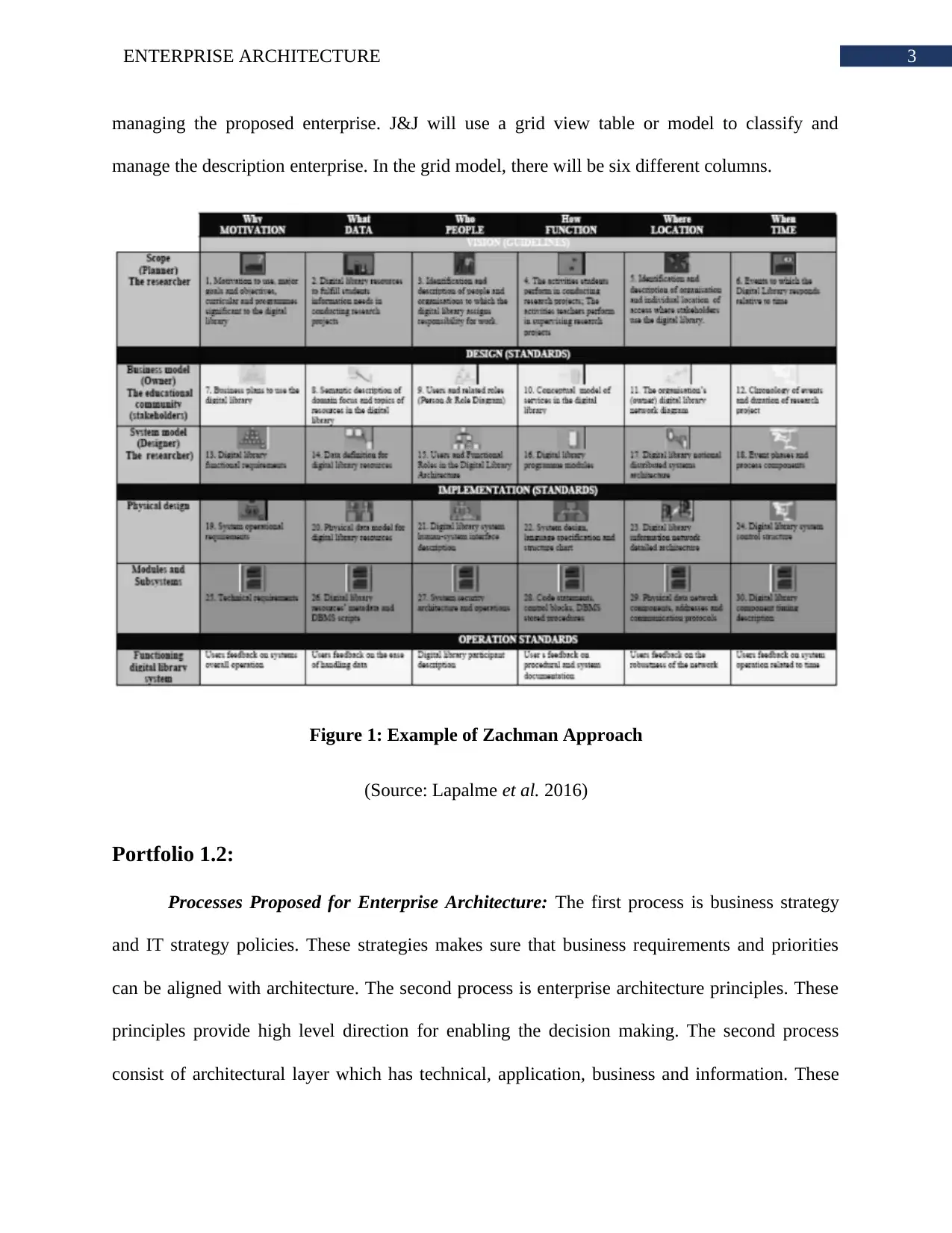
managing the proposed enterprise. J&J will use a grid view table or model to classify and
manage the description enterprise. In the grid model, there will be six different columns.
Figure 1: Example of Zachman Approach
(Source: Lapalme et al. 2016)
Portfolio 1.2:
Processes Proposed for Enterprise Architecture: The first process is business strategy
and IT strategy policies. These strategies makes sure that business requirements and priorities
can be aligned with architecture. The second process is enterprise architecture principles. These
principles provide high level direction for enabling the decision making. The second process
consist of architectural layer which has technical, application, business and information. These
managing the proposed enterprise. J&J will use a grid view table or model to classify and
manage the description enterprise. In the grid model, there will be six different columns.
Figure 1: Example of Zachman Approach
(Source: Lapalme et al. 2016)
Portfolio 1.2:
Processes Proposed for Enterprise Architecture: The first process is business strategy
and IT strategy policies. These strategies makes sure that business requirements and priorities
can be aligned with architecture. The second process is enterprise architecture principles. These
principles provide high level direction for enabling the decision making. The second process
consist of architectural layer which has technical, application, business and information. These
Paraphrase This Document
Need a fresh take? Get an instant paraphrase of this document with our AI Paraphraser
4ENTERPRISE ARCHITECTURE
layers offer association among the technical architecture and business models. The next process
is transition plan which consist of target model, T1, T2 and current model. These transition plans
offer development roadmap. The next process is context diagram of high-level so that broader
picture can be presented. The subject area model is the next process and it allows association
among the projects and global context. The next process is the detailed models of the architecture
that entails the subject matter. The last process is technology standards and guidelines. This
process offers particular direction on developing the architectures.
Comparison between EA- Zachman, TOGAF, FEA, and Gartner: The Zachman
framework is considered to be logical structure that classifies and organizes the descriptive
illustration of an enterprise. It shows the architecture through a 6x6 matrix called grid model. US
DOD framework has been used for deriving the TOGAF framework. TOGAF enhances the
efficiency of business through offering a methodology. The The Open Group Architecture
Framework has architecture principles, architecture requirements, business architecture,
information system architecture, technology architecture and architecture realization. The
Federal Enterprise Architecture or FEA is referred to EA of federal government. The FEA offers
a basic technique regarding the integration of business, strategic and technology organization.
These integration is considered to be a part of the business performance and design.
Relation between EA and SOA: Both the enterprise architecture and Service oriented
architecture provides tangible factors of aligning the Information Technology with business.
SOA Concentrates on business process while EA concentrates on business architecture. In terms
of data architecture domain, the SOA works on data architecture and EA framework works on
information architecture. The SOA is limited to service modelling while the EA can work on
enterprise applications and application frameworks.
layers offer association among the technical architecture and business models. The next process
is transition plan which consist of target model, T1, T2 and current model. These transition plans
offer development roadmap. The next process is context diagram of high-level so that broader
picture can be presented. The subject area model is the next process and it allows association
among the projects and global context. The next process is the detailed models of the architecture
that entails the subject matter. The last process is technology standards and guidelines. This
process offers particular direction on developing the architectures.
Comparison between EA- Zachman, TOGAF, FEA, and Gartner: The Zachman
framework is considered to be logical structure that classifies and organizes the descriptive
illustration of an enterprise. It shows the architecture through a 6x6 matrix called grid model. US
DOD framework has been used for deriving the TOGAF framework. TOGAF enhances the
efficiency of business through offering a methodology. The The Open Group Architecture
Framework has architecture principles, architecture requirements, business architecture,
information system architecture, technology architecture and architecture realization. The
Federal Enterprise Architecture or FEA is referred to EA of federal government. The FEA offers
a basic technique regarding the integration of business, strategic and technology organization.
These integration is considered to be a part of the business performance and design.
Relation between EA and SOA: Both the enterprise architecture and Service oriented
architecture provides tangible factors of aligning the Information Technology with business.
SOA Concentrates on business process while EA concentrates on business architecture. In terms
of data architecture domain, the SOA works on data architecture and EA framework works on
information architecture. The SOA is limited to service modelling while the EA can work on
enterprise applications and application frameworks.
5ENTERPRISE ARCHITECTURE
Portfolio 1.3:
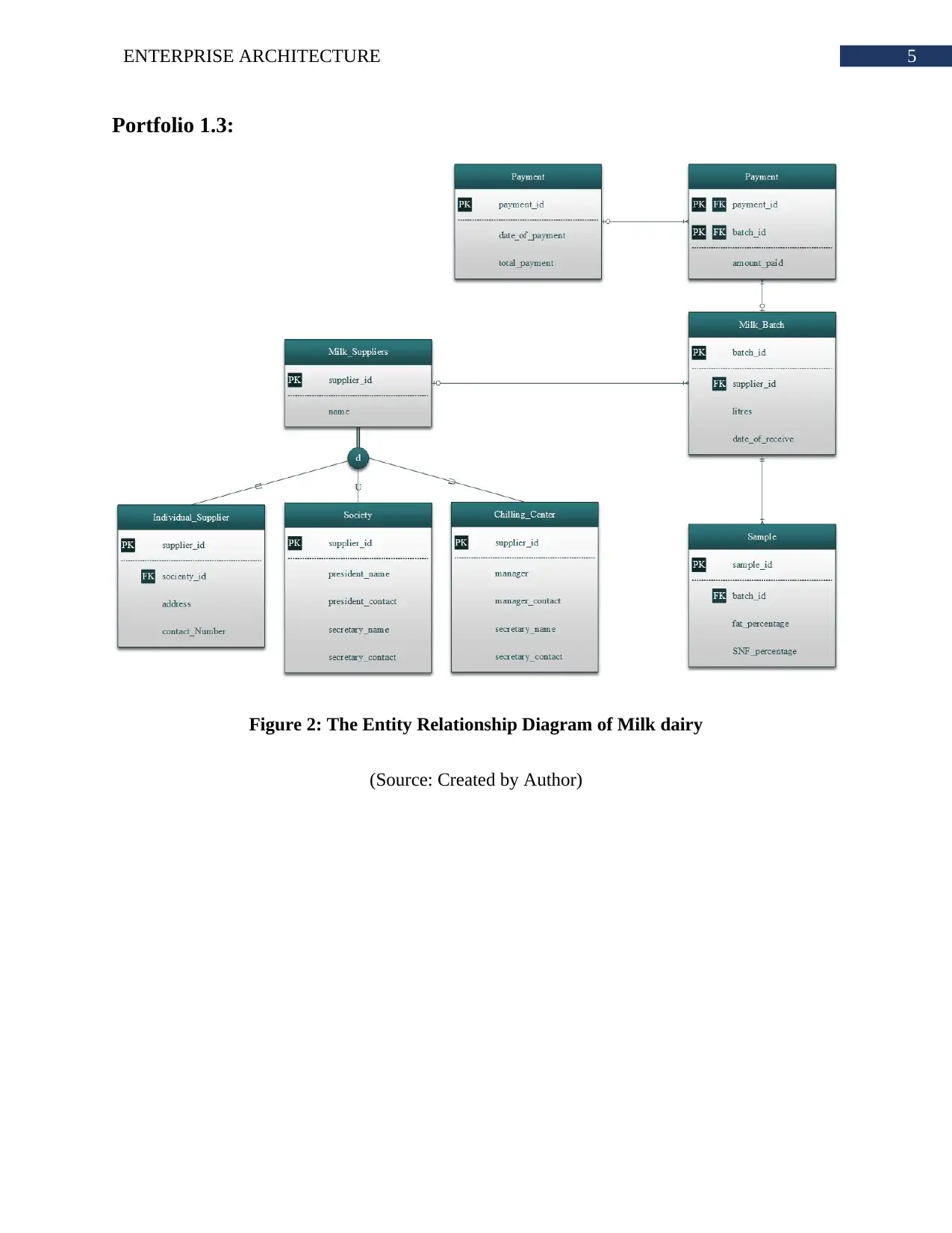
Figure 2: The Entity Relationship Diagram of Milk dairy
(Source: Created by Author)
Portfolio 1.3:
Figure 2: The Entity Relationship Diagram of Milk dairy
(Source: Created by Author)
⊘ This is a preview!⊘
Do you want full access?
Subscribe today to unlock all pages.
Trusted by 1+ million students worldwide
6ENTERPRISE ARCHITECTURE
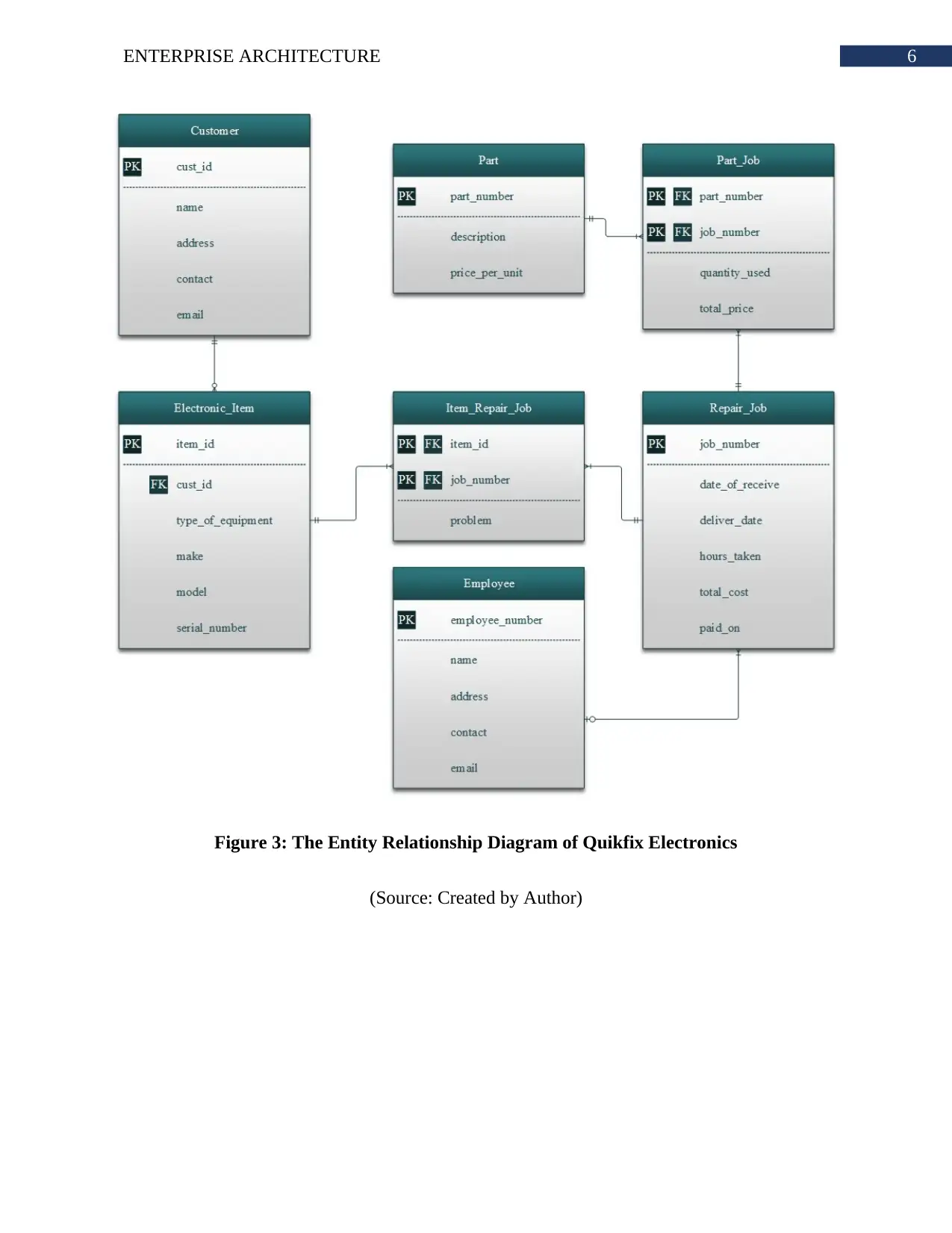
Figure 3: The Entity Relationship Diagram of Quikfix Electronics
(Source: Created by Author)
Figure 3: The Entity Relationship Diagram of Quikfix Electronics
(Source: Created by Author)
Paraphrase This Document
Need a fresh take? Get an instant paraphrase of this document with our AI Paraphraser
7ENTERPRISE ARCHITECTURE
Portfolio 1.4:
Week-3:
Answer to Question 1: The main area of values generated by the EA are: business
processes, functions, services and information systems which includes strategic direction and
business goals (Lapalme et al. 2016).
Answer to Question 2: The main risks associated with it are: Lack of understanding of
enterprise, business performance metrics, increasing solution costs, lack of effective governance,
decreasing user acceptance, confusion among stakeholders and distracting critical staff.
Answer to Question 3: It helps in developing the strategic goals by: Reviewing initiatives
with high priority against the high capabilities and resources if affects. The EA can be used to
target certain state architectures that can be built to deliver details to each initiative. EA can be
used to get together information from different resources to differentiate overlapping and
singular ideas. EA also helps the PMO to make better decisions against funding and resources.
Answer to Question 4: The EA can help the business services by supporting enterprise
level business agility and visibility. It helps the enterprise by letting it see the organizational
structure, business processes, information assets and application infrastructure.
Answer to Question 5: The EA will help enterprises view their technology by allowing
information environment changes respond to the needs of the enterprise in a controlled and
timely manner.
Answer to Question 6: The two best way to manage the risks are: 1. Accepting the risk
by identifying it and getting it registered to deal with it later. This is risk acknowledgement. 2.
Portfolio 1.4:
Week-3:
Answer to Question 1: The main area of values generated by the EA are: business
processes, functions, services and information systems which includes strategic direction and
business goals (Lapalme et al. 2016).
Answer to Question 2: The main risks associated with it are: Lack of understanding of
enterprise, business performance metrics, increasing solution costs, lack of effective governance,
decreasing user acceptance, confusion among stakeholders and distracting critical staff.
Answer to Question 3: It helps in developing the strategic goals by: Reviewing initiatives
with high priority against the high capabilities and resources if affects. The EA can be used to
target certain state architectures that can be built to deliver details to each initiative. EA can be
used to get together information from different resources to differentiate overlapping and
singular ideas. EA also helps the PMO to make better decisions against funding and resources.
Answer to Question 4: The EA can help the business services by supporting enterprise
level business agility and visibility. It helps the enterprise by letting it see the organizational
structure, business processes, information assets and application infrastructure.
Answer to Question 5: The EA will help enterprises view their technology by allowing
information environment changes respond to the needs of the enterprise in a controlled and
timely manner.
Answer to Question 6: The two best way to manage the risks are: 1. Accepting the risk
by identifying it and getting it registered to deal with it later. This is risk acknowledgement. 2.
8ENTERPRISE ARCHITECTURE
The risk can also be avoided when the enterprise can estimate beforehand the huge impact of the
risk.
Answer to Question 7: It provide technology related standards to the different levels of
EA framework. It also provides decision making support at the executive, management and staff
levels of the company. The EA also helps in identifying the operational and strategic
requirements. In these ways it connects to technology, business and strategy (Whittle and Myrick
2016).
Answer to Question 8 a: In a large or medium sized enterprise like Microsoft by
avoiding over focus of architecture on the allowance of currently running processes.
Answer to Question 8 b: The confusion between different stakeholders towards the
benefits of EA in a company like Microsoft can result in failure of its implementation (Niemi and
Pekkola 2017). The best way to mitigate this risk is by informing the stakeholders about the
benefit of EA.
Answer to Question 8 c: EA can help here by increasing the enterprise’s Operational
efficiency, Opportunity creation, Process effectiveness and automation efficiency.
Week-4:
Answer to Question 1: An EA implementation methodology can be described as a group
of methods, postulates and rules to plan, structure and implement the process of creating an EA
(Rouhani et al. 2015).
Answer to Question 2: The EA framework within EA methodology helps in scoping the
documentation work involved and helps in specifying the classification structure and types for
arranging EA work products or outputs.
The risk can also be avoided when the enterprise can estimate beforehand the huge impact of the
risk.
Answer to Question 7: It provide technology related standards to the different levels of
EA framework. It also provides decision making support at the executive, management and staff
levels of the company. The EA also helps in identifying the operational and strategic
requirements. In these ways it connects to technology, business and strategy (Whittle and Myrick
2016).
Answer to Question 8 a: In a large or medium sized enterprise like Microsoft by
avoiding over focus of architecture on the allowance of currently running processes.
Answer to Question 8 b: The confusion between different stakeholders towards the
benefits of EA in a company like Microsoft can result in failure of its implementation (Niemi and
Pekkola 2017). The best way to mitigate this risk is by informing the stakeholders about the
benefit of EA.
Answer to Question 8 c: EA can help here by increasing the enterprise’s Operational
efficiency, Opportunity creation, Process effectiveness and automation efficiency.
Week-4:
Answer to Question 1: An EA implementation methodology can be described as a group
of methods, postulates and rules to plan, structure and implement the process of creating an EA
(Rouhani et al. 2015).
Answer to Question 2: The EA framework within EA methodology helps in scoping the
documentation work involved and helps in specifying the classification structure and types for
arranging EA work products or outputs.
⊘ This is a preview!⊘
Do you want full access?
Subscribe today to unlock all pages.
Trusted by 1+ million students worldwide
9ENTERPRISE ARCHITECTURE
Answer to Question 3: The phase I activities in EA methodology established the EA
program and helps in preparing stakeholder communication plans.
Answer to Question 4: The phase III is depended on phase II because the EA framework
developed in phase II is needed for the implementation of the EA modelling in phase III
(Hinkelmann et al. 2016).
Answer to Question 5: In phase II, the EA standard is selected and customized with the
help of select EA software tools but in phase IV the already created EA components are updated
and the EA compliance is integrated in decision making.
Answer to Question 6: Yes, the steps of EA methodology can be changed for different
enterprises in order to accommodate the needs of those enterprises.
Answer to Question 7: The top management is usually responsible for the execution of
EA program and EA methodology.
Answer to Question 8: The EA should be updated continuously in order to always
maintain a high level and detailed view of the EA activities and resources for current and future
needs.
Answer to Question 9a: The phases and steps of a EIAM in a company like Microsoft
are: Panning, As-Is, To-Be, Implementation and Governance.
Answer to Question 9b: The following objectives must be implemented to get EA
stakeholder support: communication and understanding, internal monitoring, governance,
conformance and integration, partnership and readiness of change.
Answer to Question 3: The phase I activities in EA methodology established the EA
program and helps in preparing stakeholder communication plans.
Answer to Question 4: The phase III is depended on phase II because the EA framework
developed in phase II is needed for the implementation of the EA modelling in phase III
(Hinkelmann et al. 2016).
Answer to Question 5: In phase II, the EA standard is selected and customized with the
help of select EA software tools but in phase IV the already created EA components are updated
and the EA compliance is integrated in decision making.
Answer to Question 6: Yes, the steps of EA methodology can be changed for different
enterprises in order to accommodate the needs of those enterprises.
Answer to Question 7: The top management is usually responsible for the execution of
EA program and EA methodology.
Answer to Question 8: The EA should be updated continuously in order to always
maintain a high level and detailed view of the EA activities and resources for current and future
needs.
Answer to Question 9a: The phases and steps of a EIAM in a company like Microsoft
are: Panning, As-Is, To-Be, Implementation and Governance.
Answer to Question 9b: The following objectives must be implemented to get EA
stakeholder support: communication and understanding, internal monitoring, governance,
conformance and integration, partnership and readiness of change.
Paraphrase This Document
Need a fresh take? Get an instant paraphrase of this document with our AI Paraphraser
10ENTERPRISE ARCHITECTURE
Answer to Question 9c: The enterprise architecture updating schedule depends on the
needs of the business or organization it is implemented in.
Week-7:
Answer to Question 1: The current views of enterprise architecture elements has the
purpose of validating the business resources along with Information Technology resources for
supporting the strategic objective achievement. This assist the organization in making decisions
and conducting plans. This EA element present ‘As-Is’ enterprise view. The current elements
reveals the link, performance gaps and dependencies among the present capacity and business
requirements.
Answer to Question 2: The artifacts can be considered as the tangible forms that store or
describe the enterprise architecture at every level of the structure. The artifacts are consisted of
reports, charts, videos, spreadsheets, diagrams and many more. Regarding the current view, the
present architecture can be referred to the set of enterprise architecture artifacts which record the
present enterprise architecture components into a document. This documentation is done
throughout the enterprise for establishing an ‘As-Is’ enterprise view.
Answer to Question 3: The examples are future view artifact and current view artifact.
Answer to Question 4: IDEF-0 modelling is referred to as the function modelling
technique that can describe functions regarding manufacturing. The IDEF-0 provides a
modelling platform for evaluating, reengineering, development and integration of software
engineering, information system and business processes. The IDEF-0 will allow the organization
to execute strategic planning at the Products & Services level of the EA3 Cube Framework.
Answer to Question 9c: The enterprise architecture updating schedule depends on the
needs of the business or organization it is implemented in.
Week-7:
Answer to Question 1: The current views of enterprise architecture elements has the
purpose of validating the business resources along with Information Technology resources for
supporting the strategic objective achievement. This assist the organization in making decisions
and conducting plans. This EA element present ‘As-Is’ enterprise view. The current elements
reveals the link, performance gaps and dependencies among the present capacity and business
requirements.
Answer to Question 2: The artifacts can be considered as the tangible forms that store or
describe the enterprise architecture at every level of the structure. The artifacts are consisted of
reports, charts, videos, spreadsheets, diagrams and many more. Regarding the current view, the
present architecture can be referred to the set of enterprise architecture artifacts which record the
present enterprise architecture components into a document. This documentation is done
throughout the enterprise for establishing an ‘As-Is’ enterprise view.
Answer to Question 3: The examples are future view artifact and current view artifact.
Answer to Question 4: IDEF-0 modelling is referred to as the function modelling
technique that can describe functions regarding manufacturing. The IDEF-0 provides a
modelling platform for evaluating, reengineering, development and integration of software
engineering, information system and business processes. The IDEF-0 will allow the organization
to execute strategic planning at the Products & Services level of the EA3 Cube Framework.
11ENTERPRISE ARCHITECTURE
Answer to Question 5: Unified Modelling Language or UML is referred to general
purpose standardized modeling language that represents visual object-oriented models of
software intensive applications. On the other hand, the ERD or entity relationship diagram is the
data model that represent every element of a database. The DFD shows how the data model will
distribute data among various external entities.
Answer to Question 6: The artifacts of EA in Applications & Services level are
capabilities, competitive advantages and business goals.
Answer to Question 7: Vendor-supplied documentation is important because it can serve
as the service level agreement.
Answer to Question 8: System Interface Diagram, System Data Flow Diagram System
Interface Matrix, databases, applications, network connectivity diagram, network inventory,
network center diagram and platforms are desired at the Network & Infrastructure level of the
EA3 Cube Framework.
Answer to Question 9: The Walmart in Australia uses EA3 Cube Framework. Strategic
goal of Walmart is to remain as the industry leader. The organization take initiatives to expand
business to various countries. The outcome of the framework is most retail stores in the country.
Current LOBs of Walmart is selling products through retail stores, being competitive in the
market and efficiently managing the huge amount of human resources. The business service is
product sell, after sale service, logistics and more.
Answer to Question 5: Unified Modelling Language or UML is referred to general
purpose standardized modeling language that represents visual object-oriented models of
software intensive applications. On the other hand, the ERD or entity relationship diagram is the
data model that represent every element of a database. The DFD shows how the data model will
distribute data among various external entities.
Answer to Question 6: The artifacts of EA in Applications & Services level are
capabilities, competitive advantages and business goals.
Answer to Question 7: Vendor-supplied documentation is important because it can serve
as the service level agreement.
Answer to Question 8: System Interface Diagram, System Data Flow Diagram System
Interface Matrix, databases, applications, network connectivity diagram, network inventory,
network center diagram and platforms are desired at the Network & Infrastructure level of the
EA3 Cube Framework.
Answer to Question 9: The Walmart in Australia uses EA3 Cube Framework. Strategic
goal of Walmart is to remain as the industry leader. The organization take initiatives to expand
business to various countries. The outcome of the framework is most retail stores in the country.
Current LOBs of Walmart is selling products through retail stores, being competitive in the
market and efficiently managing the huge amount of human resources. The business service is
product sell, after sale service, logistics and more.
⊘ This is a preview!⊘
Do you want full access?
Subscribe today to unlock all pages.
Trusted by 1+ million students worldwide

1 out of 18


Related Documents


Your All-in-One AI-Powered Toolkit for Academic Success.
+13062052269
info@desklib.com
Available 24*7 on WhatsApp / Email
![[object Object]](/_next/static/media/star-bottom.7253800d.svg)
Unlock your academic potential
Copyright © 2020–2026 A2Z Services. All Rights Reserved. Developed and managed by ZUCOL.